

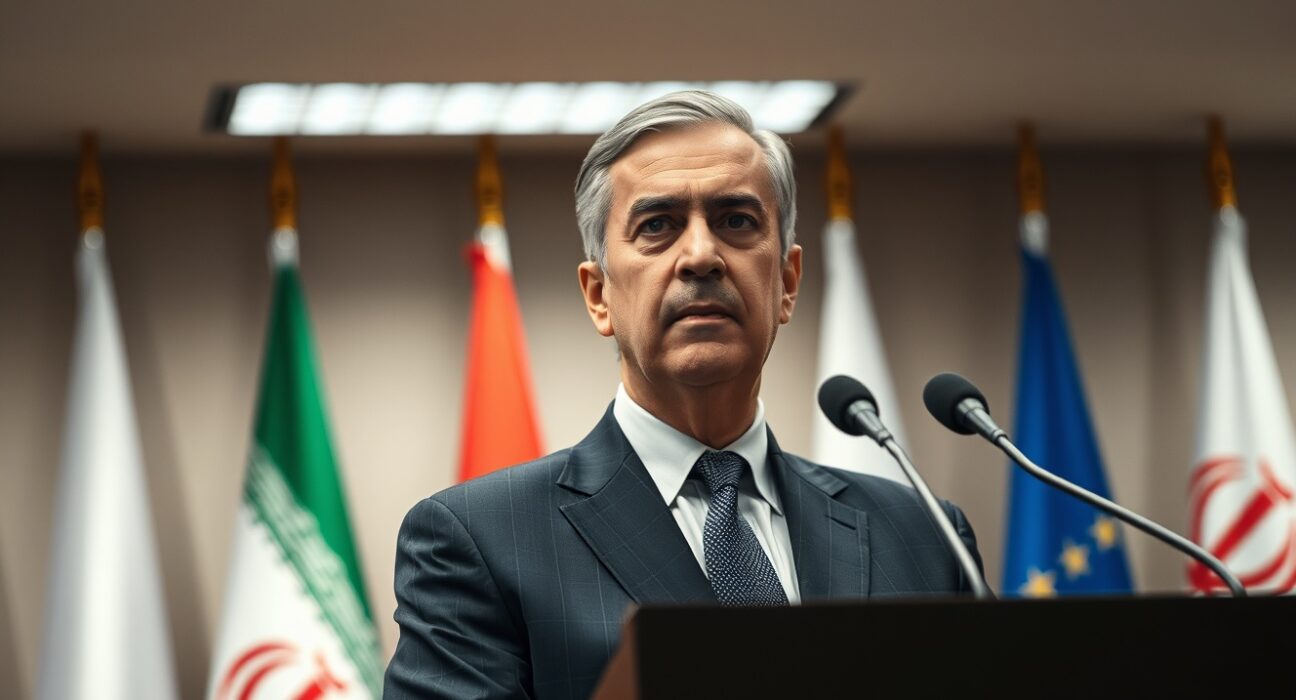
TEHRAN, Iran – In a significant development that could reshape regional diplomacy, Iran has firmly rejected any possibility of a ceasefire or negotiations with parties it accuses of violating existing agreements. The country’s state-run Fars news agency reported this definitive position on Tuesday, citing informed sources within the Iranian government. This announcement comes amid escalating tensions in the Middle East and represents a hardening of Iran’s diplomatic posture. Consequently, analysts are now reassessing potential pathways to de-escalation in the region.
Iran Rejects Ceasefire: The Official Position
According to the Fars news agency report, Iranian officials have completely ruled out ceasefire discussions. The agency specifically stated that negotiations remain impossible under current circumstances. This position stems from what Iran characterizes as repeated violations of previous agreements by opposing parties. Furthermore, the rejection appears comprehensive, leaving little room for immediate diplomatic maneuvering. The announcement follows weeks of increased military activity and diplomatic posturing across the region. Therefore, this development signals a potentially prolonged period of instability.
Historical context reveals this isn’t Iran’s first rejection of ceasefire talks. The country has maintained similar positions during previous regional conflicts. However, current geopolitical dynamics make this announcement particularly significant. Regional powers have been engaged in complex proxy conflicts for years. Additionally, international efforts to mediate these conflicts have faced numerous obstacles. The Iranian statement explicitly references “violations of existing agreements” as the primary reason for its stance. This suggests specific incidents have triggered the current hardline position.
Regional Implications and Security Concerns
The rejection carries immediate implications for Middle Eastern security. Neighboring countries have expressed concern about potential escalation. Regional stability now faces increased uncertainty. Military analysts note several conflict zones could see intensified activity. Moreover, diplomatic channels appear significantly constrained by Iran’s position. International organizations have called for restraint from all parties. The United Nations has previously attempted to facilitate dialogue between regional actors. However, Iran’s current stance complicates these multilateral efforts.
Key regional players have responded cautiously to the announcement. Some governments have emphasized the importance of continued diplomatic engagement. Others have reinforced their military preparedness. The following table outlines recent regional diplomatic movements:
| Country | Recent Diplomatic Position | Military Posture |
|---|---|---|
| Saudi Arabia | Calls for dialogue | Enhanced border security |
| Israel | Monitoring developments | Maintained alert status |
| United Arab Emirates | Support for regional stability | Normal defensive posture |
| Turkey | Offers mediation | Routine military operations |
Economic factors also influence the regional response. Energy markets have shown sensitivity to Middle Eastern tensions. Oil prices typically fluctuate based on security developments. Additionally, shipping routes through critical waterways require protection. Global trade depends on stable transit through the region. Therefore, economic considerations add complexity to the diplomatic landscape.
Expert Analysis: Historical Patterns and Future Scenarios
Middle East scholars identify historical patterns in Iran’s diplomatic approach. The country has frequently employed hardline rhetoric during negotiations. However, experts note this doesn’t always preclude eventual dialogue. Strategic positioning often involves public rejection followed by private discussions. Consequently, analysts caution against interpreting the announcement as absolute. Regional conflict resolution typically follows complex, non-linear paths. Previous agreements have emerged from seemingly intractable positions.
Security experts highlight several potential scenarios:
- Contained escalation: Limited military exchanges without major conflict
- Proxy intensification: Increased support for allied groups in conflict zones
- Diplomatic breakthrough: Backchannel negotiations leading to new frameworks
- Regional confrontation: Direct military engagement between state actors
International law provides frameworks for conflict resolution. The United Nations Charter outlines peaceful settlement procedures. Regional organizations like the Arab League offer mediation mechanisms. However, implementation depends on political will from all parties. Historical precedents suggest multilateral pressure can influence diplomatic calculations. Therefore, international engagement remains crucial despite current obstacles.
Domestic Factors Influencing Iran’s Position
Internal dynamics within Iran contribute to the government’s stance. Domestic political considerations often shape foreign policy decisions. The Iranian leadership faces multiple pressures including:
- Economic challenges from international sanctions
- Public expectations regarding national sovereignty
- Military establishment preferences
- Religious and ideological considerations
Recent domestic developments may influence Tehran’s calculus. Economic conditions affect resource allocation for diplomatic and military initiatives. Public opinion shapes the government’s room for maneuver. Additionally, institutional politics within Iran’s complex governance structure play a role. The Revolutionary Guards Corps maintains significant influence over security policy. Meanwhile, diplomatic professionals often pursue different approaches. These internal dynamics create competing pressures on decision-makers.
Media analysis reveals careful messaging around the ceasefire rejection. Iranian state media emphasizes national resilience and principled positions. This narrative aligns with longstanding revolutionary rhetoric. However, some analysts detect subtle differences in tone across media outlets. These variations may indicate ongoing policy debates within the establishment. Consequently, external observers monitor Iranian media for signals about potential flexibility.
International Response and Diplomatic Channels
Global powers have begun responding to Iran’s announcement. The United States has reiterated support for diplomatic solutions. European nations have called for de-escalation and dialogue. Russia and China have emphasized regional sovereignty and non-interference. These positions reflect broader geopolitical alignments. International diplomacy now faces significant challenges. However, multiple channels remain available for communication.
Several factors could influence future developments:
- Third-party mediation efforts by neutral countries
- Economic incentives or pressures from trading partners
- Security assurances from major powers
- Multilateral frameworks through international organizations
The coming weeks will test diplomatic creativity and political will. Previous regional conflicts have eventually moved toward negotiation despite initial rejections. However, current tensions involve multiple overlapping disputes. This complexity requires sophisticated diplomatic approaches. International actors must coordinate their responses carefully. Otherwise, conflicting initiatives could undermine potential progress.
Conclusion
Iran’s rejection of ceasefire negotiations represents a significant diplomatic development. The position reflects both principle and strategic calculation. Regional stability now faces increased uncertainty. However, historical patterns suggest diplomatic solutions may eventually emerge. The international community must balance pressure with engagement. Furthermore, all parties should consider the human cost of prolonged conflict. Ultimately, sustainable peace requires addressing underlying grievances. The Iranian ceasefire rejection therefore highlights the urgent need for creative diplomacy and conflict resolution mechanisms.
FAQs
Q1: What exactly did Iran announce regarding ceasefire negotiations?
Iran’s state-run Fars news agency reported that the country will not accept a ceasefire or engage in negotiations with parties it accuses of violating existing agreements, stating such discussions are impossible under current circumstances.
Q2: Which parties does Iran accuse of violating agreements?
While the Fars report didn’t specify names, regional analysts generally interpret this as referring to nations and groups involved in ongoing Middle Eastern conflicts where previous understandings have broken down.
Q3: How have other countries responded to Iran’s position?
Regional neighbors and global powers have generally called for continued diplomatic engagement and de-escalation, though responses vary based on individual national interests and existing relationships with Iran.
Q4: Does this mean military conflict is inevitable?
Not necessarily. Diplomatic rejections often represent negotiating positions rather than absolute statements, and history shows that conflicts frequently move toward negotiation despite initial hardline positions.
Q5: What are the main obstacles to resuming negotiations?
Primary obstacles include mutual distrust, differing interpretations of previous agreements, domestic political pressures within involved nations, and complex regional alliance structures that complicate bilateral solutions.
Disclaimer: The information provided is not trading advice, Bitcoinworld.co.in holds no liability for any investments made based on the information provided on this page. We strongly recommend independent research and/or consultation with a qualified professional before making any investment decisions.