

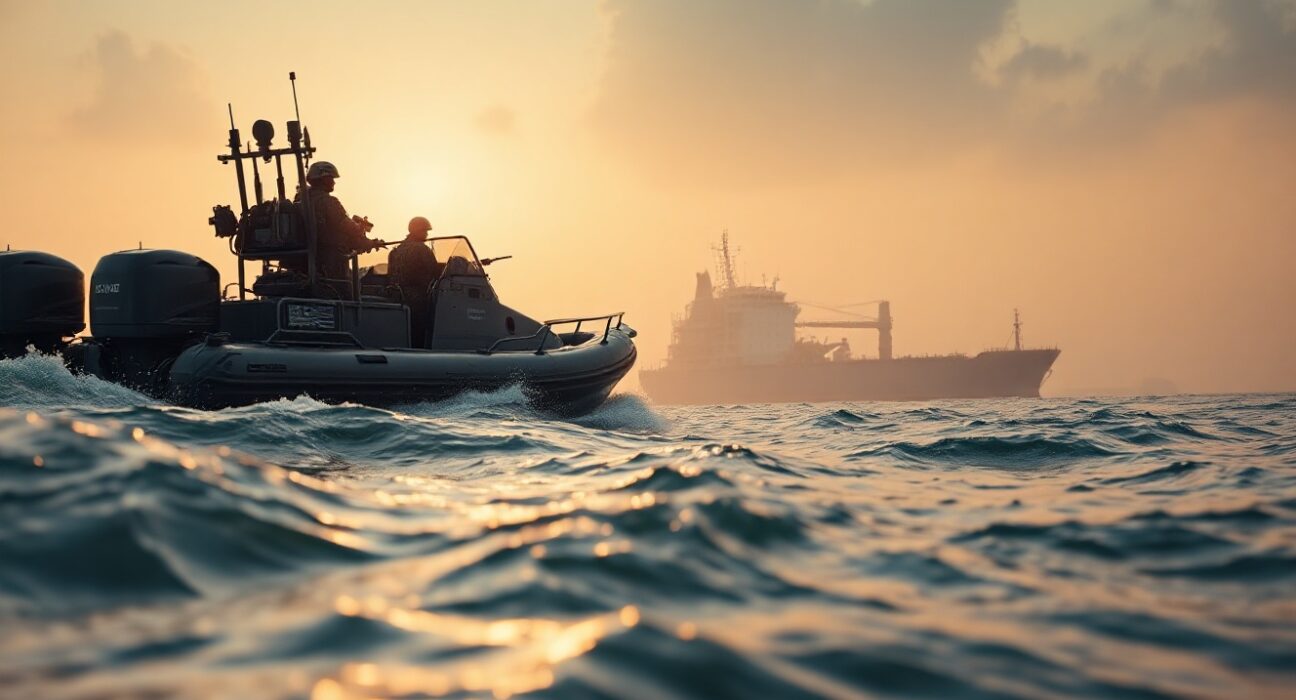
Iran’s Islamic Revolutionary Guard Corps (IRGC) has issued a stark warning, threatening a ‘destructive’ response to what it describes as reckless actions and interference with navigation routes by the U.S. military in the Persian Gulf. The statement, carried by state media on Wednesday, signals a sharp escalation in rhetoric between the two nations and raises fresh concerns about the security of the Strait of Hormuz, a critical chokepoint for global oil supplies.
Details of the IRGC Warning
The IRGC’s statement specifically condemned recent U.S. military maneuvers and patrols in the region, characterizing them as provocative and a violation of international norms. The Guard warned that such behavior ‘would seriously disrupt any process of gradual opening and jeopardize the interests of nations using the Strait of Hormuz.’ This language suggests Tehran views U.S. presence as a direct threat to its strategic and economic interests, particularly its ability to control access to the waterway through which about 20% of the world’s oil passes.
Strategic and Economic Implications
The Strait of Hormuz, a narrow 21-mile-wide channel between Iran and Oman, is the world’s most important oil transit chokepoint. Any disruption there could send global energy prices soaring and trigger a major international crisis. The IRGC has a history of harassing commercial vessels and has previously threatened to close the strait in response to sanctions or military pressure. This latest warning comes amid heightened tensions following stalled nuclear negotiations and increased U.S. sanctions enforcement.
What This Means for Global Markets and Regional Stability
While the IRGC’s statement does not indicate an immediate military action, it serves as a clear deterrent message. Analysts suggest the warning is partly aimed at reassuring domestic hardliners and signaling to the U.S. that any perceived encroachment will be met with force. For the international community, the threat underscores the fragility of maritime security in the Gulf. Oil markets, already sensitive to supply disruptions, are likely to price in a higher risk premium, potentially affecting fuel costs for consumers worldwide.
Conclusion
The IRGC’s threat of a ‘destructive’ response adds a volatile new dimension to U.S.-Iran relations. While direct confrontation remains unlikely in the immediate term, the risk of miscalculation in the confined waters of the Strait of Hormuz is dangerously high. The coming days will be critical in determining whether diplomatic channels can de-escalate the situation or if the region edges closer to a direct military standoff.
FAQs
Q1: What is the Strait of Hormuz and why is it important?
The Strait of Hormuz is a narrow waterway connecting the Persian Gulf to the Gulf of Oman. It is the world’s most critical oil chokepoint, with roughly 20 million barrels of oil (about 20% of global consumption) passing through it daily. Any disruption here can directly impact global oil prices and energy security.
Q2: Has Iran threatened to close the Strait of Hormuz before?
Yes. Iran has periodically threatened to close or disrupt traffic through the strait, particularly during periods of heightened tension with the U.S. or when facing severe economic sanctions. However, it has never fully implemented a blockade, as doing so would be an act of war and invite a massive international response.
Q3: How has the U.S. responded to the IRGC’s latest warning?
As of this report, the U.S. military and State Department have not issued an official response to the specific IRGC statement. However, the U.S. Navy’s Fifth Fleet, based in Bahrain, continues regular patrols in the region and has stated it remains committed to ensuring freedom of navigation in international waters.
Disclaimer: The information provided is not trading advice, Bitcoinworld.co.in holds no liability for any investments made based on the information provided on this page. We strongly recommend independent research and/or consultation with a qualified professional before making any investment decisions.
