

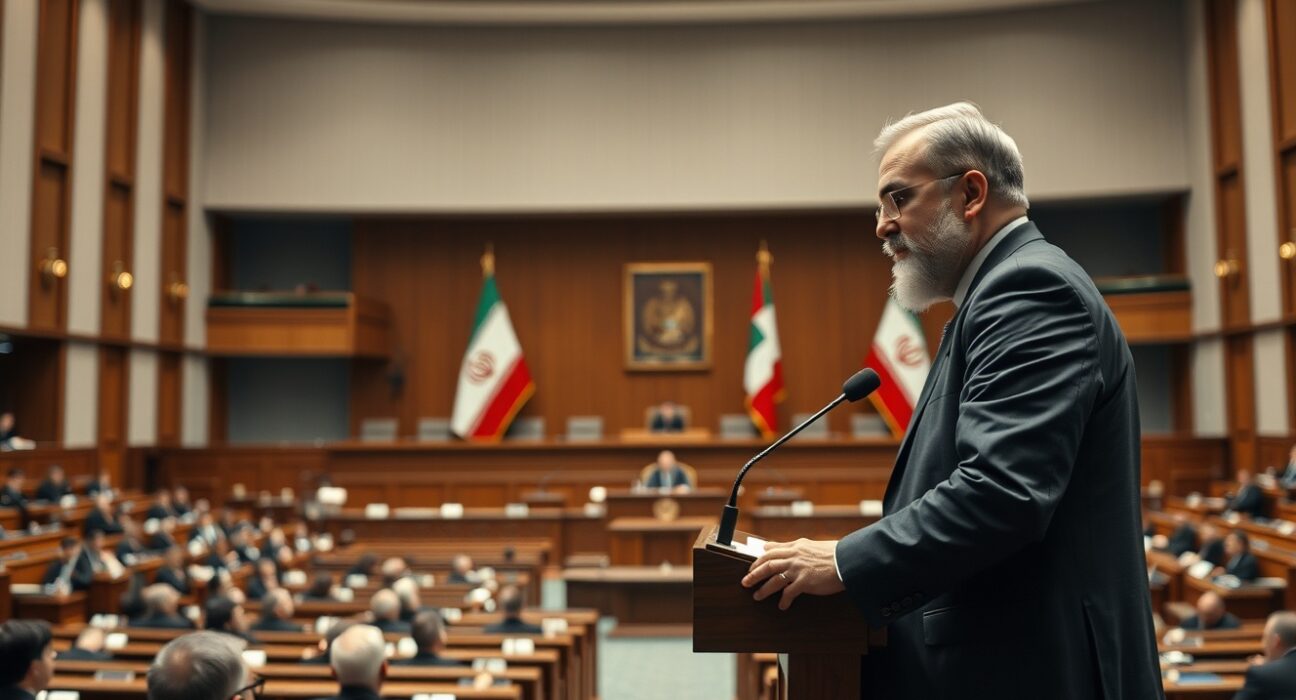
Iranian Parliament Speaker Mohammad Bagher Ghalibaf declared on May 12 that there is no viable alternative to accepting the rights of the Iranian people as outlined in the country’s recently submitted 14-point proposal. In a statement posted on social media, Ghalibaf warned that any deviation from this framework would only repeat past failures, and he cautioned that prolonged delays would increase the financial burden on American taxpayers.
Background of the 14-Point Proposal
The proposal, first reported by Iran’s Tasnim News Agency on May 2, was delivered to the United States through diplomatic channels via Pakistan. The 14-point plan is centered on ending hostilities and addresses a broad range of Iranian demands. Key provisions include guarantees against future military aggression, the withdrawal of U.S. forces from regions near Iran, the lifting of a naval blockade, the release of frozen Iranian assets, payment of reparations for damages, the lifting of all sanctions, the realization of peace across all fronts including Lebanon, and the establishment of a new management system for the Strait of Hormuz.
U.S. Response and Stalled Negotiations
U.S. President Donald Trump acknowledged receipt of the proposal on the same day, stating that his administration would review it. However, he expressed skepticism, commenting that he could not imagine the terms would be acceptable. This exchange underscores the deep mistrust and wide gap between the two nations, which have been locked in a cycle of sanctions, military posturing, and diplomatic deadlock for years.
Why This Matters for Regional Stability
The proposal’s emphasis on the Strait of Hormuz is particularly significant. As a critical chokepoint for global oil shipments, any change in its management could have immediate repercussions on energy markets and international trade. The demand for a new management system suggests Iran seeks to formalize its influence over this strategic waterway, a move that would likely face strong opposition from the U.S. and its Gulf allies. Additionally, the inclusion of Lebanon in the peace demands indicates Iran’s broader regional strategy, linking the fate of Hezbollah and other allied groups to any comprehensive agreement.
Implications for U.S. Taxpayers and Future Diplomacy
Ghalibaf’s pointed reference to the U.S. taxpayer burden is a deliberate rhetorical shift, framing the ongoing tensions as a costly and unnecessary expense for Americans. This appeal to economic pragmatism may be aimed at influencing public opinion in the U.S., where war fatigue and concerns over federal spending are persistent issues. For now, the ball remains in Washington’s court, but the Iranian speaker’s firm stance suggests that Tehran is unwilling to engage in open-ended negotiations or make unilateral concessions.
Conclusion
The 14-point proposal represents a comprehensive and maximalist negotiating position from Iran. While it provides a clear framework for ending hostilities, its sweeping demands make a quick or easy agreement unlikely. The coming weeks will reveal whether diplomatic backchannels can bridge the gap or if the region remains on a path of continued confrontation.
FAQs
Q1: What is the 14-point proposal?
A: It is a formal diplomatic document submitted by Iran to the United States, outlining key demands for ending hostilities, including sanctions relief, security guarantees, and a new management system for the Strait of Hormuz.
Q2: Why did Ghalibaf say there is no alternative?
A: He argued that past approaches have failed to secure Iranian rights and that the 14-point proposal represents a comprehensive and final framework for negotiations. He also warned that delays would cost U.S. taxpayers more.
Q3: How did the U.S. respond?
A: President Trump said he would review the proposal but expressed doubt that its terms would be acceptable, signaling continued skepticism and a likely stalemate in the near term.
Disclaimer: The information provided is not trading advice, Bitcoinworld.co.in holds no liability for any investments made based on the information provided on this page. We strongly recommend independent research and/or consultation with a qualified professional before making any investment decisions.
