
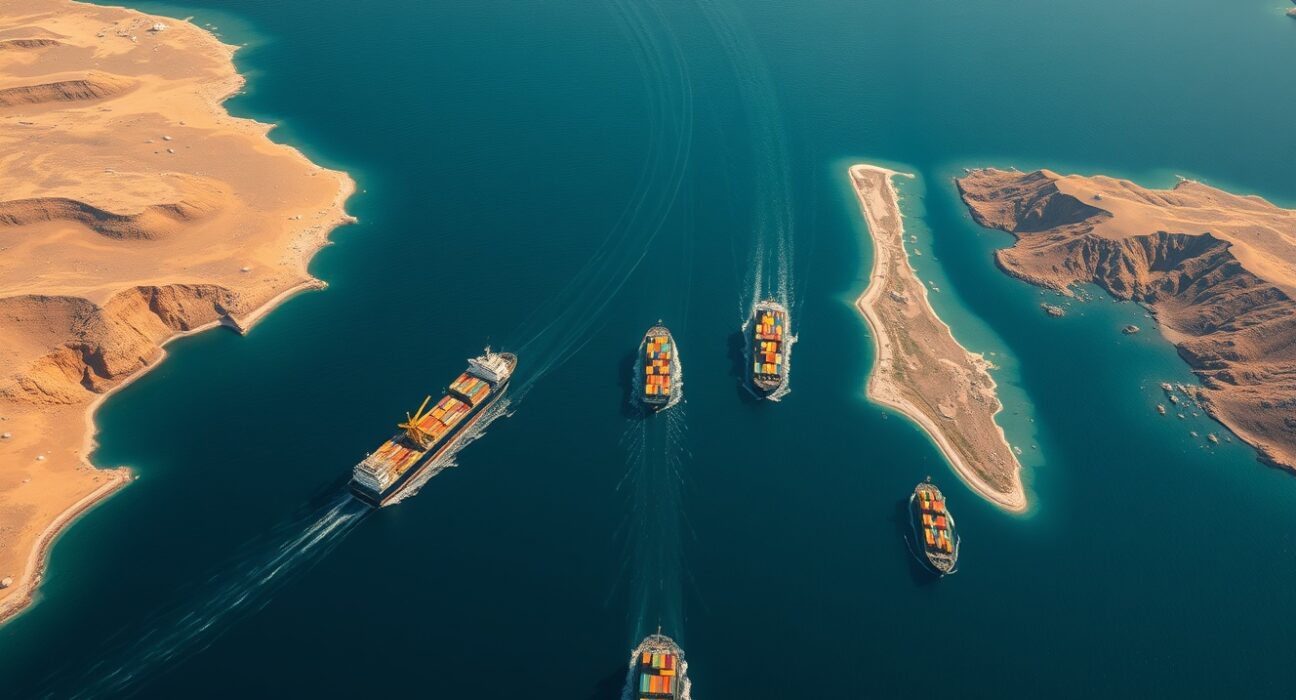
TEHRAN, Iran – April 5, 2025 – The Iranian parliament has initiated a significant legislative review concerning its jurisdiction over the Strait of Hormuz, a vital global oil transit chokepoint. This move directly addresses legal, environmental, and security frameworks for the waterway. Consequently, lawmakers agreed to establish a dedicated committee. This committee will draft a comprehensive national plan and corresponding legal documents. The decision follows earlier actions by the parliament’s National Security Committee. Ultimately, these developments could reshape maritime governance in one of the world’s most sensitive regions.
Strait of Hormuz Jurisdiction Bills Under Parliamentary Review
On April 5, Iran’s parliament, known as the Majlis, convened to examine several proposed bills. These bills specifically focus on Iran’s legal authority within the Strait of Hormuz. According to the state-run IRNA news agency, discussions covered multiple critical dimensions. Parliamentarians debated legal precedents, environmental protection mandates, security protocols, and economic implications. Following extensive debate, the legislative body reached a consensus. They voted to form a special parliamentary committee. This committee possesses a clear mandate: to prepare a holistic strategy and draft binding legal instruments. These documents will formally outline Iran’s approach to exercising jurisdiction.
This parliamentary session did not occur in isolation. It represents the next phase in a structured legislative process. The session builds directly upon a plan approved by the parliament’s National Security Committee on March 30. That earlier committee plan established foundational principles. It proposed a central control role for the Iranian military within the strait. Furthermore, it outlined potential prohibitions. The plan suggests banning passage for vessels from specific nations. These nations include the United States, Israel, and any country imposing unilateral sanctions on Iran.
Strategic Implications of Proposed Maritime Controls
The proposed legislation carries profound implications for global energy markets and regional stability. The Strait of Hormuz is arguably the world’s most important oil transit corridor. Approximately 21 million barrels of oil pass through it daily. This volume represents about one-fifth of global petroleum consumption. Therefore, any change in its governance attracts immediate international attention. The proposed Iranian measures include several key operational components.
- Navigational Safety: Enhanced protocols for ship routing and traffic management.
- Environmental Protection: Stricter regulations to prevent oil spills and marine pollution.
- Financial and Customs Systems: New frameworks for tolls, fees, and cargo inspection.
- Legal Cooperation with Oman: Provisions for bilateral coordination with Oman, which shares territorial waters.
Analysts note that the call for cooperation with Oman is particularly significant. Oman controls the southern shoreline of the strait. Effective management inherently requires diplomatic coordination. Historical precedent shows that unilateral actions in shared waterways often lead to increased tensions. The proposed legislation acknowledges this reality by including bilateral provisions.
Historical Context and Legal Frameworks
Understanding Iran’s legislative move requires examining the strait’s legal status. The Strait of Hormuz is governed by the United Nations Convention on the Law of the Sea (UNCLOS). This treaty recognizes transit passage rights through international straits. Vessels and aircraft enjoy the right of continuous and expeditious transit. Coastal states can adopt laws and regulations relating to transit. However, these laws must not hamper, deny, or impair the right of transit passage. Iran is not a signatory to UNCLOS. Nevertheless, it generally observes its customary international law principles. The new Iranian bills will test the boundaries of these accepted norms.
The timeline of recent events provides crucial context. In early March, Iran’s Revolutionary Guard Corps conducted naval exercises near the strait. These drills showcased new asymmetric warfare capabilities. Subsequently, the National Security Committee drafted its initial plan. The April 5 parliamentary review represents the next logical step. It transitions the discussion from a security committee proposal to full parliamentary deliberation. The newly formed drafting committee will now work to synthesize these elements into formal law.
Economic and Global Shipping Reactions
The global shipping industry monitors these developments with acute concern. Major shipping associations and insurance underwriters assess risk daily. Any perception of increased hazard in the Strait of Hormuz triggers immediate financial consequences. War risk insurance premiums can spike dramatically. Furthermore, shipping companies may reroute vessels. Alternative routes, however, are longer and more expensive. For instance, circumnavigating the Arabian Peninsula adds significant time and fuel costs.
| Metric | Data |
|---|---|
| Daily Oil Flow | ~21 million barrels |
| Width at Narrowest Point | 21 nautical miles |
| Iran’s Shoreline Length | Approx. 1,000 miles |
| Global Oil Trade Share | ~20-21% |
| Primary Exporters Using Strait | Saudi Arabia, UAE, Iraq, Kuwait, Iran |
Regional economies, especially those of Gulf Cooperation Council (GCC) states, depend on unimpeded access. Countries like Saudi Arabia and the United Arab Emirates export nearly all their crude oil via this route. Consequently, they maintain a vested interest in stable transit rules. The proposed Iranian legislation introducing potential bans creates palpable uncertainty. Market analysts suggest that prolonged uncertainty could influence global oil prices. It may also accelerate investments in pipeline infrastructure bypassing the strait.
Security Dimensions and Military Posture
The security aspect of the proposed jurisdiction is paramount. The March 30 committee plan explicitly assigns a control role to the Iranian military. This likely involves the Islamic Revolutionary Guard Corps Navy (IRGCN). The IRGCN specializes in asymmetric naval warfare in shallow waters. Its fleet includes fast attack craft, missile boats, and mining capabilities. Assigning it a formal control role signals a potential hardening of Iran’s maritime enforcement posture.
International naval forces, primarily the United States Fifth Fleet based in Bahrain, patrol the area routinely. Their mission includes ensuring freedom of navigation. A change in Iran’s declared jurisdiction could lead to more frequent naval interactions. Such interactions carry an inherent risk of miscalculation. Historical incidents, like the 2019 tanker seizures and the 2020 capture of a South Korean vessel, demonstrate this volatility. The new legislative framework seeks to provide a legal basis for such actions in the future.
Conclusion
The Iranian parliament’s review of bills on Strait of Hormuz jurisdiction marks a pivotal moment in regional maritime policy. The decision to form a dedicated drafting committee indicates a serious, structured approach. This legislative process aims to consolidate Iran’s legal, security, and environmental authority over the strategic waterway. The outcomes will reverberate through global energy markets, international law, and regional security dynamics. As the committee begins its work, the international community will watch closely. The final shape of Iran’s Strait of Hormuz jurisdiction will undoubtedly influence geopolitics and global trade for years to come.
FAQs
Q1: What is the Strait of Hormuz and why is it important?
The Strait of Hormuz is a narrow sea passage between the Gulf of Oman and the Persian Gulf. It is the world’s most important oil transit chokepoint, with about 21 million barrels of oil passing through daily, accounting for roughly one-fifth of global petroleum consumption.
Q2: What specific measures did the Iranian parliament agree to on April 5?
The Iranian parliament agreed to form a dedicated committee tasked with drafting a comprehensive national plan and legal documents to formalize Iran’s jurisdiction over the Strait of Hormuz, covering legal, security, environmental, and economic aspects.
Q3: Which countries’ ships could be banned under the proposed plan?
The initial plan passed by Iran’s National Security Committee proposes banning passage for ships from the United States, Israel, and any country that imposes unilateral sanctions on Iran.
Q4: How does Oman factor into Iran’s proposed jurisdiction plans?
Oman shares territorial waters in the Strait of Hormuz, controlling the southern shoreline. The proposed Iranian legislation includes provisions for legal cooperation with Oman, acknowledging that effective management requires bilateral coordination.
Q5: What are the potential global impacts of changes to Strait of Hormuz governance?
Changes could lead to increased shipping insurance costs, potential rerouting of vessels, volatility in global oil prices, heightened naval tensions, and accelerated investment in alternative oil transport routes like pipelines.
Disclaimer: The information provided is not trading advice, Bitcoinworld.co.in holds no liability for any investments made based on the information provided on this page. We strongly recommend independent research and/or consultation with a qualified professional before making any investment decisions.