
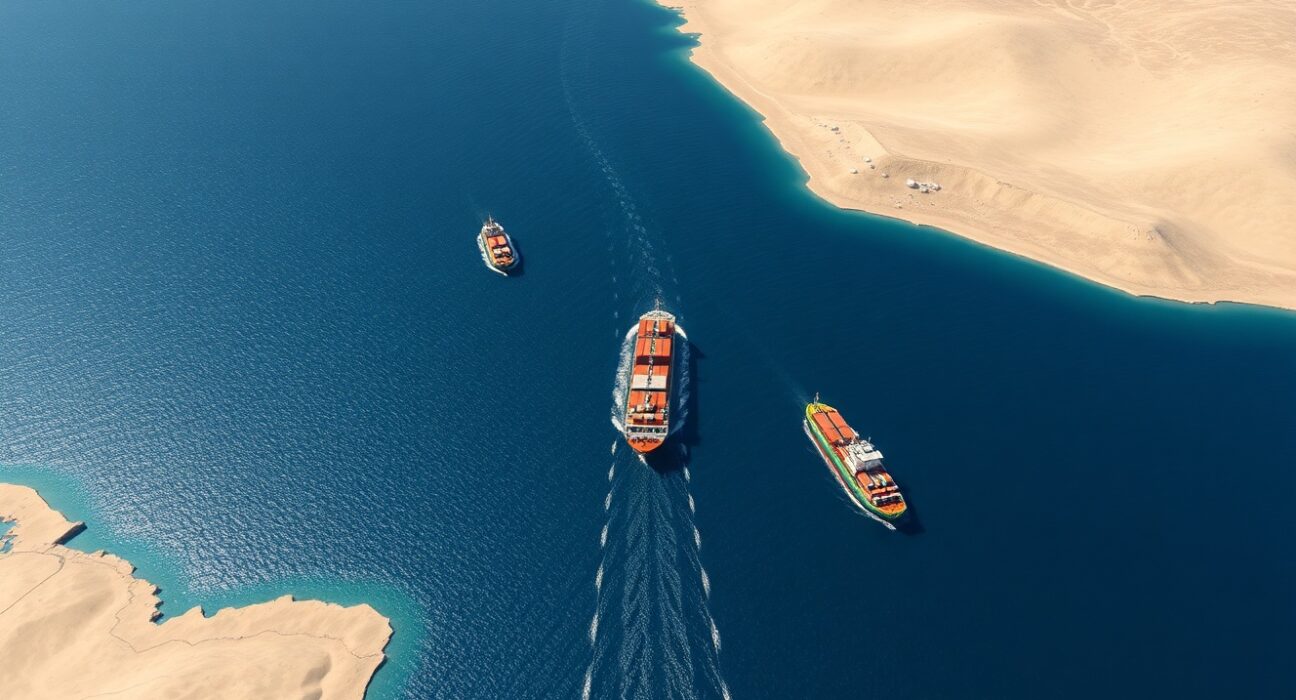
TEHRAN, Iran – April 7, 2025 – Iranian officials have confirmed the development of a comprehensive security framework specifically for the Strait of Hormuz and the broader Persian Gulf region. This announcement represents a significant strategic declaration about the future of the world’s most critical oil transit chokepoint. Ebrahim Rezaei, the spokesman for Iran’s Parliament National Security and Foreign Policy Committee, delivered this statement during a televised interview. He explicitly stated that the strategic waterway “will not return to its previous state,” indicating a permanent shift in Iran’s maritime security posture.
Strait of Hormuz Security Plan Details Emerge
Iranian authorities are currently drafting both a detailed operational plan and corresponding legislation. This dual approach suggests a move toward formalizing Iran’s security role in the region. The plan aims to address multiple dimensions of maritime security. These dimensions include navigation safety, environmental protection, and regional stability. Furthermore, the legislation component indicates Iran’s intent to create a legal basis for its actions within the waterway. This development follows years of regional tensions and incidents involving commercial shipping.
The Strait of Hormuz serves as a vital artery for global energy markets. Approximately 21 million barrels of oil pass through this narrow channel daily. This volume represents about one-fifth of the world’s total petroleum consumption. The waterway connects the Persian Gulf with the Gulf of Oman and the Arabian Sea. At its narrowest point, the strait measures only 21 nautical miles wide. The shipping lanes within this confined space are just two miles wide in each direction. This geographical reality creates inherent vulnerabilities for global shipping.
Historical Context of Persian Gulf Tensions
The Persian Gulf region has experienced persistent security challenges for decades. Recent years have witnessed several notable incidents affecting commercial vessels. These incidents include tanker seizures, suspected attacks, and heightened naval posturing. Consequently, shipping insurance premiums for vessels transiting the area have increased substantially. Major global powers maintain naval presences in the region to protect freedom of navigation. The United States Fifth Fleet operates from Bahrain. Similarly, European nations participate in various maritime security initiatives.
Iran’s geographical position gives it considerable influence over the strait. The Iranian coastline borders the entire northern side of the waterway. Additionally, Iran controls several strategic islands within the Persian Gulf. These islands include Abu Musa and the Greater and Lesser Tunbs. Control of these territories provides Iran with significant monitoring and potential interdiction capabilities. Regional analysts have long identified the Strait of Hormuz as a potential flashpoint during international crises.
Expert Analysis of Iran’s Strategic Calculations
Maritime security experts point to several factors driving Iran’s announcement. First, Iran seeks to assert its regional sovereignty and security responsibilities. Second, the plan represents a strategic messaging tool to regional and international actors. Third, developing domestic legislation allows Iran to frame its actions within an internal legal framework. Dr. Anahita Sharma, a Persian Gulf security specialist at the Maritime Policy Institute, explains the broader context. “Iran’s move reflects a calculated effort to institutionalize its security role,” she notes. “By creating formal plans and laws, Iran aims to establish predictable parameters for its maritime activities.”
Regional reactions to Iran’s announcement will likely vary significantly. Gulf Cooperation Council (GCC) members, particularly Saudi Arabia and the United Arab Emirates, have historically expressed concerns about Iranian influence. These nations have invested heavily in alternative oil export routes to reduce Hormuz dependence. The UAE completed the Habshan-Fujairah pipeline in 2012. This pipeline bypasses the Strait of Hormuz entirely. Similarly, Saudi Arabia has expanded its Petroline pipeline to the Red Sea. These infrastructure projects provide strategic alternatives during regional disruptions.
Global Economic Implications of Hormuz Security
The security of the Strait of Hormuz directly impacts global energy markets and economic stability. Any significant disruption to shipping through this corridor would have immediate consequences. Oil prices would likely experience substantial volatility. Furthermore, global supply chains dependent on Middle Eastern petroleum would face immediate pressure. The international community maintains a strong interest in keeping the strait open and secure. This interest creates complex diplomatic dynamics around Iran’s announced security plan.
International maritime law provides the legal framework for transit through strategic straits. The United Nations Convention on the Law of the Sea (UNCLOS) establishes the regime of transit passage. This regime allows vessels and aircraft freedom of navigation and overflight through international straits. Coastal states like Iran have specific rights and responsibilities under this framework. They may adopt laws and regulations relating to transit passage concerning specific matters. These matters include safety of navigation, pollution prevention, and fishing regulations. However, such regulations cannot discriminate among foreign vessels or have the practical effect of denying transit passage.
Comparative Analysis of Global Chokepoints
The Strait of Hormuz represents one of several critical global maritime chokepoints. Understanding its relative importance requires comparison with other vital passages.
| Strategic Chokepoint | Daily Oil Flow (Barrels) | Alternative Routes | Primary Controlling States |
|---|---|---|---|
| Strait of Hormuz | 21 million | Limited pipeline capacity | Iran, Oman |
| Strait of Malacca | 16 million | Longer routes around Indonesia | Indonesia, Malaysia, Singapore |
| Suez Canal | 5.5 million | Route around Africa | Egypt |
| Bab el-Mandeb | 4.8 million | Limited alternatives | Djibouti, Yemen |
This comparative data highlights the unparalleled importance of the Strait of Hormuz to global energy security. The limited availability of practical alternatives increases the strategic significance of Iran’s security planning. Regional stability in the Persian Gulf therefore remains a paramount concern for energy-importing nations worldwide.
Technical and Operational Dimensions of Security Planning
Developing an effective security plan for the Strait of Hormuz involves numerous technical considerations. These considerations include surveillance systems, response protocols, and international coordination mechanisms. Iran has previously demonstrated various maritime capabilities during military exercises. These capabilities include:
- Advanced coastal defense missile systems
- Swarm tactics using fast attack craft
- Naval mining capabilities
- Anti-access/area denial (A2/AD) strategies
- Unmanned aerial and surface vessel operations
Integrating these capabilities into a coherent security framework presents both opportunities and challenges. The announced legislation will likely address jurisdictional questions. These questions involve Iran’s territorial waters, contiguous zone, and exclusive economic zone. Furthermore, the legislation may define protocols for interacting with foreign military vessels. Such definitions could either reduce or increase the potential for miscalculation during naval encounters.
Conclusion
Iran’s development of a formal security plan for the Strait of Hormuz marks a pivotal moment for Persian Gulf maritime security. The explicit statement that the strait “will not return to its previous state” signals a deliberate strategic shift. This development carries profound implications for global energy markets, regional stability, and international law of the sea. The coming months will reveal specific details of Iran’s proposed legislation and operational plans. Meanwhile, regional and international stakeholders will carefully monitor implementation. The ultimate test will be whether Iran’s approach enhances security and predictability or increases tensions in this vital global shipping corridor.
FAQs
Q1: What exactly did Iran announce regarding the Strait of Hormuz?
Iran’s parliamentary security committee spokesman announced that Iran is developing both a security plan and corresponding legislation specifically for the Strait of Hormuz and Persian Gulf, stating the strategic waterway will not return to its previous security status.
Q2: Why is the Strait of Hormuz so important globally?
The Strait of Hormuz is the world’s most important oil transit chokepoint, with approximately 21 million barrels of oil passing through daily, representing about 20% of global petroleum consumption and 30% of all seaborne traded oil.
Q3: What legal framework governs passage through the Strait of Hormuz?
The United Nations Convention on the Law of the Sea (UNCLOS) establishes the regime of “transit passage” for international straits like Hormuz, allowing vessels freedom of navigation while coastal states like Iran can regulate specific safety and environmental matters.
Q4: How have other regional countries prepared for potential Hormuz disruptions?
Gulf Cooperation Council members have invested in infrastructure to reduce dependence on the strait, including the UAE’s Habshan-Fujairah pipeline and Saudi Arabia’s expanded Petroline pipeline to the Red Sea, providing alternative export routes.
Q5: What might be included in Iran’s security plan for the Persian Gulf?
Based on Iran’s existing capabilities and statements, the plan likely addresses coastal defense systems, surveillance protocols, response procedures for maritime incidents, environmental protection measures, and coordination mechanisms with commercial shipping.
Disclaimer: The information provided is not trading advice, Bitcoinworld.co.in holds no liability for any investments made based on the information provided on this page. We strongly recommend independent research and/or consultation with a qualified professional before making any investment decisions.