
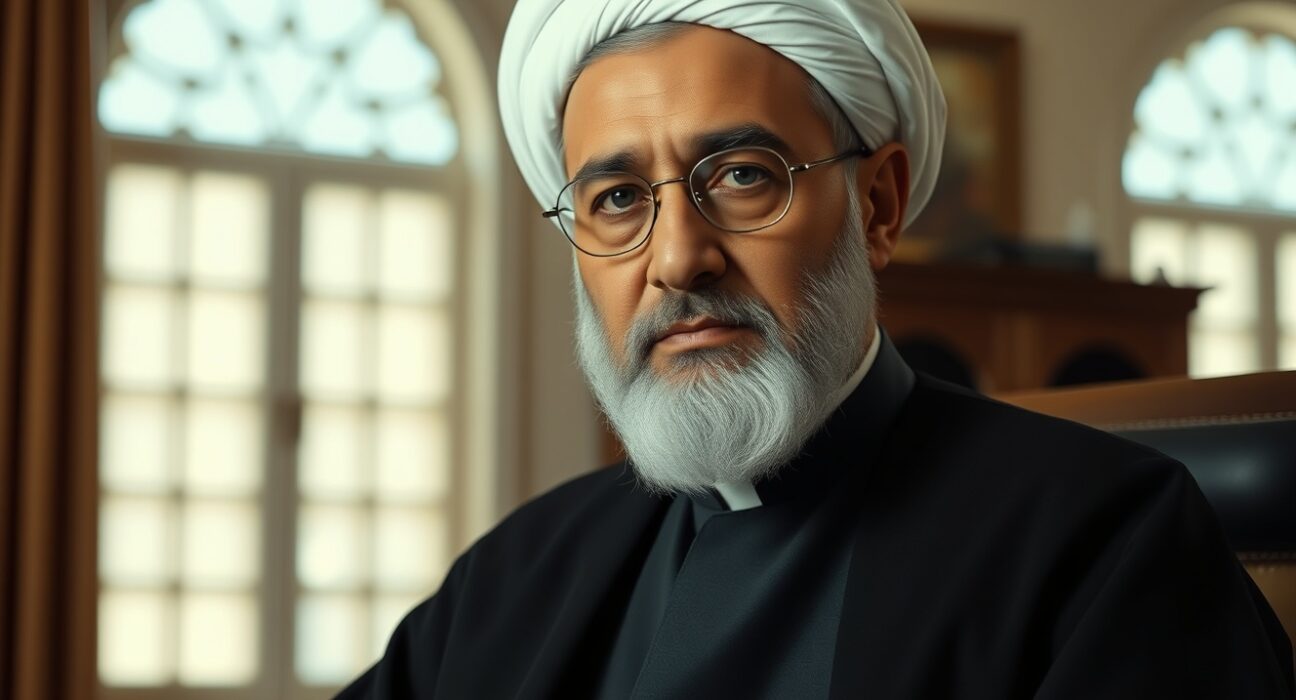
TEHRAN, Iran – March 2025: Iran’s newly appointed Supreme Leader, Mojtaba Khamenei, has declared his intention to maintain and potentially expand support for resistance movements opposing both Zionism and United States influence across the Middle East. This significant announcement comes during a critical period of regional realignment and establishes the ideological direction for Iran’s foreign policy under its new leadership. The statement carries substantial implications for international relations, regional stability, and ongoing conflicts involving Iranian-backed groups.
Iran’s Supreme Leader Outlines Foreign Policy Continuity
Mojtaba Khamenei, who assumed the position of Supreme Leader following a carefully managed succession process, made his first major foreign policy declaration during a meeting with senior military commanders in Tehran. Consequently, his remarks signal continuity with the policies of his predecessor while potentially introducing nuanced shifts in implementation. The new leader emphasized that supporting what he termed “resistance forces” remains a cornerstone of Iran’s regional strategy. Furthermore, he specifically identified opposition to Zionism – the movement supporting a Jewish homeland in Palestine – as a fundamental principle.
Historically, Iran has provided financial, military, and logistical support to several groups across the Middle East. These include:
- Hezbollah in Lebanon
- Hamas and Palestinian Islamic Jihad in Gaza
- Houthi rebels in Yemen
- Various Shiite militias in Iraq and Syria
Khamenei’s statement suggests these relationships will continue and possibly strengthen. Regional analysts note this declaration comes amid ongoing negotiations regarding Iran’s nuclear program and economic sanctions. Therefore, the timing appears strategically calculated to demonstrate ideological consistency despite potential diplomatic engagements.
Understanding the Geopolitical Context of Anti-Zionist Stance
Zionism represents a nationalist movement advocating for Jewish self-determination in what proponents consider their ancestral homeland. However, Iran’s leadership has consistently framed Zionism as a colonial project displacing Palestinian populations. This ideological opposition transcends mere political disagreement, forming a core component of Iran’s revolutionary identity since 1979. Khamenei’s reaffirmation of this position maintains continuity with decades of Iranian policy.
The regional landscape in 2025 features several ongoing conflicts where Iranian-backed groups play significant roles. For instance, the Israel-Hamas conflict continues to simmer with periodic escalations. Similarly, Hezbollah maintains substantial military capabilities along Israel’s northern border. Meanwhile, Houthi forces in Yemen continue maritime operations affecting international shipping lanes. Khamenei’s declaration provides these groups with renewed political backing from Tehran’s highest authority.
Expert Analysis of Leadership Transition Implications
Regional security experts emphasize that leadership transitions in Iran often involve both continuity and subtle evolution. Dr. Leila Rahman, a Middle East scholar at the Gulf Studies Institute, explains: “The Supreme Leader’s statement confirms the foundational principles remain unchanged. However, the implementation may evolve based on regional developments and domestic considerations.” She notes that Khamenei must balance ideological commitments with practical governance challenges, including economic pressures and domestic expectations.
International reactions have followed predictable patterns. Israeli officials condemned the statement as evidence of Iran’s hostile intentions. Conversely, Palestinian factions welcomed the continued support. United States representatives expressed concern about regional destabilization. European diplomats emphasized the importance of diplomatic channels despite ideological differences.
| Group | Primary Location | Type of Support | Estimated Annual Value |
|---|---|---|---|
| Hezbollah | Lebanon | Military training, missiles, funding | $700 million |
| Hamas | Gaza Strip | Financial aid, weapon technology | $100 million |
| Houthi Forces | Yemen | Drone technology, missile components | $50 million |
| Iraqi Militias | Iraq | Training, advisory support | $30 million |
Historical Evolution of Iran’s Resistance Axis Doctrine
Iran’s support for anti-Zionist and anti-US forces traces back to the 1979 Islamic Revolution. Initially, the policy focused primarily on opposing US influence following the hostage crisis. Subsequently, the doctrine expanded to include opposition to Israel after its 1982 invasion of Lebanon. Over decades, this strategy has created what analysts term the “Axis of Resistance” – a network of state and non-state actors sharing varying degrees of alignment with Iranian objectives.
The doctrine serves multiple strategic purposes for Iran. Primarily, it extends Iranian influence beyond its borders without conventional military confrontation. Additionally, it creates deterrence by positioning capable proxies near adversaries’ territories. Moreover, it reinforces Iran’s revolutionary identity domestically and within the Muslim world. Khamenei’s endorsement suggests this multidimensional strategy will persist as a central pillar of Iranian statecraft.
Regional dynamics have evolved significantly since the doctrine’s inception. The Arab Spring created new opportunities and challenges. The Syrian civil war demonstrated both the capabilities and limitations of proxy warfare. Normalization agreements between Israel and several Arab states altered regional alignments. Despite these changes, Iran’s commitment to its resistance network has remained remarkably consistent across different administrations and supreme leaders.
Potential Impacts on Regional Security and Diplomacy
Khamenei’s declaration arrives during delicate diplomatic moments. Nuclear negotiations continue intermittently between Iran and world powers. Regional de-escalation talks occur through various channels. Meanwhile, conflict persists in several theaters where Iranian-backed groups operate. Consequently, the statement influences multiple diplomatic tracks simultaneously.
Security implications are particularly significant for several nations. Israel faces continued threats from multiple directions. Saudi Arabia contends with Houthi capabilities in Yemen. United States forces in Iraq and Syria encounter Iranian-backed militias. Gulf states monitor developments affecting regional stability. All must now assess how Khamenei’s leadership might alter existing patterns of confrontation and cooperation.
Economic factors also play crucial roles. Iran faces substantial sanctions pressure affecting its ability to fund proxy groups. However, alternative financing methods have developed over years of restrictions. These include cryptocurrency transactions, informal banking networks, and resource smuggling. Khamenei’s government must navigate these practical constraints while maintaining ideological commitments.
Military and Strategic Considerations for 2025
Modern warfare technologies have transformed proxy conflicts in recent years. Drone warfare, precision missiles, and cyber capabilities now feature prominently in regional confrontations. Iranian-backed groups have demonstrated increasing sophistication in employing these technologies. Khamenei’s support suggests continued technological transfer and training programs. This evolution raises the stakes for regional conflict management and escalation control.
International law presents another dimension of complexity. United Nations resolutions address arms transfers to non-state actors. Various sanctions regimes target Iranian military entities. National laws in affected countries criminalize support to designated terrorist organizations. Khamenei’s declaration occurs within this intricate legal landscape, potentially triggering diplomatic and legal responses from multiple governments.
Conclusion
Iran’s Supreme Leader Mojtaba Khamenei has clearly signaled continuity in supporting anti-US and anti-Zionist forces across the Middle East. This policy maintains decades of Iranian strategic doctrine while adapting to contemporary geopolitical realities. The declaration carries significant implications for regional security, diplomatic efforts, and ongoing conflicts. As Khamenei establishes his leadership, regional actors must carefully monitor how ideological commitments translate into practical policies amid complex economic and diplomatic constraints. The Supreme Leader’s stance will undoubtedly shape Middle Eastern geopolitics throughout 2025 and beyond.
FAQs
Q1: Who is Mojtaba Khamenei and how did he become Supreme Leader?
Mojtaba Khamenei is the son of former Supreme Leader Ayatollah Ali Khamenei and was selected by Iran’s Assembly of Experts following his father’s passing. The succession process involved extensive deliberation among Iran’s religious and political establishment to ensure continuity.
Q2: What does Iran mean by “resistance forces”?
Iran uses this term to describe various non-state armed groups across the Middle East that oppose Israeli and American influence. These include Hezbollah in Lebanon, Hamas in Gaza, Houthi forces in Yemen, and various Shiite militias in Iraq and Syria.
Q3: How does Iran support these groups practically?
Support typically includes financial assistance, military training, weapon transfers, technological sharing (particularly drones and missiles), and political backing. The exact nature and scale vary by group and geopolitical circumstances.
Q4: What is Zionism according to Iranian leadership?
Iran’s leadership defines Zionism as a political movement advocating Jewish settlement in Palestine at the expense of Palestinian rights. They characterize it as a colonial project rather than a national liberation movement, framing their opposition in anti-colonial terms.
Q5: How might this policy affect nuclear negotiations?
Regional activities often complicate nuclear diplomacy. Western nations frequently cite Iranian regional behavior as justification for maintaining sanctions, while Iran views its regional policy as separate from nuclear discussions. Khamenei’s declaration may harden positions in ongoing negotiations.
Q6: What are the main regional reactions to this announcement?
Reactions follow established patterns: Israeli officials condemn it as evidence of hostile intentions, Palestinian factions welcome continued support, US representatives express concern about destabilization, and European diplomats emphasize maintaining diplomatic engagement despite differences.
Disclaimer: The information provided is not trading advice, Bitcoinworld.co.in holds no liability for any investments made based on the information provided on this page. We strongly recommend independent research and/or consultation with a qualified professional before making any investment decisions.