


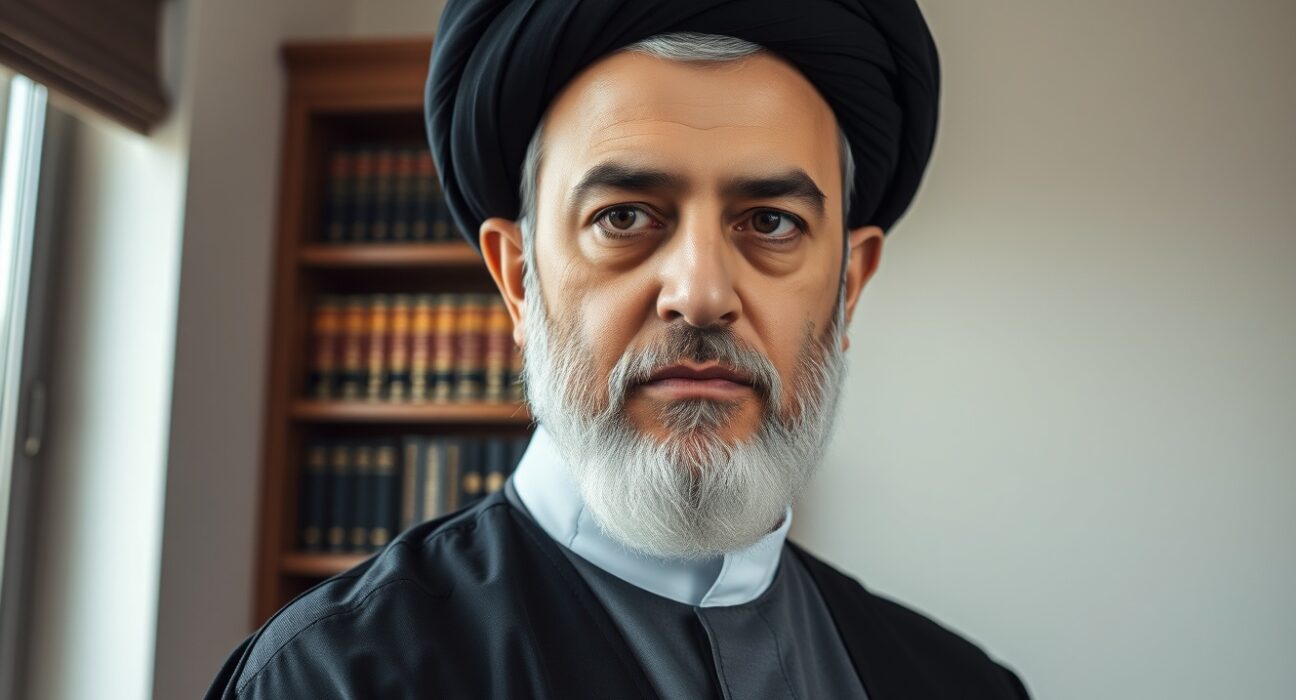
TEHRAN, Iran – In a dramatic escalation of regional tensions, Iran’s newly appointed Supreme Leader Mojtaba Khamenei has issued a stark warning targeting all United States military installations across the Middle East. During his first official statement since assuming leadership, Khamenei specifically demanded the immediate closure of American bases throughout the region. He simultaneously called for blocking the strategic Strait of Hormuz, through which approximately 20% of global oil shipments transit annually.
Iran’s New Leadership Takes Hardline Stance
Mojtaba Khamenei assumed Iran’s highest authority following the passing of his father, Ayatollah Ali Khamenei, who led the Islamic Republic for 35 years. Analysts immediately noted the younger Khamenei’s statement represents a significant departure in tone and substance. His remarks specifically targeted American military presence across multiple countries including Iraq, Syria, Kuwait, Bahrain, Qatar, and the United Arab Emirates. Furthermore, the new leader explicitly connected these demands to regional security dynamics. He argued American forces create instability rather than preventing it. Regional experts suggest this rhetoric aligns with Iran’s longstanding opposition to foreign military presence. However, the direct threat of attacks marks a notable escalation in language.
Strategic Implications of Hormuz Threat
The Strait of Hormuz represents one of the world’s most critical maritime chokepoints. This narrow waterway separates the Persian Gulf from the Gulf of Oman. Approximately 21 million barrels of oil pass through daily. Iran maintains substantial naval capabilities along its coastline. These include fast attack craft, anti-ship missiles, and naval mines. Historically, Iranian officials have periodically threatened Hormuz closure during tensions. However, actually implementing such a blockade would trigger immediate global economic consequences. Oil prices would likely spike dramatically. Additionally, shipping insurance costs would increase exponentially. Major energy consumers including China, India, Japan, and South Korea would face significant supply disruptions. The United States Fifth Fleet, based in Bahrain, maintains constant patrols in the area. Consequently, any attempt to close the strait would risk direct military confrontation.
Military Balance and Regional Deployments
The United States maintains approximately 45,000 troops across the Middle East. These forces operate from dozens of installations. Key facilities include Al Udeid Air Base in Qatar, Al Dhafra Air Base in UAE, and Ali Al Salem Air Base in Kuwait. The US Navy’s Fifth Fleet headquarters resides in Bahrain. Furthermore, American forces continue counter-ISIS operations in Iraq and Syria. Iran, meanwhile, has developed asymmetric capabilities specifically designed to counter US military advantages. These include:

- Drone swarms capable of overwhelming air defenses
- Precision ballistic missiles with ranges covering regional bases
- Proxy forces in Iraq, Syria, Yemen, and Lebanon
- Naval mining capabilities for strategic waterways
This military posture creates what analysts term a “denial bubble” around the Persian Gulf.
Historical Context of US-Iran Confrontation
US-Iran relations have remained strained since the 1979 Islamic Revolution. Tensions escalated significantly following the US withdrawal from the 2015 nuclear agreement. Subsequently, the Trump administration implemented maximum pressure sanctions. The Biden administration attempted indirect negotiations for a renewed agreement. However, these efforts stalled repeatedly. Meanwhile, periodic incidents have kept tensions high:
| Date | Incident | Location |
|---|---|---|
| June 2019 | Iran shoots down US drone | Strait of Hormuz |
| January 2020 | US kills Qasem Soleimani | Baghdad, Iraq |
| April 2024 | Iran attacks Israeli territory | Multiple locations |
These events demonstrate the persistent risk of miscalculation. Khamenei’s statement arrives amid ongoing proxy conflicts across the region. Iranian-backed groups continue targeting US positions in Iraq and Syria. American forces have responded with periodic airstrikes. This cycle of action and reaction creates inherent escalation risks.
International Reactions and Diplomatic Channels
Initial international responses to Khamenei’s statement have been cautious but concerned. The United States Department of Defense issued a brief response. Officials reaffirmed America’s commitment to regional security partnerships. They also emphasized the defensive nature of US deployments. Meanwhile, Gulf Cooperation Council members face particular dilemmas. These nations host American bases while maintaining economic relations with Iran. Saudi Arabia and the UAE have pursued diplomatic normalization with Tehran recently. However, security cooperation with Washington continues simultaneously. European powers expressed concern about regional stability. They urged all parties to exercise restraint. Significantly, China and Russia called for diplomatic solutions. Both nations maintain strong economic and military ties with Iran. International oil markets reacted with immediate volatility. Brent crude prices jumped 3.2% following the statement’s publication. Energy analysts predict continued price sensitivity to further rhetoric.
Economic Dimensions and Energy Security
The Strait of Hormuz threat carries profound economic implications beyond immediate oil prices. Global supply chains already face multiple pressures. These include Red Sea shipping disruptions and Panama Canal limitations. Adding Hormuz instability would compound existing challenges. Major economies have developed contingency plans over decades. The United States maintains the Strategic Petroleum Reserve. International Energy Agency members coordinate emergency releases. Alternative shipping routes exist but add significant costs and time. The UAE and Saudi Arabia have invested in pipeline infrastructure bypassing Hormuz. However, these alternatives handle only a fraction of Gulf exports. Consequently, the global economy remains vulnerable to Hormuz disruptions. Insurance markets immediately adjusted risk premiums following Khamenei’s statement. Shipping companies began reviewing contingency routing options. Energy-intensive industries started assessing inventory strategies.
Conclusion
Iran’s new supreme leader has established a confrontational regional posture from his first official statement. Mojtaba Khamenei’s demands regarding US military bases and the Strait of Hormuz signal continued tensions. These developments occur amid fragile regional diplomacy and ongoing proxy conflicts. The international community now watches for practical implementation of these threats. Meanwhile, global energy markets remain nervously attentive to Persian Gulf developments. Strategic waterways and military deployments will likely dominate US-Iran relations throughout 2025. Consequently, regional stability faces significant testing in the coming months.
FAQs
Q1: Who is Mojtaba Khamenei and how did he become Iran’s supreme leader?
Mojtaba Khamenei is the son of former Supreme Leader Ayatollah Ali Khamenei. Following his father’s passing, Iran’s Assembly of Experts appointed him to the position. This transition marks the first hereditary succession in the Islamic Republic’s history.
Q2: How many US military bases exist in the Middle East region?
The United States maintains approximately two dozen significant military installations across the Middle East. These facilities host roughly 45,000 personnel. Major concentrations exist in Qatar, Kuwait, Bahrain, UAE, Iraq, Syria, and Jordan.
Q3: Why is the Strait of Hormuz so strategically important?
The Strait of Hormuz is a narrow maritime chokepoint connecting Persian Gulf oil producers to global markets. Approximately 21 million barrels of oil pass through daily, representing about 20% of global petroleum consumption and 30% of seaborne traded oil.
Q4: Has Iran previously threatened to close the Strait of Hormuz?
Yes, Iranian officials have periodically threatened Hormuz closure during past tensions. However, Iran has never fully implemented such a blockade. Partial disruptions occurred during the 1980s Tanker War, but complete closure would represent unprecedented escalation.
Q5: How have oil markets reacted to this development?
Global oil prices increased approximately 3.2% immediately following the statement’s publication. Brent crude futures rose to their highest level in three months. Energy analysts predict continued volatility as markets assess implementation risks.
Disclaimer: The information provided is not trading advice, Bitcoinworld.co.in holds no liability for any investments made based on the information provided on this page. We strongly recommend independent research and/or consultation with a qualified professional before making any investment decisions.