
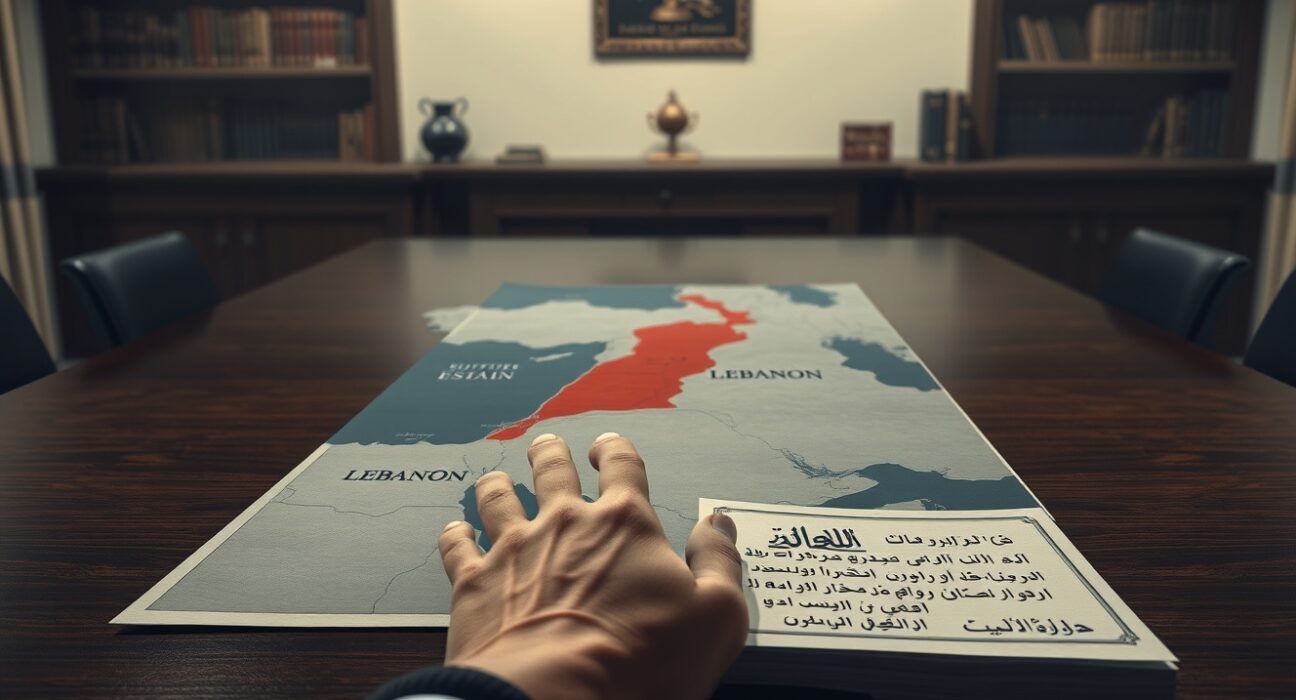
TEHRAN, Iran – March 15, 2025 – Iran has issued a stark warning that it will withdraw from the current ceasefire agreement if Israel continues its military operations against Lebanon, according to a report from the Tasnim News Agency. This development represents a significant escalation in regional tensions and threatens to unravel fragile diplomatic efforts. The announcement comes amid increasing cross-border exchanges between Israeli forces and Hezbollah militants in southern Lebanon.
Iran Ceasefire Threat and Regional Implications
Tasnim News Agency, which maintains close ties to Iran’s Islamic Revolutionary Guard Corps, cited an unnamed source revealing Tehran’s position. Consequently, this threat directly links the Gaza ceasefire framework to the separate but connected Lebanon-Israel conflict. The Iranian government views continued Israeli strikes against Lebanese territory as unacceptable violations. Moreover, regional analysts note this represents Iran’s most explicit warning since the current round of hostilities began.
The ceasefire agreement in question emerged from months of international mediation. Key provisions include:
- Humanitarian corridors for aid delivery to Gaza
- Prisoner exchange protocols between conflicting parties
- Military de-escalation timelines for various fronts
- Monitoring mechanisms involving neutral observers
Iran’s participation remains crucial despite not being a direct party to the Israel-Hamas conflict. Tehran provides substantial support to regional proxies including Hezbollah in Lebanon. Therefore, Iranian withdrawal could trigger a chain reaction affecting multiple conflict zones simultaneously.
Historical Context of Israel-Lebanon Tensions
The Lebanon-Israel border has experienced periodic violence for decades. Recent months witnessed escalating exchanges between Israeli forces and Hezbollah militants. These clashes represent the most sustained fighting since the 2006 Lebanon War. Additionally, Israeli airstrikes have targeted Hezbollah infrastructure deep within Lebanese territory.
Hezbollah maintains an extensive arsenal of rockets and missiles. The group has demonstrated increasing capability to strike northern Israeli communities. Consequently, Israeli military responses have grown more frequent and intense. The table below illustrates recent escalation patterns:
| Time Period | Israeli Strikes | Hezbollah Attacks | Civilian Impact |
|---|---|---|---|
| January 2025 | 42 reported | 67 reported | 12,000 displaced |
| February 2025 | 58 reported | 89 reported | 18,000 displaced |
| March 1-14, 2025 | 31 reported | 47 reported | 9,000 displaced |
United Nations peacekeeping forces monitor the Blue Line demarcation. However, UNIFIL personnel face increasing restrictions from both sides. The deteriorating situation threatens to overwhelm current conflict management frameworks.
Expert Analysis of Iranian Strategic Calculations
Regional security experts suggest multiple factors influence Tehran’s position. First, Iran seeks to maintain its regional influence and proxy network credibility. Second, domestic political considerations pressure Iranian leadership to demonstrate strength. Third, Tehran aims to leverage the Lebanon front as bargaining chip in broader negotiations.
Dr. Amina Farhoud, Middle East security analyst at the International Crisis Group, explains the strategic context. “Iran faces competing pressures,” she notes. “On one hand, Tehran wants to avoid direct confrontation with Israel and the United States. On the other hand, abandoning Lebanese allies risks diminishing Iranian regional stature.”
Furthermore, economic considerations play a significant role. International sanctions continue affecting Iran’s economy. However, regional conflicts divert attention from domestic challenges. This dynamic creates complex incentives for Iranian decision-makers.
Potential Consequences of Ceasefire Collapse
Iranian withdrawal from the ceasefire agreement could trigger several immediate effects. Humanitarian operations in Gaza would likely face disruption. Additionally, prisoner exchange processes might stall indefinitely. Most significantly, regional escalation could expand beyond current conflict zones.
Possible escalation scenarios include:
- Expanded Hezbollah operations against northern Israel
- Increased Iranian support to Palestinian militant groups
- Syrian front activation involving Iranian-backed militias
- Maritime security deterioration in the Eastern Mediterranean
- International shipping disruptions through critical chokepoints
The United States maintains significant military assets in the region. American officials have repeatedly warned against escalation. However, diplomatic efforts face mounting challenges as violence continues. European and Arab mediators struggle to maintain communication channels between conflicting parties.
International Response and Diplomatic Efforts
World leaders express growing concern about potential regional war. The United Nations Security Council plans emergency consultations. Meanwhile, Arab League foreign ministers schedule urgent meetings. These diplomatic initiatives aim to prevent complete ceasefire collapse.
French President Emmanuel Macron recently emphasized the stakes. “The Lebanon-Israel border represents a critical flashpoint,” he stated. “All parties must exercise maximum restraint to avoid catastrophic escalation.” Similarly, Egyptian mediation teams work tirelessly to maintain dialogue.
Regional powers pursue different approaches. Saudi Arabia and the United Arab Emirates advocate for de-escalation. Conversely, Qatar maintains communication with all parties including Iran and Hamas. This complex diplomatic landscape reflects competing regional interests and alliances.
Military Preparedness and Readiness Levels
Israeli Defense Forces maintain heightened alert along the northern border. The military recently conducted large-scale exercises simulating multi-front conflict. Similarly, Hezbollah forces remain on high readiness status. Both sides possess significant military capabilities.
International observers monitor several indicators for escalation risks. These include weapons transfers, troop movements, and rhetorical intensity. Currently, most indicators suggest deteriorating stability. However, neither side appears to seek full-scale war at this moment.
Conclusion
Iran’s threat to exit the ceasefire agreement represents a critical juncture in Middle East conflicts. The warning connects multiple regional flashpoints through complex proxy relationships. Furthermore, continued Israeli attacks on Lebanon test diplomatic frameworks and conflict containment mechanisms. Regional stability hangs in delicate balance as international mediators race against escalating violence. The coming days will determine whether diplomacy can prevail over military escalation.
FAQs
Q1: What ceasefire agreement is Iran threatening to leave?
The agreement refers to the broader Gaza ceasefire framework that emerged from international mediation efforts. This framework includes humanitarian provisions, prisoner exchanges, and military de-escalation timelines affecting multiple conflict zones.
Q2: Why does Iran care about Israeli attacks on Lebanon?
Iran provides substantial military and financial support to Hezbollah, the Lebanese militant group engaged in conflict with Israel. Tehran views itself as protector of Lebanese interests against Israeli actions, maintaining this position strengthens its regional influence.
Q3: How credible is the Tasnim News Agency report?
Tasnim maintains close ties to Iran’s Revolutionary Guard Corps and often reflects official thinking. While the specific source remains unnamed, the agency reliably conveys positions from Iranian security establishment circles.
Q4: What would happen if Iran withdraws from the ceasefire?
Withdrawal could trigger humanitarian operation disruptions, stall prisoner exchanges, and potentially expand conflict to other fronts. Iranian-backed groups might increase attacks, while international mediation efforts would face significant setbacks.
Q5: How are other countries responding to this threat?
International concern is growing with UN Security Council consultations planned and Arab League emergency meetings scheduled. European and Arab mediators intensify efforts to prevent escalation while maintaining communication between conflicting parties.
Q6: Has Israel commented on Iran’s threat?
Israeli officials typically do not respond directly to Iranian statements. However, the Israeli government maintains its right to defend northern communities against Hezbollah attacks, suggesting continued military operations regardless of Iranian warnings.
Disclaimer: The information provided is not trading advice, Bitcoinworld.co.in holds no liability for any investments made based on the information provided on this page. We strongly recommend independent research and/or consultation with a qualified professional before making any investment decisions.