
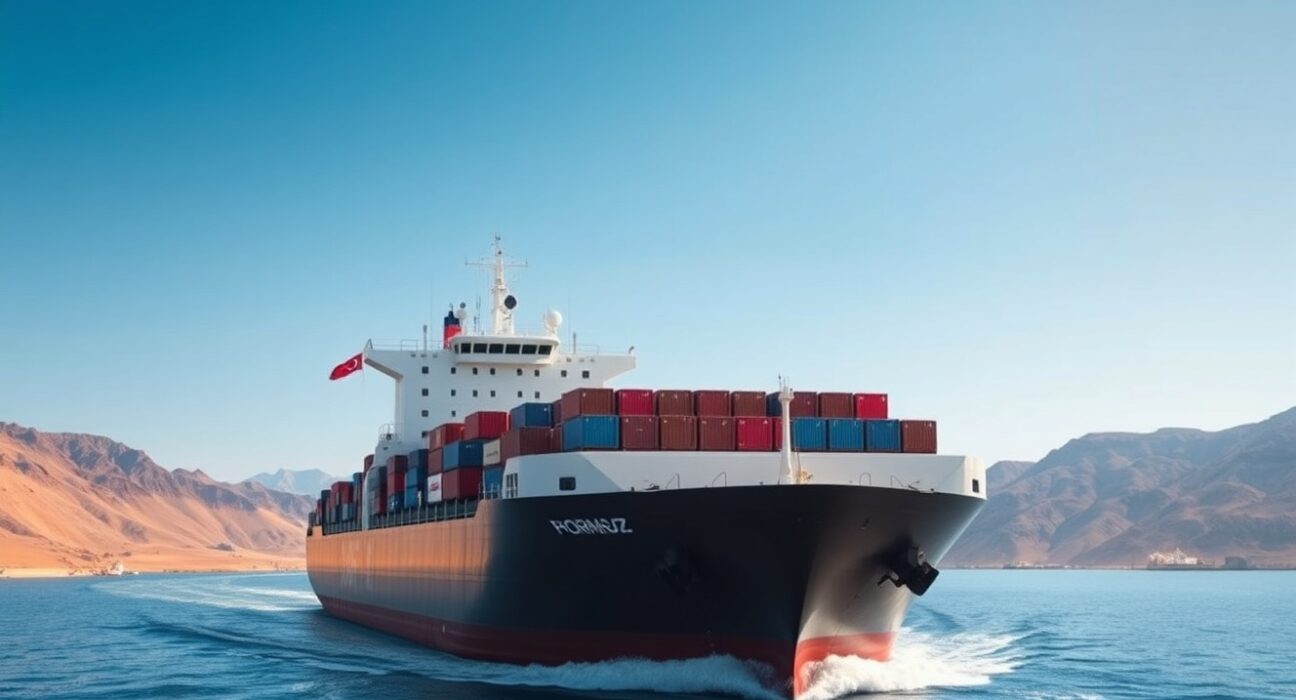
In a significant development for Middle Eastern maritime security, Iran has granted passage to Turkish commercial vessels through the strategically vital Strait of Hormuz. This decision, announced by Turkey’s Minister of Transport on Tuesday, follows direct negotiations between Ankara and Tehran and immediately affects several ships currently in the region. Consequently, this arrangement provides crucial relief for Turkish shipping interests navigating one of the world’s most contested waterways.
Strait of Hormuz Passage Secured Through Bilateral Talks
Turkey’s government confirmed the diplomatic success after securing transit rights for its flagged vessels. According to the official statement, the approved ships received clearance specifically because of their established use of Iranian ports. This precedent formed the basis for the negotiation. Furthermore, the Turkish minister noted that discussions remain active, as fourteen additional Turkish ships are currently operating in the Persian Gulf area. The agreement, therefore, mitigates immediate logistical and security concerns for a substantial portion of Turkey’s maritime fleet.
The Strait of Hormuz serves as a global energy chokepoint. Approximately one-fifth of the world’s oil passes through this narrow passage. Any disruption there triggers immediate volatility in global energy markets. For Turkey, a nation heavily dependent on imported energy and regional trade, secure access is non-negotiable. This deal directly addresses that fundamental need. It also demonstrates a functional, albeit complex, diplomatic channel between Ankara and Tehran.
Geopolitical Context and Regional Maritime Security
This agreement unfolds against a backdrop of persistent tension in the Persian Gulf. Historically, Iran has periodically threatened to close the Strait of Hormuz in response to international pressure or sanctions. Various naval incidents have also occurred involving tankers. For regional and global powers, ensuring freedom of navigation remains a top priority. Turkey’s successful negotiation, therefore, represents a pragmatic bilateral solution within a multilateral problem.
Turkey and Iran maintain a multifaceted relationship characterized by both cooperation and competition. They are neighboring states with significant economic ties but often opposing positions on regional issues like the Syrian conflict. This maritime agreement highlights an area of aligned interests: stable commerce. By facilitating Turkish shipping, Iran potentially aims to bolster economic cooperation and present itself as a reliable regional actor capable of managing the strait’s security.
Expert Analysis on the Diplomatic and Economic Impact
Maritime policy analysts point to the deal’s timing and structure. Granting passage based on prior port use establishes a clear, verifiable criterion. This approach reduces ambiguity and sets a potential precedent for other nations with similar commercial histories with Iran. Economically, the immediate benefit for Turkey is clear. It avoids costly delays, rerouting, or insurance premium hikes for its affected vessels.
The table below outlines key statistics about the Strait of Hormuz, underscoring its global importance:
| Annual Oil Flow | ~21 million barrels per day |
| Width at Narrowest Point | 21 nautical miles |
| Navigable Channel Width | 2 miles in each direction |
| Major Exporters Using Strait | Saudi Arabia, Iran, UAE, Kuwait, Iraq |
From a security perspective, the deal may temporarily de-escalate local risks for Turkish assets. However, the underlying geopolitical tensions in the region persist. The ongoing negotiations for the remaining fourteen ships indicate the process is incremental. Success here could encourage further diplomatic confidence-building measures between the two capitals on other issues.
Operational Details and Future Implications
The Turkish Ministry of Transport provided specific operational details. The approved vessels are now cleared for transit through the strait. This clearance likely involves coordinated communication with Iranian maritime authorities. The process may include:
- Advance Notification: Submitting ship manifests and routes.
- Routing Protocols: Adhering to designated traffic lanes.
- Communication Channels: Maintaining open lines with Iranian coast guard units.
This model of operation, if sustained, could serve as a template. Other countries with significant trade through the strait might seek similar bilateral understandings. However, the uniqueness of Turkey’s relationship with Iran, including their land border and energy trade, makes this agreement particularly feasible for Ankara.
Looking ahead, the stability of this arrangement will be tested. It depends heavily on the continued state of Iran’s relations with Western powers. A major escalation elsewhere could see Iran leverage control of the strait again. For now, Turkey has secured a vital national interest. Its diplomatic corps has demonstrated effective negotiation in a high-stakes environment. The world will closely watch how this bilateral understanding influences broader patterns of transit and security in the Persian Gulf.
Conclusion
Iran’s decision to allow Turkish ships passage through the Strait of Hormuz marks a critical diplomatic achievement for Ankara. It ensures the immediate security and operational continuity of its commercial fleet in a volatile region. This agreement, rooted in established port usage, provides a tangible example of functional diplomacy between two major Middle Eastern powers. Moreover, it temporarily alleviates a significant pressure point for global trade routed through the Persian Gulf. The focus now shifts to the ongoing talks for the remaining vessels and whether this model of bilateral maritime cooperation can endure amid the region’s complex geopolitical currents.
FAQs
Q1: Why is the Strait of Hormuz so important?
The Strait of Hormuz is a narrow chokepoint connecting the Persian Gulf to the open ocean. It is arguably the world’s most critical maritime oil transit route, with about 21% of global petroleum liquids consumption passing through it daily. Its closure would severely disrupt global energy supplies.
Q2: On what basis did Iran grant passage to Turkish ships?
According to Turkey’s Minister of Transport, Iran approved the transit because the specific vessels had a history of using Iranian ports. This established commercial relationship likely served as a trust-building criterion during the negotiations.
Q3: How many Turkish ships are affected by this deal?
The announcement confirmed passage for an initial group of vessels. However, negotiations are continuing for fourteen additional Turkish ships that remain in the broader Persian Gulf region.
Q4: Does this agreement guarantee long-term safe passage for all Turkish shipping?
No. This appears to be a specific, negotiated arrangement for current vessels. Long-term guarantees would require a more formal and enduring bilateral treaty or understanding, which is subject to the fluctuating nature of Iran-Turkey relations and regional stability.
Q5: How might this deal impact global oil prices?
In the immediate term, the deal has a stabilizing effect. By reducing the risk of disruption for a segment of shipping, it slightly alleviates one source of market anxiety. However, broader oil prices are influenced by many factors, including OPEC+ decisions, global demand, and the overall security situation in the Middle East.
Disclaimer: The information provided is not trading advice, Bitcoinworld.co.in holds no liability for any investments made based on the information provided on this page. We strongly recommend independent research and/or consultation with a qualified professional before making any investment decisions.