

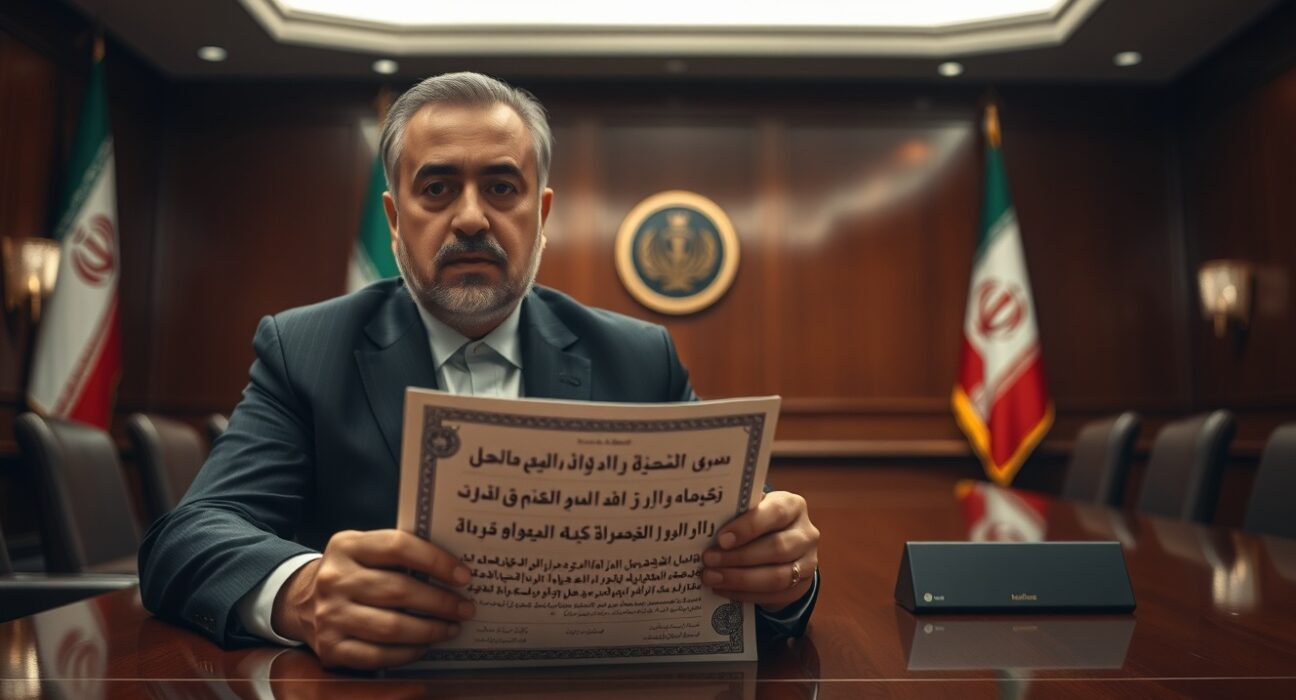
Iran is currently reviewing a U.S. proposal for direct talks, Foreign Minister Abbas Araghchi confirmed on Wednesday. This development marks a significant shift in the strained diplomatic relations between Tehran and Washington. The Iranian government is now carefully considering the offer, signaling a potential opening for dialogue after years of heightened tensions.
Iran Reviews US Proposal for Talks: Key Details
Foreign Minister Araghchi stated that the United States presented a formal proposal for negotiations. He emphasized that Iran’s leadership is evaluating the terms and implications. The announcement comes amid ongoing international efforts to address Iran’s nuclear program and regional influence.
Iran has long demanded respect for its sovereignty. The U.S. proposal reportedly includes conditions related to nuclear enrichment and sanctions relief. Experts believe this could lead to a new framework for engagement.
- Proposal origin: U.S. State Department via diplomatic channels.
- Iran’s response: Under review by the Supreme National Security Council.
- Timeline: No deadline set for a decision.
This is not the first attempt at dialogue. Previous negotiations in 2022 and 2023 stalled over verification and compensation issues. However, the current proposal includes updated language on mutual concessions.
Background of US-Iran Diplomatic Relations
Relations between the two countries have been fraught since the 1979 Islamic Revolution. The U.S. withdrew from the Joint Comprehensive Plan of Action (JCPOA) in 2018, leading to renewed sanctions. Iran responded by increasing uranium enrichment levels.
In 2024, indirect talks through Oman and Qatar failed to produce a breakthrough. The current proposal represents a direct U.S. outreach, which analysts view as a strategic shift. Iran’s foreign policy emphasizes negotiation from a position of strength.
Timeline of Key Events
| Year | Event |
|---|---|
| 2015 | JCPOA signed between Iran and P5+1 |
| 2018 | U.S. withdraws from JCPOA |
| 2022 | Nuclear deal talks stall in Vienna |
| 2024 | Indirect talks in Oman fail |
| 2025 | U.S. proposes direct talks |
Geopolitical Implications of US Iran Negotiations 2025
Analysts suggest that successful talks could reshape Middle Eastern geopolitics. Iran’s regional allies, including Hezbollah and the Houthis, may be affected. The U.S. seeks to limit Iran’s nuclear capabilities and ballistic missile program.
Conversely, Iran aims for sanctions relief and economic stability. The country faces high inflation and unemployment. A diplomatic breakthrough could unlock billions in frozen assets.
European and Gulf states watch closely. The UAE and Saudi Arabia have recently normalized ties with Iran. This creates a more favorable environment for broader regional dialogue.
Expert Perspectives
Dr. Ali Vaez, Iran analyst at the International Crisis Group, states: ‘This proposal is a litmus test for both sides. Iran must balance domestic hardliners with economic needs. The U.S. must offer credible incentives.’
Former U.S. diplomat John Limbert adds: ‘Direct talks reduce misunderstandings. But trust remains low. Each side will demand verifiable actions.’
Potential Outcomes and Challenges
Several scenarios are possible:
- Breakthrough: Agreement on a phased sanctions relief and nuclear limits.
- Stalemate: Iran rejects terms, citing insufficient guarantees.
- Escalation: Talks collapse, leading to increased tensions or military action.
Iran’s leadership faces internal pressure. Hardliners oppose any deal with the ‘Great Satan.’ Reformists argue that engagement is necessary for economic recovery. The final decision rests with Supreme Leader Ali Khamenei.
Impact on Global Markets and Energy
Oil markets react to diplomatic signals. A potential deal could increase Iran’s oil exports, lowering global prices. Currently, Iran produces about 3.2 million barrels per day. Sanctions have limited its export capacity.
Shipping and insurance sectors also monitor developments. The removal of sanctions would allow Iranian oil to re-enter formal markets. This could stabilize energy prices amid ongoing volatility from the Ukraine conflict.
Iran Foreign Minister Talks: Araghchi’s Role
Foreign Minister Araghchi, a seasoned diplomat, played a key role in the original JCPOA negotiations. He brings experience and credibility to the current process. His public confirmation of the proposal suggests a willingness to engage transparently.
Araghchi’s statements also serve domestic audiences. He emphasizes Iran’s strength and careful consideration. This approach helps manage expectations and reduce backlash from hardliners.
Conclusion
Iran’s review of the U.S. proposal for talks represents a critical juncture in international diplomacy. The outcome will influence nuclear non-proliferation, regional stability, and global energy markets. Both sides must navigate deep mistrust and complex domestic politics. The world now watches as Tehran weighs its options. A decision could come within weeks, setting the stage for either a historic thaw or renewed confrontation.
FAQs
Q1: What is the US proposal for talks with Iran?
The United States has proposed direct negotiations with Iran, likely focusing on nuclear enrichment, sanctions relief, and regional security. Iran’s foreign minister confirmed the offer is under review.
Q2: Why is Iran considering talks now?
Iran faces severe economic pressure from sanctions and domestic inflation. Talks could lead to sanctions relief and improved economic conditions. Additionally, regional dynamics have shifted with Gulf states normalizing ties.
Q3: What are the main obstacles to a deal?
Key obstacles include mutual distrust, Iran’s nuclear progress, U.S. demands for ballistic missile limits, and opposition from hardliners in both countries. Verification mechanisms also remain contentious.
Q4: How might this affect oil prices?
If talks succeed and sanctions are lifted, Iran could increase oil exports, potentially lowering global prices. However, the impact depends on the speed and scale of sanctions relief.
Q5: What role does the EU play in these talks?
The European Union has historically facilitated US-Iran negotiations. EU diplomats may serve as mediators or observers. The EU also has interests in non-proliferation and regional stability.
Disclaimer: The information provided is not trading advice, Bitcoinworld.co.in holds no liability for any investments made based on the information provided on this page. We strongly recommend independent research and/or consultation with a qualified professional before making any investment decisions.
