

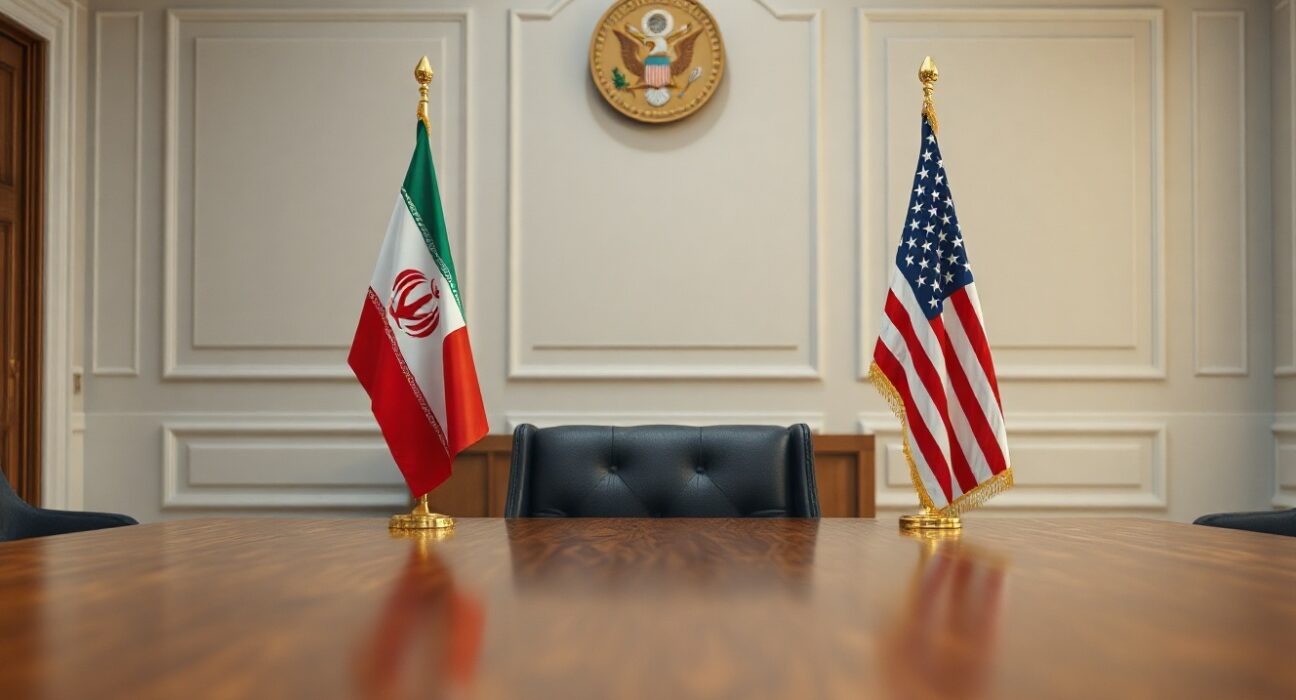
Iran’s Foreign Minister announced on Wednesday that formal negotiations between the United States and Iran will commence on the same day the two countries sign a memorandum of understanding (MOU). The announcement marks a significant step forward in diplomatic efforts to resolve long-standing disputes over Iran’s nuclear program and the lifting of international sanctions.
Phased Approach to a Final Agreement
According to the Foreign Minister, the initial phase of the talks will culminate in the signing of an MOU, after which negotiations will continue for a period of 60 days. The goal is to reach a comprehensive final agreement that addresses both nuclear concerns and the removal of economic sanctions imposed on Iran. This phased approach is intended to build trust and create a structured timeline for resolving the most contentious issues.
Background and Context
The announcement comes amid a broader push by the current U.S. administration to re-engage diplomatically with Iran, following the withdrawal from the 2015 Joint Comprehensive Plan of Action (JCPOA) in 2018. Since then, Iran has expanded its nuclear activities beyond the limits set by the original deal, while the U.S. has maintained and even increased sanctions pressure. The proposed talks represent the most concrete effort in years to return to a negotiated framework.
What the Final Deal May Cover
While specific details have not been disclosed, the final agreement is expected to cover key areas including uranium enrichment levels, international inspections, and the gradual removal of sanctions that have severely impacted Iran’s economy. Analysts suggest that the 60-day negotiation window reflects the urgency both sides feel to reach a deal before political windows close, particularly in the U.S. where election cycles could shift priorities.
Why This Matters
For global markets, a successful agreement could lead to the return of Iranian oil exports, potentially lowering energy prices and easing supply chain pressures. For the Middle East, it could reduce regional tensions and open the door for broader diplomatic engagement. However, the path remains uncertain, as both domestic political factions and international partners, including Israel and Gulf states, have expressed skepticism about the talks’ viability.
Conclusion
The confirmation of a start date for U.S.-Iran negotiations, tied to the signing of an MOU, provides a clear timeline for what could be a pivotal diplomatic process. Over the next 60 days, the world will watch closely as both sides attempt to bridge deep differences and finalize an agreement that could reshape the geopolitical and economic landscape.
FAQs
Q1: When will the U.S.-Iran talks officially begin?
The Iranian Foreign Minister stated that negotiations will start on the same day the MOU is signed, though the exact date has not yet been announced.
Q2: What is the purpose of the 60-day negotiation period?
The 60-day period is intended to finalize a comprehensive agreement covering nuclear issues and the lifting of sanctions, building on the initial MOU.
Q3: How does this differ from the 2015 JCPOA?
The new talks aim to address issues that emerged after the U.S. withdrawal from the JCPOA in 2018, including Iran’s advanced nuclear capabilities and expanded sanctions, with a potentially broader scope for verification and relief.
Disclaimer: The information provided is not trading advice, Bitcoinworld.co.in holds no liability for any investments made based on the information provided on this page. We strongly recommend independent research and/or consultation with a qualified professional before making any investment decisions.
