

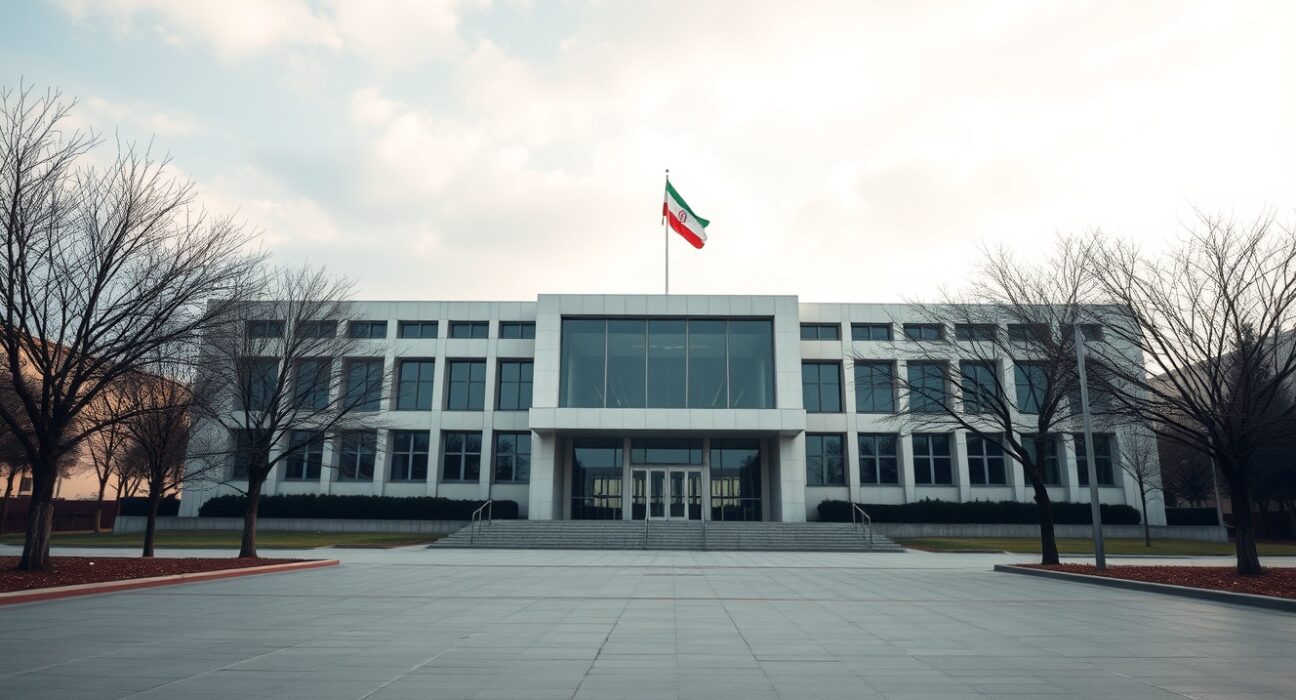
Iran has not yet decided whether to participate in new negotiations with Washington, a spokesperson for the country’s Ministry of Foreign Affairs said. This statement introduces fresh uncertainty into the already fragile diplomatic landscape surrounding Iran US talks.
Iran US Talks: Official Confirms No Decision Made
On Tuesday, Nasser Kanaani, the spokesperson for Iran’s Ministry of Foreign Affairs, addressed reporters in Tehran. He stated that Tehran has not reached a final decision on resuming negotiations with the United States. This marks a significant development in the ongoing diplomatic standoff.
Kanaani did not provide a timeline for when a decision might be made. He emphasized that Iran evaluates all diplomatic channels carefully. The spokesperson added that any potential talks must align with Iran’s national interests.
This announcement comes after months of indirect discussions. Previous rounds of negotiations focused on the nuclear program. They also covered sanctions relief and regional security issues.
Background: The Long Road to Nuclear Negotiations
The relationship between Iran and the US has been strained for decades. Key flashpoints include the 1979 hostage crisis and ongoing disputes over Iran’s nuclear ambitions.
The Joint Comprehensive Plan of Action (JCPOA) represented a major diplomatic breakthrough in 2015. This agreement limited Iran’s nuclear activities in exchange for sanctions relief. However, the US withdrew from the deal in 2018 under President Donald Trump.
Iran responded by increasing its uranium enrichment levels. These actions violated the terms of the original agreement. Since then, multiple rounds of talks have failed to restore the deal.
Current negotiations remain stalled. The US insists on stricter terms. Iran demands full sanctions removal before any new commitments.
Timeline of Key Events
- 2015: JCPOA signed between Iran and world powers.
- 2018: US withdraws from the deal and reimposes sanctions.
- 2019: Iran begins exceeding uranium enrichment limits.
- 2021-2023: Multiple rounds of talks in Vienna fail to reach a new agreement.
- 2024: Diplomatic channels remain open but no progress reported.
- 2025: Iran says it has not yet decided on new talks with US.
Why This Matters: Implications for Regional Stability
The uncertainty around Iran US talks carries significant consequences. A failure to resume negotiations could escalate tensions in the Middle East.
Several factors contribute to the urgency of this situation. First, Iran’s nuclear program continues to advance. The International Atomic Energy Agency (IAEA) reports that Iran now enriches uranium to 60% purity. This level is close to weapons-grade material.
Second, regional powers are watching closely. Saudi Arabia, Israel, and the UAE all have strong interests in the outcome. Any nuclear deal directly affects their security calculations.
Third, global energy markets remain sensitive to Iran-related news. Iran holds some of the world’s largest oil and gas reserves. Sanctions relief could increase global supply and lower prices.
Expert Perspectives on Iran US Talks
Analysts offer mixed views on the likelihood of new talks. Dr. Ali Vaez, an Iran expert at the International Crisis Group, notes that both sides face internal pressures. The US administration deals with congressional opposition. Iran’s government balances hardliner demands with economic needs.
Professor Suzanne Maloney of the Brookings Institution adds that the window for diplomacy may be closing. She argues that Iran’s nuclear advances reduce the time available for a negotiated solution.
Other experts point to potential mediators. Oman, Qatar, and Switzerland have previously facilitated indirect talks. These countries could play a role in restarting the dialogue.
What This Means for US Iran Relations
The statement from Iran’s foreign ministry represents a setback for US diplomatic efforts. The Biden administration has expressed willingness to re-enter negotiations. However, it insists on a renewed framework that addresses broader concerns.
These concerns include Iran’s ballistic missile program and its support for proxy groups in the region. The US also wants stronger inspection mechanisms for nuclear sites.
Iran rejects these additional conditions. It views them as exceeding the original JCPOA scope. This fundamental disagreement remains the main obstacle to new talks.
Without a decision from Tehran, the diplomatic path remains blocked. The US may consider alternative approaches. These could include increased economic pressure or covert actions.
Economic Impact of Stalled Iran US Talks
The delay in Iran US talks affects multiple economies. Iran’s economy suffers from severe sanctions. Inflation rates exceed 40%. The rial has lost significant value against foreign currencies.
International businesses also feel the impact. Many companies avoid the Iranian market due to sanctions risks. A successful negotiation could open new trade opportunities.
Oil markets react to every development. Crude prices fluctuate based on the likelihood of Iranian oil returning to global markets. The current uncertainty keeps prices volatile.
Key Economic Indicators
| Indicator | Current Value | Trend |
|---|---|---|
| Iranian Inflation Rate | 42.3% | Rising |
| Iranian Oil Exports | 1.5 million bpd | Stable |
| US Sanctions Coverage | Extensive | Unchanged |
| Global Oil Price (Brent) | $82/barrel | Volatile |
Conclusion
Iran has not yet decided on new talks with US, creating significant diplomatic uncertainty. The statement from Tehran signals that the path to renewed negotiations remains unclear. Both sides face internal and external pressures that complicate decision-making. The outcome of this standoff will shape regional security, global energy markets, and international non-proliferation efforts. Observers will watch closely for any signs of movement from Tehran or Washington.
FAQs
Q1: Why has Iran not decided on new talks with the US?
Iran’s foreign ministry says it is still evaluating whether new negotiations align with national interests. The decision involves complex political and strategic considerations.
Q2: What are the main obstacles to Iran US talks?
The main obstacles include disagreements over the scope of negotiations. The US wants to address ballistic missiles and regional proxies, while Iran insists on focusing only on the nuclear program and sanctions relief.
Q3: How do stalled talks affect the nuclear program?
Without a diplomatic agreement, Iran continues to advance its nuclear capabilities. The IAEA reports that Iran now enriches uranium to 60% purity, shortening the time needed to produce weapons-grade material.
Q4: Could other countries mediate Iran US talks?
Yes, countries like Oman, Qatar, and Switzerland have previously facilitated indirect talks. They may attempt to restart the dialogue, but success depends on both sides showing flexibility.
Q5: What happens if talks fail permanently?
A permanent failure could lead to increased tensions, possible military confrontation, and a nuclear-armed Iran. It would also keep Iran’s economy under severe sanctions and maintain volatility in global oil markets.
Disclaimer: The information provided is not trading advice, Bitcoinworld.co.in holds no liability for any investments made based on the information provided on this page. We strongly recommend independent research and/or consultation with a qualified professional before making any investment decisions.
