

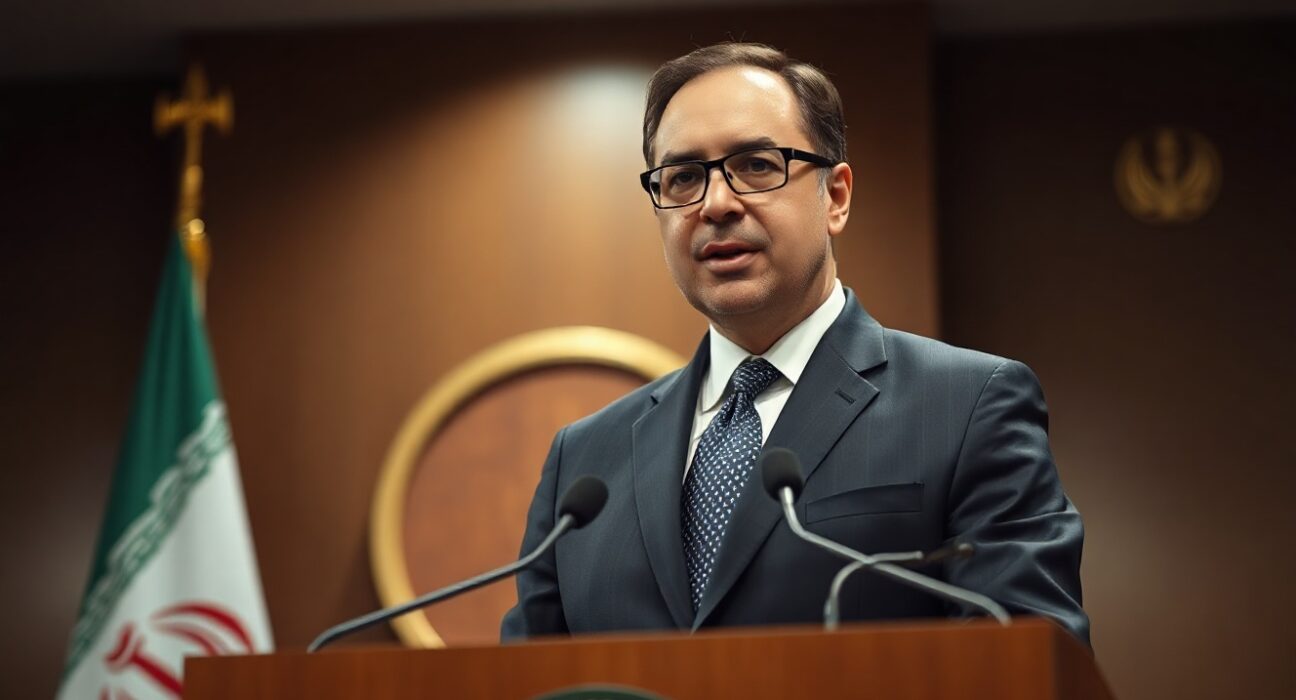
Iranian Foreign Minister Abbas Araghchi issued a stark warning on Wednesday, cautioning the United States and Israel against launching military strikes across multiple fronts, including Lebanon. The statement, delivered during a press conference in Tehran, signals a significant escalation in rhetoric as regional tensions continue to simmer.
Araghchi’s Warning: Scope and Implications
Araghchi specifically mentioned Lebanon as a potential flashpoint, warning that any attack on Iranian interests or allies would be met with a decisive response. The warning comes amid heightened military activity in the region, including Israeli airstrikes on Syrian targets and ongoing US naval deployments in the Persian Gulf. Analysts note that the inclusion of Lebanon broadens the scope of Iran’s deterrent posture, linking the security of Hezbollah and other allied groups directly to Tehran’s red lines.
Regional Context and Escalation Risks
The remarks follow weeks of increased rhetoric between Iran and the US-Israel axis. In recent months, Israel has conducted strikes on Iranian-linked facilities in Syria, while the US has reinforced its military presence in the region. Araghchi’s warning appears designed to deter any expansion of operations into Lebanese territory, where Hezbollah maintains significant military capabilities. The statement also reflects Iran’s broader strategy of projecting power through a network of proxies and allies across the Middle East.
Why This Matters for Regional Stability
The warning underscores the fragility of the current security environment. Any miscalculation or direct confrontation involving Lebanon could trigger a wider conflict, drawing in multiple state and non-state actors. For readers, this development highlights the ongoing risk of escalation in a region already grappling with multiple crises. The international community has called for restraint, but diplomatic channels remain limited.
Conclusion
Iran’s explicit warning to the US and Israel regarding Lebanon represents a serious escalation in regional tensions. While direct conflict has been avoided so far, the risk of miscalculation remains high. The situation warrants close monitoring as all parties weigh their next moves.
FAQs
Q1: Why did Iran specifically mention Lebanon in its warning?
Iran’s warning includes Lebanon because of its strategic alliance with Hezbollah, a powerful militant group and political party based there. Tehran views any threat to Hezbollah as a direct threat to its own security interests.
Q2: What triggered Araghchi’s statement?
The statement follows recent Israeli airstrikes on Iranian-linked targets in Syria and increased US naval activity in the region. Iran appears to be drawing a clear red line to prevent any expansion of operations into Lebanese territory.
Q3: How likely is a direct conflict between Iran and the US or Israel?
While direct conflict remains possible, both sides have historically avoided full-scale war. However, the current rhetoric and military posturing increase the risk of accidental escalation or miscalculation.
Disclaimer: The information provided is not trading advice, Bitcoinworld.co.in holds no liability for any investments made based on the information provided on this page. We strongly recommend independent research and/or consultation with a qualified professional before making any investment decisions.
