

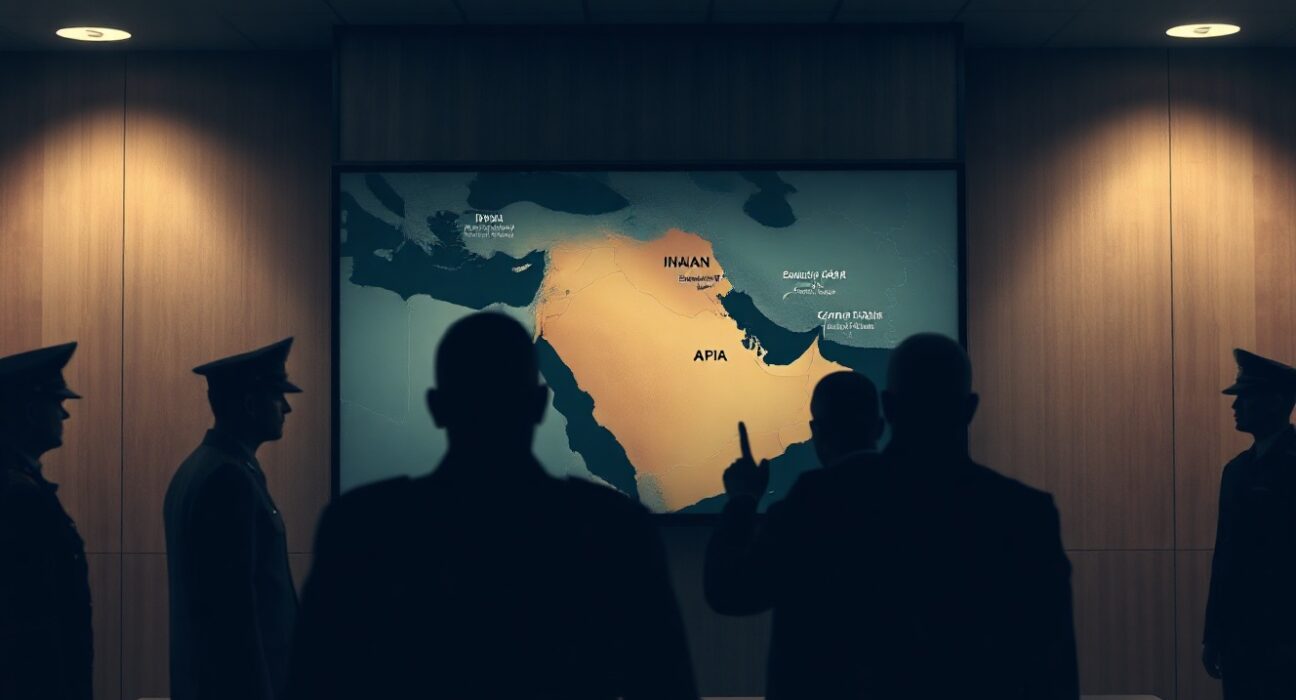
US and Israeli officials have reportedly agreed to a coordinated military plan targeting Iran’s energy infrastructure, according to a CBS News report. The plan, which has not been officially confirmed by either government, would represent a significant escalation in the ongoing conflict between Israel and Iran-backed forces. As of this writing, the exact timing and scope of any potential operation remain unclear, and the report cites unnamed sources familiar with the discussions.
What the Report Says
CBS News, citing multiple sources, indicates that the United States and Israel have moved beyond general discussions to a concrete plan of action. The report suggests that the attack would focus on Iran’s oil refineries and other energy-related facilities, aiming to cripple the country’s economic backbone and its ability to fund regional proxies. However, the report also notes that the plan could change at any moment and has not yet received final approval from the highest levels of either government.
Why Iran’s Energy Infrastructure Matters
Iran is one of the world’s largest oil producers, and its energy sector is crucial to both its domestic economy and its geopolitical influence. A strike on these facilities could disrupt global oil supplies, leading to price spikes and economic uncertainty worldwide. Analysts point out that Iran has previously threatened to close the Strait of Hormuz, a critical chokepoint for oil shipments, in response to any major attack. The potential for a wider regional conflict, drawing in other nations and non-state actors, is a serious concern for international security.
Impact on Oil Markets and Global Economy
News of the reported plan has already contributed to volatility in oil markets, with crude prices experiencing fluctuations. A direct attack on Iran’s energy infrastructure would likely remove a significant portion of global supply from the market, potentially pushing prices to levels not seen in years. This would have cascading effects on inflation, transportation costs, and consumer prices worldwide. The International Energy Agency and other monitoring bodies are closely watching the situation, though they have not issued public statements on the reported plan.
Historical Context and Diplomatic Efforts
Tensions between Israel and Iran have escalated dramatically over the past year, with direct military exchanges and ongoing proxy conflicts. The United States has increased its military presence in the region, ostensibly to deter further escalation and protect its allies. Diplomatic efforts, including negotiations over Iran’s nuclear program, have stalled, and both sides have signaled a willingness to use military force. The reported plan, if executed, would mark a new phase in this long-running confrontation, moving from covert operations and cyberattacks to direct, overt strikes on sovereign Iranian territory.
Reactions and Uncertainty
Official reactions have been muted, with the White House and the Israeli Prime Minister’s Office declining to comment on the CBS News report. Iranian officials have not yet issued a formal response, but state media have characterized the report as psychological warfare and a pretext for aggression. International allies, particularly in Europe, have urged restraint and called for de-escalation. The situation remains fluid, and the veracity of the report has not been independently confirmed by other major news outlets. As with any developing story, the details may change as more information becomes available.
Conclusion
The reported US-Israeli plan to attack Iran’s energy infrastructure represents a potential major turning point in Middle Eastern geopolitics. While unconfirmed, the plan underscores the fragility of regional stability and the high stakes involved. For now, the world watches and waits, aware that any military action could have profound consequences for global energy markets, international security, and the lives of millions in the region. Further developments are expected in the coming days, and this article will be updated as new information emerges.
FAQs
Q1: What did CBS News report about US and Israel planning an attack on Iran?
CBS News reported that US and Israeli officials have developed a coordinated plan to strike Iran’s energy infrastructure, including oil refineries. The plan is not yet final and has not been officially confirmed by either government.
Q2: Why would the US and Israel target Iran’s energy infrastructure?
Iran’s energy sector is vital to its economy and its ability to fund proxy groups across the region. A strike on these facilities aims to cripple Iran’s financial resources and military capabilities, but it also risks disrupting global oil supplies and escalating the conflict.
Q3: How might an attack on Iran’s energy infrastructure affect the global economy?
Iran is a major oil producer, and any attack on its energy facilities could cause a significant drop in global supply, leading to higher oil prices and increased inflation worldwide. It could also provoke Iran to disrupt shipping in the Strait of Hormuz, further destabilizing energy markets.
Disclaimer: The information provided is not trading advice, Bitcoinworld.co.in holds no liability for any investments made based on the information provided on this page. We strongly recommend independent research and/or consultation with a qualified professional before making any investment decisions.
