

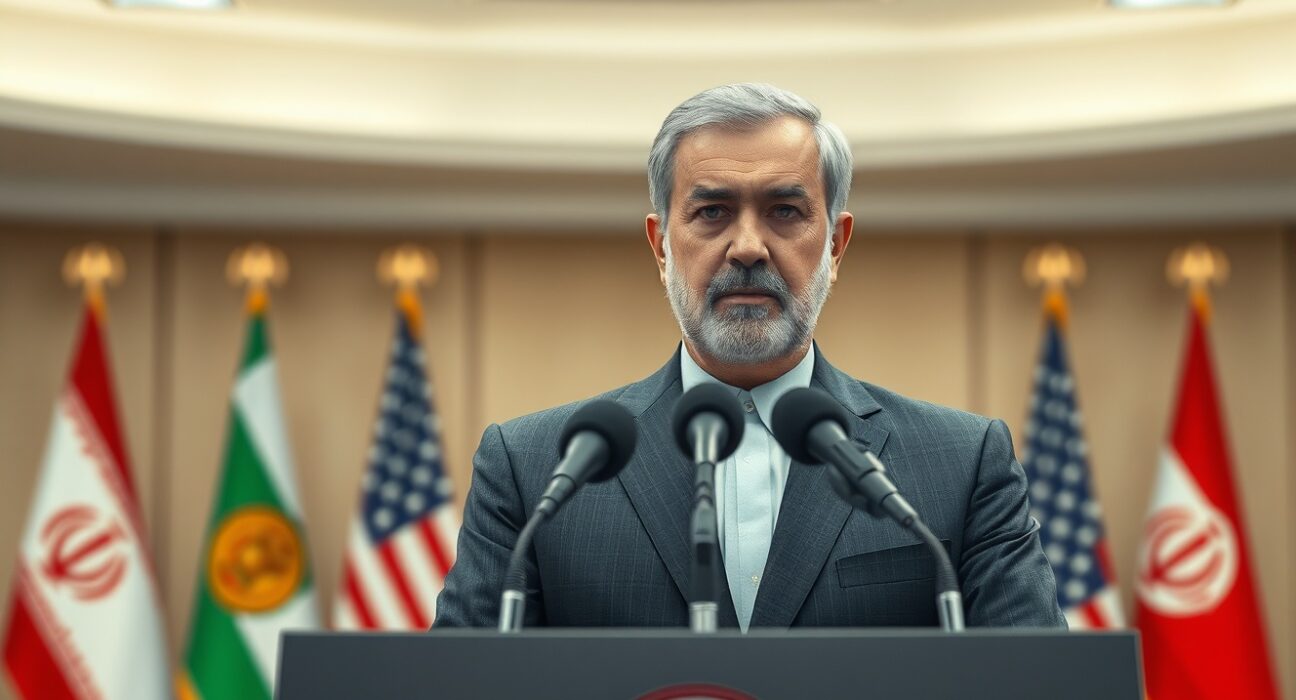
TEHRAN, Iran – Iranian Foreign Ministry spokesperson Nasser Kanaani, representing the position of senior diplomat Ali Bagheri Kani and the broader Iranian diplomatic corps often associated with figures like Mohammad Javad Zolfaghari’s historical stance, has publicly dismissed recent United States ceasefire proposals, marking a significant escalation in ongoing Middle East tensions and complicating international peace efforts.
Iran’s Zolfaghari Rejects US Ceasefire Framework
The Iranian diplomatic corps, through official channels, has consistently rejected American-led ceasefire initiatives in regional conflicts. This position reflects Tehran’s long-standing foreign policy principles. Iranian officials argue that US proposals fail to address core regional issues. Consequently, they maintain that such frameworks cannot achieve lasting peace.
Historical context reveals this is not an isolated incident. Iran has opposed US diplomatic initiatives for decades. The current rejection follows specific patterns observed in previous negotiations. Regional analysts note this consistency in Iranian foreign policy. Therefore, the latest statements align with established diplomatic positions.
Geopolitical Context of US-Iran Relations
US-Iran relations have remained strained since the 1979 Islamic Revolution. Multiple administrations have attempted diplomatic engagement with varying results. The Joint Comprehensive Plan of Action (JCPOA) in 2015 represented a high point. However, the US withdrawal in 2018 severely damaged bilateral trust.
Regional Power Dynamics Analysis
Iran positions itself as a regional power defending sovereign interests. The country maintains strategic relationships with various regional actors. These alliances significantly influence Tehran’s diplomatic calculations. Meanwhile, the United States maintains military partnerships with Gulf Arab states. This creates complex regional balancing acts.
Regional conflict zones where ceasefire discussions typically occur include:
- Yemen: Iranian-aligned Houthi forces versus Saudi-led coalition
- Syria: Iranian military advisors supporting government forces
- Iraq: Iranian influence among various political and militia groups
- Lebanon: Iranian support for Hezbollah’s political and military wings
Diplomatic Communication Channels and Methods
Official communications typically occur through multiple channels. The Iranian Foreign Ministry issues statements through domestic media. International news agencies then distribute these statements globally. Additionally, Iranian diplomats deliver messages at international forums. The United Nations often serves as a platform for such exchanges.
Recent diplomatic exchanges have followed this established pattern. Iranian officials made statements during press conferences in Tehran. US officials responded through State Department briefings in Washington. This public diplomacy allows both sides to communicate positions clearly. However, it sometimes hardens negotiating stances.
| Date | US Proposal | Iranian Response | Primary Spokesperson |
|---|---|---|---|
| 2023-Q4 | Regional de-escalation framework | Rejected as “incomplete” | Nasser Kanaani |
| 2024-Q1 | Humanitarian pause agreement | Called “cosmetic measure” | Ali Bagheri Kani |
| 2024-Q3 | Multilateral security dialogue | Dismissed without counter-proposal | Ministry Statement |
Impact on Regional Conflict Resolution
Iran’s rejection affects multiple conflict zones simultaneously. Yemen’s civil war continues without comprehensive ceasefire prospects. Syrian reconstruction faces additional diplomatic hurdles. Iraqi political stability encounters external complications. Lebanese economic recovery confronts geopolitical constraints.
Regional governments monitor these developments closely. Gulf Cooperation Council members assess security implications. Israeli officials evaluate threat perceptions. Turkish diplomats consider mediation possibilities. European Union representatives coordinate with international partners.
Expert Analysis of Diplomatic Stalemate
Middle East analysts identify several contributing factors to the current impasse. Trust deficits between Washington and Tehran remain substantial. Competing regional visions create fundamental disagreements. Security concerns drive both sides’ negotiating positions. Historical grievances influence contemporary decision-making.
International relations scholars note specific patterns in the diplomacy:
- Public positioning precedes private negotiations
- Regional allies influence principal actors
- Domestic politics constrain diplomatic flexibility
- Military developments affect negotiating leverage
International Community Response and Positions
The United Nations has called for renewed diplomatic engagement. Secretary-General appeals for constructive dialogue between all parties. Security Council members express concern about regional escalation. Special envoys attempt shuttle diplomacy between capitals.
European powers maintain distinct approaches to the situation. France advocates for incremental confidence-building measures. Germany supports multilateral negotiation formats. The United Kingdom coordinates with American diplomatic efforts. The European Union explores independent mediation channels.
Historical Precedents and Comparative Analysis
Current diplomatic tensions resemble previous periods in US-Iran relations. The 1980s featured similar public rejections of American initiatives. The 1990s witnessed occasional diplomatic breakthroughs. The 2000s saw fluctuating engagement levels. The 2010s included both the JCPOA agreement and subsequent collapse.
Comparative analysis with other diplomatic stalemates reveals common characteristics. North Korean nuclear negotiations followed similar patterns. Venezuelan political dialogues encountered comparable obstacles. Libyan conflict resolution faced parallel challenges. These cases suggest potential pathways forward.
Potential Pathways for Future Diplomacy
Several diplomatic options remain theoretically available despite current rejections. Backchannel communications could establish basic understandings. Regional intermediary nations might facilitate indirect talks. International organizations may propose alternative frameworks. Track II diplomacy could explore creative solutions.
Confidence-building measures represent a potential starting point. Humanitarian agreements could create positive momentum. Security guarantees might address core concerns. Verification mechanisms could establish necessary trust. Gradual implementation would allow reciprocal actions.
Conclusion
Iran’s rejection of US ceasefire attempts through figures representing positions like Zolfaghari’s historical stance reflects deep-seated geopolitical divisions and competing regional visions. The diplomatic impasse affects multiple conflict zones and international peace efforts. Consequently, regional stability faces significant challenges. However, historical precedents suggest diplomatic solutions remain possible through creative engagement and confidence-building measures. The international community continues monitoring developments while exploring alternative mediation approaches.
FAQs
Q1: Who is Zolfaghari in Iranian diplomacy?
Mohammad Javad Zolfaghari represents a historical stance within Iranian diplomatic circles emphasizing principled opposition to US initiatives, with contemporary positions articulated by current Foreign Ministry officials like Nasser Kanaani and Ali Bagheri Kani who continue similar policy directions.
Q2: What specific US ceasefire attempts has Iran rejected recently?
Iran has rejected multiple American proposals including regional de-escalation frameworks, humanitarian pause agreements, and multilateral security dialogues, consistently arguing these initiatives fail to address core issues of regional sovereignty and security arrangements.
Q3: How does this rejection affect ongoing conflicts in the Middle East?
The diplomatic impasse complicates conflict resolution in Yemen, Syria, Iraq, and Lebanon by removing potential comprehensive ceasefire frameworks, though localized arrangements sometimes proceed through other channels.
Q4: What are Iran’s main objections to US ceasefire proposals?
Tehran cites inadequate addressing of regional sovereignty concerns, insufficient security guarantees, perceived imbalance in proposed arrangements, and historical distrust of American diplomatic intentions as primary objections.
Q5: Are there any diplomatic channels still open between the US and Iran?
While direct high-level diplomacy remains limited, communication occurs through Swiss intermediaries in Tehran, United Nations channels, occasional messages via regional partners, and statements at international forums.
Disclaimer: The information provided is not trading advice, Bitcoinworld.co.in holds no liability for any investments made based on the information provided on this page. We strongly recommend independent research and/or consultation with a qualified professional before making any investment decisions.