
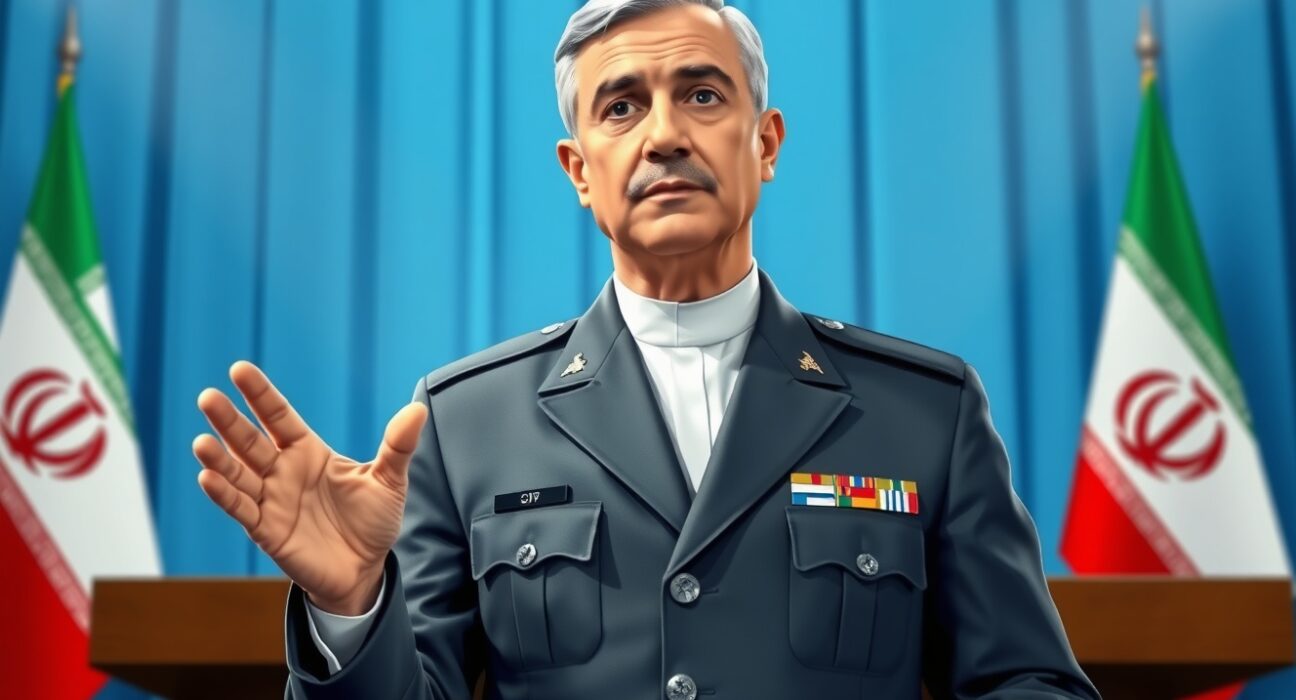
TEHRAN, Iran – An Iranian military spokesperson delivered a stark warning today, announcing that a larger, more extensive, and more destructive attack is imminent, according to reports from Iran’s Tasnim News Agency. This declaration immediately heightened regional security concerns and prompted international diplomatic responses. The statement represents a significant escalation in rhetoric from Iranian military officials, coming amid ongoing regional tensions and complex geopolitical negotiations.
Iranian Military Spokesperson Details Escalation Warning
The Iranian military spokesperson made the announcement through the semi-official Tasnim News Agency, which maintains close ties to Iran’s Islamic Revolutionary Guard Corps. According to the report, the spokesperson explicitly stated that any future military action would surpass previous operations in both scale and destructive capability. Military analysts immediately began examining this statement within the context of Iran’s recent military exercises and weapons development programs.
Furthermore, the spokesperson provided no specific timeline for the threatened action but emphasized its inevitability. Regional security experts note that such public warnings from Iranian military officials typically precede diplomatic maneuvers rather than immediate military action. However, the explicit language regarding increased destructiveness represents a notable shift in communication strategy. The international community has responded with calls for restraint and diplomatic engagement.
Regional Context and Historical Background
This warning emerges against a complex backdrop of Middle Eastern geopolitics. Iran has engaged in various regional conflicts through proxy forces while maintaining its nuclear program as a central point of international contention. Recent months have seen increased tensions between Iran and several neighboring states, particularly regarding maritime security and energy infrastructure. The table below outlines key recent developments:
| Date | Event | Significance |
|---|---|---|
| Past 6 Months | Increased Iranian naval exercises | Demonstration of maritime capabilities |
| Recent Weeks | Proxy group activities in multiple regions | Indirect pressure on adversaries |
| Current Month | Diplomatic negotiations stalemate | Reduced channels for de-escalation |
Additionally, Iran’s military has recently showcased several new weapons systems during public demonstrations. These include advanced drone technology and precision-guided missiles. Military analysts suggest these capabilities could enable the “more destructive” actions referenced in the warning. The country’s defense strategy has increasingly emphasized asymmetric warfare capabilities alongside conventional military development.
Expert Analysis of Military Capabilities
Regional security experts emphasize several key factors when assessing Iran’s military capabilities and intentions. First, Iran maintains one of the largest missile arsenals in the Middle East, with ranges covering much of the region. Second, the country has developed sophisticated drone technology that has seen operational use in multiple conflicts. Third, Iran’s network of proxy forces provides strategic depth and deniability for operations beyond its borders.
Moreover, defense analysts note that Iran’s military doctrine emphasizes deterrence through demonstrated capability. Public warnings often serve as part of this deterrence strategy. However, the specific language regarding increased scale and destructiveness suggests potential planning for operations beyond previous thresholds. International observers are monitoring Iranian military movements and communications for indicators of imminent action.
Potential Impacts and International Response
The warning has immediate implications for regional security and global markets. Oil prices typically respond to Middle Eastern tensions, and energy analysts are watching developments closely. Shipping lanes through critical waterways like the Strait of Hormuz could face increased risks, affecting global supply chains. Regional governments have heightened security alert levels in response to the announcement.
Key potential impacts include:
- Energy market volatility – Oil and gas price fluctuations
- Maritime security concerns – Increased insurance costs for shipping
- Diplomatic activity – Emergency meetings among regional powers
- Military preparedness – Allied forces increasing readiness levels
International responses have varied significantly. Some nations have called for immediate de-escalation and renewed diplomatic efforts. Others have issued warnings against any aggressive actions. The United Nations Security Council may convene to discuss the situation if tensions continue to rise. Regional organizations including the Arab League and Gulf Cooperation Council are monitoring developments closely.
Communication Strategy and Media Channels
The choice of Tasnim News Agency as the communication channel carries specific significance. Tasnim maintains particularly close relationships with Iran’s security establishment, often serving as a preferred outlet for military announcements. This contrasts with statements issued through official government channels or the Islamic Republic News Agency. Analysts interpret this channel selection as signaling the military’s direct involvement in crafting the message.
Furthermore, the spokesperson’s language follows patterns observed in previous Iranian military communications. These typically include:
- Clear escalation in rhetoric from previous statements
- Specific references to enhanced capabilities
- Absence of precise timing details
- Contextual references to perceived provocations
Media analysts note that such communications serve multiple purposes simultaneously. They signal resolve to domestic audiences while testing international reactions. They also establish rhetorical positions for potential future negotiations. The explicit nature of this particular warning suggests Iranian authorities anticipate significant international attention and response.
Historical Precedents and Pattern Analysis
Historical examination reveals patterns in Iranian military warnings and subsequent actions. In 2019, similar warnings preceded targeted strikes against specific facilities rather than broader conflicts. In 2020, rhetorical escalations correlated with increased proxy activities rather than direct military action. Security analysts therefore examine several indicators beyond public statements when assessing actual intentions.
These indicators include military mobilization, communications intercepts, diplomatic backchannel activity, and economic preparations. Current intelligence assessments reportedly focus on whether this warning represents genuine preparation for action or primarily strategic messaging. The coming days will likely provide clearer signals through observable military movements and diplomatic exchanges.
Conclusion
The Iranian military spokesperson’s warning of an imminent larger, more destructive attack represents a significant escalation in regional security rhetoric. This announcement through Tasnim News Agency has immediately heightened tensions across the Middle East and drawn international concern. While the exact nature and timing of any potential action remain unspecified, the statement clearly signals Iranian military readiness and resolve. Regional stability now depends on careful diplomatic management and clear communication between all parties involved. The international community watches closely as developments unfold in this volatile geopolitical landscape.
FAQs
Q1: What exactly did the Iranian military spokesperson announce?
The spokesperson stated through Tasnim News Agency that a “larger, more extensive, and more destructive attack” is imminent, though no specific timeline or target was provided.
Q2: Why is Tasnim News Agency significant in this context?
Tasnim maintains close ties to Iran’s Islamic Revolutionary Guard Corps and often serves as a preferred channel for military announcements, signaling the statement’s origins within security circles.
Q3: How have other countries responded to this warning?
Responses have included calls for de-escalation, diplomatic engagement, and in some cases, warnings against aggressive actions. Regional security alert levels have increased in several nations.
Q4: What capabilities would enable a “more destructive” attack?
Iran has developed advanced missile systems, drone technology, and maintains regional proxy networks that could be deployed in escalated conflict scenarios.
Q5: Is immediate military action expected following this warning?
Security analysts note that such warnings often precede diplomatic maneuvers rather than immediate action, but all parties are monitoring military movements for indicators of preparation.
Disclaimer: The information provided is not trading advice, Bitcoinworld.co.in holds no liability for any investments made based on the information provided on this page. We strongly recommend independent research and/or consultation with a qualified professional before making any investment decisions.