

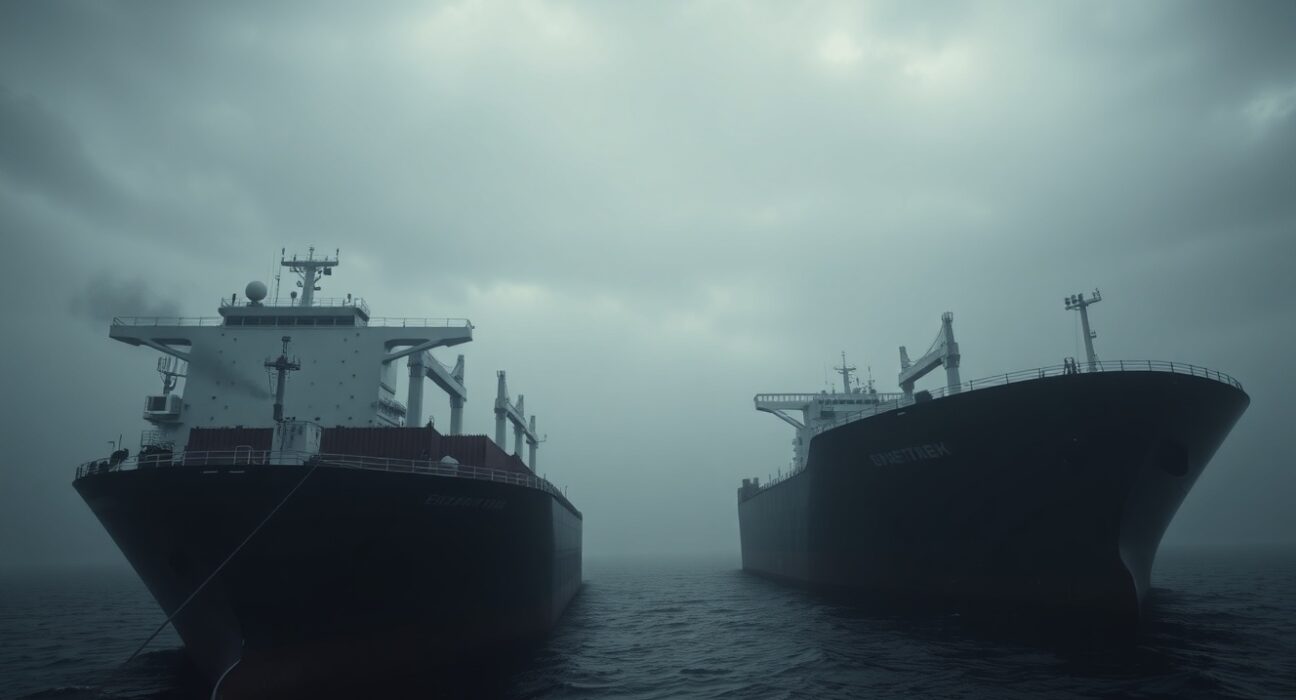
Iranian missiles struck two oil tankers operated by the United Arab Emirates near the strategic Strait of Hormuz on Wednesday, according to a Reuters report citing regional security sources. The attack marks a significant escalation in maritime tensions in one of the world’s most critical oil transit chokepoints.
Details of the Incident
The two tankers, both flagged to the UAE, were reportedly hit while transiting through the narrow waterway that connects the Persian Gulf to the Gulf of Oman. Initial reports indicate that the vessels sustained damage but remained afloat. No casualties have been confirmed, and the crew of both tankers are reportedly safe. The Strait of Hormuz sees roughly 20% of the world’s oil supply pass through its waters daily, making any disruption a major concern for global energy markets.
Regional and Global Implications
This attack comes amid heightened tensions between Iran and Western nations, including the United States and its Gulf allies. The UAE, which has sought to maintain a neutral stance in regional conflicts, now finds its commercial shipping directly targeted. Analysts warn that the incident could lead to increased naval patrols by the US Navy’s Fifth Fleet and potentially trigger retaliatory measures. For global oil markets, the strike has already contributed to a spike in crude prices, as traders factor in the risk of further supply disruptions.
Impact on Oil Markets and Shipping
Shipping insurance premiums for vessels transiting the Strait of Hormuz are expected to rise sharply following the attack. Several major shipping companies may reroute vessels, adding days to transit times and increasing costs. The incident also raises questions about the effectiveness of existing maritime security frameworks in the region. Oil prices, already volatile due to ongoing geopolitical uncertainties, could see sustained upward pressure if the situation escalates.
Conclusion
The reported missile strike on two UAE tankers near the Strait of Hormuz represents a serious development in Middle Eastern geopolitics. While the full details are still emerging, the incident underscores the fragility of maritime security in the region and its direct link to global energy stability. Market participants and regional governments are closely monitoring the situation for further developments.
FAQs
Q1: What exactly happened in the Strait of Hormuz?
According to Reuters, Iranian missiles struck two UAE-flagged oil tankers while they were transiting the strait. The vessels sustained damage, but no casualties have been reported.
Q2: Why is the Strait of Hormuz so important?
The strait is a critical chokepoint through which approximately 20% of the world’s oil passes daily. Any disruption to shipping there can directly impact global oil prices and supply chains.
Q3: How has the market reacted to the news?
Oil prices rose in early trading following the report, as traders priced in the increased geopolitical risk and potential for supply disruptions in the region.
Disclaimer: The information provided is not trading advice, Bitcoinworld.co.in holds no liability for any investments made based on the information provided on this page. We strongly recommend independent research and/or consultation with a qualified professional before making any investment decisions.
