
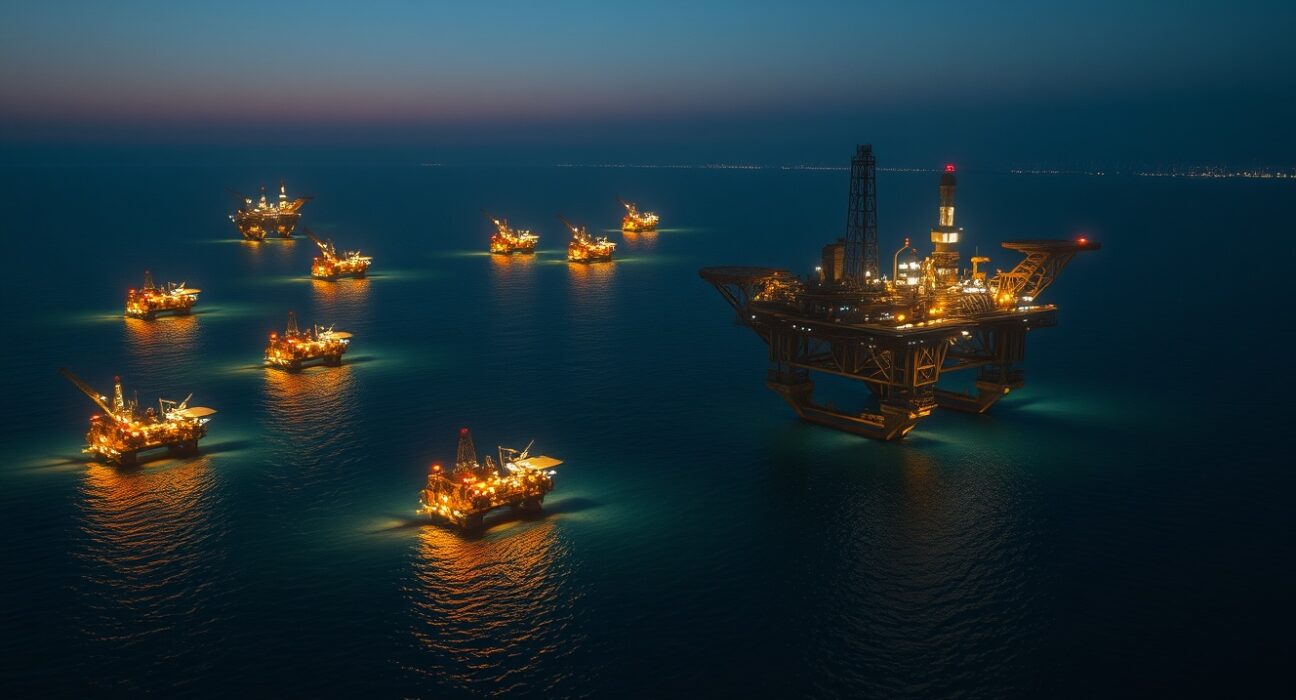
DOHA, QATAR — March 15, 2025: Qatar’s Foreign Ministry issued a stark warning today, characterizing Israel’s reported targeting of Iran’s South Pars gas field as “a dangerous step” with potentially severe regional consequences. This development marks a significant escalation in the long-standing shadow conflict between Israel and Iran, directly threatening one of the world’s largest energy reserves. The statement from Doha reflects growing Gulf Arab concerns about regional stability and energy security amid heightened tensions.
Israel’s Targeting of Iran’s South Pars Gas Field
Reports emerged early Saturday morning indicating Israeli military action against infrastructure at the South Pars/North Dome gas field. This massive offshore reservoir, which Iran shares with Qatar, represents the world’s largest natural gas field. Consequently, any disruption to its operations carries global energy market implications. The alleged strike reportedly targeted specific Iranian-controlled platforms and pipelines in the Persian Gulf. However, official confirmation from Israeli authorities remains absent at this time.
Military analysts note this represents a strategic escalation beyond previous covert operations. Previously, tensions between the two nations primarily involved cyberattacks, proxy conflicts, and targeted strikes on nuclear facilities. Now, directly attacking critical energy infrastructure establishes a dangerous new precedent. Furthermore, the location’s proximity to Qatari territory adds complex diplomatic dimensions to the conflict.
Qatar’s Diplomatic Response and Regional Implications
Qatar’s Foreign Ministry released an official statement expressing “deep concern” about the reported incident. The ministry emphasized that targeting energy installations threatens regional stability and international energy security. Additionally, Qatar called for immediate de-escalation and diplomatic dialogue to prevent further deterioration. As a major gas exporter and mediator in regional conflicts, Qatar’s position carries significant weight.
The statement reflects several strategic concerns for Doha:
- Energy Security: South Pars directly borders Qatar’s North Field, creating physical and operational interdependencies
- Economic Stability: Any major disruption could affect global LNG prices and regional economies
- Diplomatic Balancing: Qatar maintains relations with both Iran and Western allies of Israel
- Regional Escalation: Potential for broader conflict involving multiple Gulf states
Historical Context of Iran-Israel Tensions
The South Pars incident represents the latest chapter in decades of hostility between Iran and Israel. Relations have deteriorated significantly since Iran’s 1979 Islamic Revolution. Subsequently, Israel has consistently opposed Iran’s nuclear program and regional influence. Over the past decade, both nations have engaged in numerous covert operations against each other’s interests. However, direct attacks on critical energy infrastructure represent a notable escalation in tactics and risk assessment.
Previous notable incidents include:
| Year | Incident | Location |
|---|---|---|
| 2020 | Stuxnet cyberattack on Iranian nuclear facilities | Natanz, Iran |
| 2021 | Attack on Iranian cargo ship in Red Sea | International waters |
| 2023 | Drone strike on Iranian military facility | Isfahan, Iran |
| 2024 | Cyberattack on Iranian oil infrastructure | Multiple sites |
Global Energy Market Impact Assessment
The South Pars/North Dome field contains approximately 1,800 trillion cubic feet of natural gas. This represents about 40% of the world’s known gas reserves. Consequently, any sustained disruption could significantly impact global energy markets. Initial market reactions showed Brent crude futures rising 3.2% in early Asian trading. Similarly, European natural gas prices increased by approximately 8% following the news.
Energy analysts identify several potential scenarios:
- Limited Impact: If damage proves minimal and repairs proceed quickly
- Moderate Disruption: Temporary production reduction affecting regional supplies
- Major Crisis: Significant infrastructure damage requiring months of repairs
- Regional Conflict: Escalation affecting multiple Gulf energy facilities
European nations, which have sought alternatives to Russian gas since 2022, remain particularly vulnerable to Persian Gulf supply disruptions. Meanwhile, Asian LNG importers including Japan, South Korea, and China monitor the situation closely for potential supply chain implications.
International Diplomatic Reactions
Beyond Qatar’s statement, several nations and international organizations have responded to the developing situation. The United Nations Secretary-General called for “maximum restraint” and urged all parties to avoid actions that could escalate tensions further. The European Union expressed concern about regional stability and energy security. Meanwhile, the United States State Department acknowledged the reports but declined to comment on operational details.
Regional responses have varied significantly:
- Saudi Arabia: Called for emergency GCC meeting to discuss security implications
- United Arab Emirates: Emphasized importance of maritime security and freedom of navigation
- Oman: Offered mediation services between concerned parties
- Turkey: Expressed concern about regional stability and energy routes
Military and Security Analysis
Security experts note the operational complexity of targeting offshore energy infrastructure. Successful strikes require precise intelligence, specialized munitions, and careful execution to avoid catastrophic environmental damage. The Persian Gulf’s crowded shipping lanes and multiple territorial waters add additional operational challenges. Moreover, Iran maintains substantial naval and air defense capabilities in the region, making such operations particularly risky.
The alleged attack raises several strategic questions:
- What specific capabilities were demonstrated through this operation?
- How will Iran likely respond militarily or through proxies?
- What implications exist for international shipping in the Strait of Hormuz?
- How might this affect security arrangements for other Gulf energy facilities?
Defense analysts suggest Iran may respond through asymmetric means rather than direct confrontation. Potential responses could include cyberattacks on Israeli infrastructure, increased support for proxy groups, or harassment of commercial shipping. However, the Iranian government has not yet issued detailed statements about potential retaliation measures.
Environmental and Safety Concerns
Attacks on offshore energy infrastructure carry significant environmental risks. Natural gas facilities contain volatile hydrocarbons that could cause major fires or explosions if damaged. Additionally, pipeline ruptures could release substantial quantities of methane, a potent greenhouse gas. The Persian Gulf’s relatively shallow waters and sensitive marine ecosystems make environmental protection particularly important.
International environmental organizations have expressed concern about potential damage. Greenpeace Middle East issued a statement warning about “catastrophic environmental consequences” if attacks continue against energy infrastructure. The organization called for all parties to respect international environmental protections during conflicts. Similarly, regional fishing communities worry about potential contamination affecting their livelihoods.
Conclusion
Qatar’s characterization of Israel’s targeting of Iran’s South Pars gas field as “a dangerous step” underscores the incident’s regional significance. This development represents a serious escalation in Iran-Israel hostilities with potential global energy market implications. The situation requires careful diplomatic management to prevent further deterioration. Regional stability, energy security, and environmental protection all hang in the balance as international actors assess appropriate responses. Monitoring developments in the coming days will prove crucial for understanding the long-term implications of this dangerous escalation in Persian Gulf tensions.
FAQs
Q1: What is the South Pars gas field and why is it important?
The South Pars/North Dome gas field is the world’s largest natural gas field, located in the Persian Gulf and shared by Iran and Qatar. It contains approximately 40% of global gas reserves and represents a crucial energy source for both regional and international markets.
Q2: Why did Qatar condemn Israel’s actions specifically?
Qatar condemned the actions because the gas field directly borders its territory, creating security and economic interdependencies. Additionally, Qatar frequently positions itself as a regional mediator and has expressed concern about escalating conflicts that could destabilize the Persian Gulf region.
Q3: How might this incident affect global energy prices?
Initial market reactions showed increases in both oil and natural gas prices. Sustained disruptions could lead to more significant price volatility, particularly affecting European and Asian markets that rely on Persian Gulf energy exports.
Q4: What are the potential environmental risks of attacking offshore gas infrastructure?
Potential risks include major fires, explosions, methane releases (a potent greenhouse gas), and marine contamination. The Persian Gulf’s sensitive ecosystems and relatively shallow waters make environmental protection particularly important.
Q5: How have other regional countries responded to this incident?
Responses have varied, with Saudi Arabia calling for emergency GCC meetings, the UAE emphasizing maritime security, Oman offering mediation, and Turkey expressing concern about regional stability. International organizations including the UN and EU have called for restraint and de-escalation.
Disclaimer: The information provided is not trading advice, Bitcoinworld.co.in holds no liability for any investments made based on the information provided on this page. We strongly recommend independent research and/or consultation with a qualified professional before making any investment decisions.