

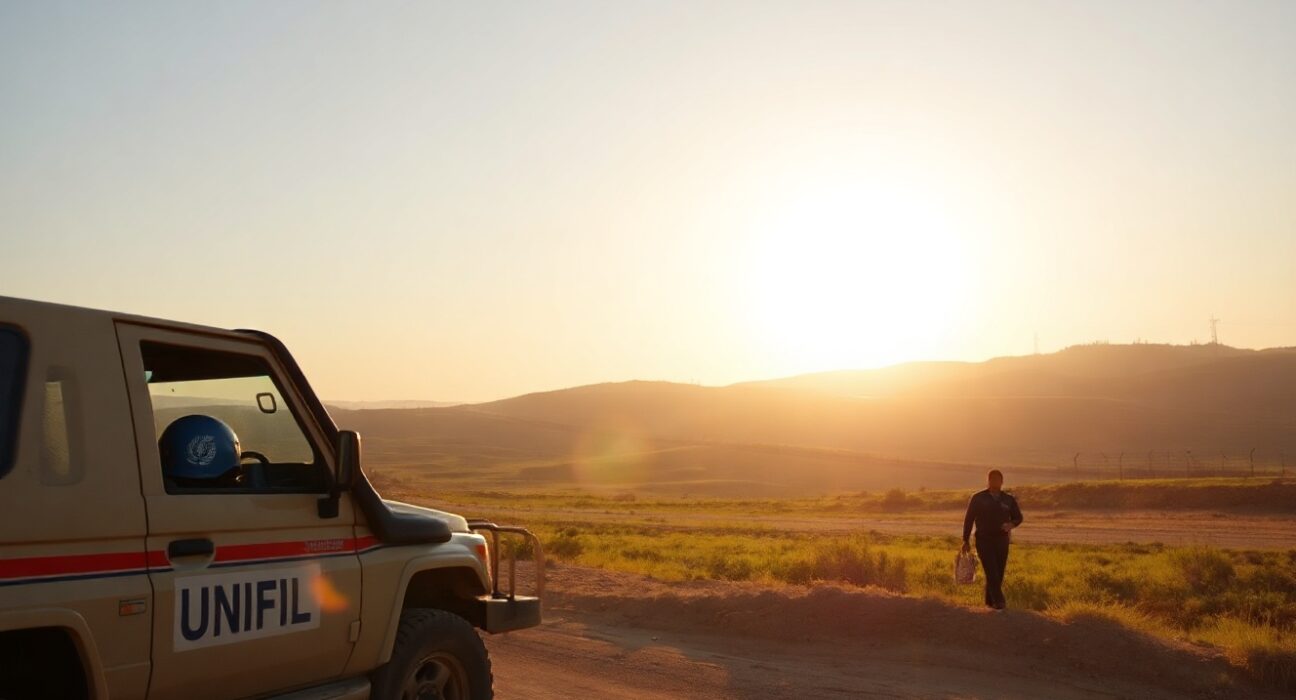
Israel and Lebanon have agreed to renew the ceasefire along their shared border, marking a significant step toward reducing hostilities in a region long defined by conflict. The agreement, confirmed by officials from both sides and mediated by international stakeholders, aims to extend a period of relative calm that began after the 2006 war.
Background of the Ceasefire
The original ceasefire, brokered by the United Nations in 2006, ended 34 days of intense fighting between Israel and Hezbollah. Since then, the border has seen periodic flare-ups, but the underlying framework of UN Security Council Resolution 1701 has largely held. The renewal signals a mutual interest in avoiding escalation amid broader regional instability.
Key Terms of the Renewal
While full details remain under diplomatic wraps, the renewed agreement is understood to include commitments to respect the Blue Line—the UN-demarcated boundary—and to refrain from military activity in sensitive areas. UNIFIL peacekeepers will continue to monitor compliance. Both sides have also agreed to address outstanding issues through a joint military committee, a mechanism that has helped de-escalate tensions in the past.
Why This Matters
For residents of northern Israel and southern Lebanon, the ceasefire renewal means a continued reprieve from rocket fire and airstrikes. For the broader Middle East, it reduces the risk of a multi-front conflict, particularly as tensions remain high elsewhere in the region. The agreement also bolsters the credibility of UN peacekeeping efforts and provides a diplomatic pathway for addressing future disputes.
Conclusion
The renewal of the Israel-Lebanon ceasefire is a pragmatic move by both sides, prioritizing stability over confrontation. While deep-rooted political differences remain, the agreement demonstrates that dialogue and international mediation can still produce tangible results. Continued adherence to the terms will be critical to sustaining peace along this volatile border.
FAQs
Q1: What is the Blue Line?
The Blue Line is the border demarcation set by the United Nations in 2000, following Israel’s withdrawal from southern Lebanon. It serves as the reference line for ceasefire monitoring.
Q2: What role does UNIFIL play?
UNIFIL (United Nations Interim Force in Lebanon) monitors the ceasefire, patrols the border area, and facilitates communication between the Israeli and Lebanese militaries to prevent misunderstandings.
Q3: How long does the renewed ceasefire last?
The duration of the renewal has not been publicly specified, but it is expected to remain in effect indefinitely, subject to periodic review and mutual consent.
Disclaimer: The information provided is not trading advice, Bitcoinworld.co.in holds no liability for any investments made based on the information provided on this page. We strongly recommend independent research and/or consultation with a qualified professional before making any investment decisions.
