

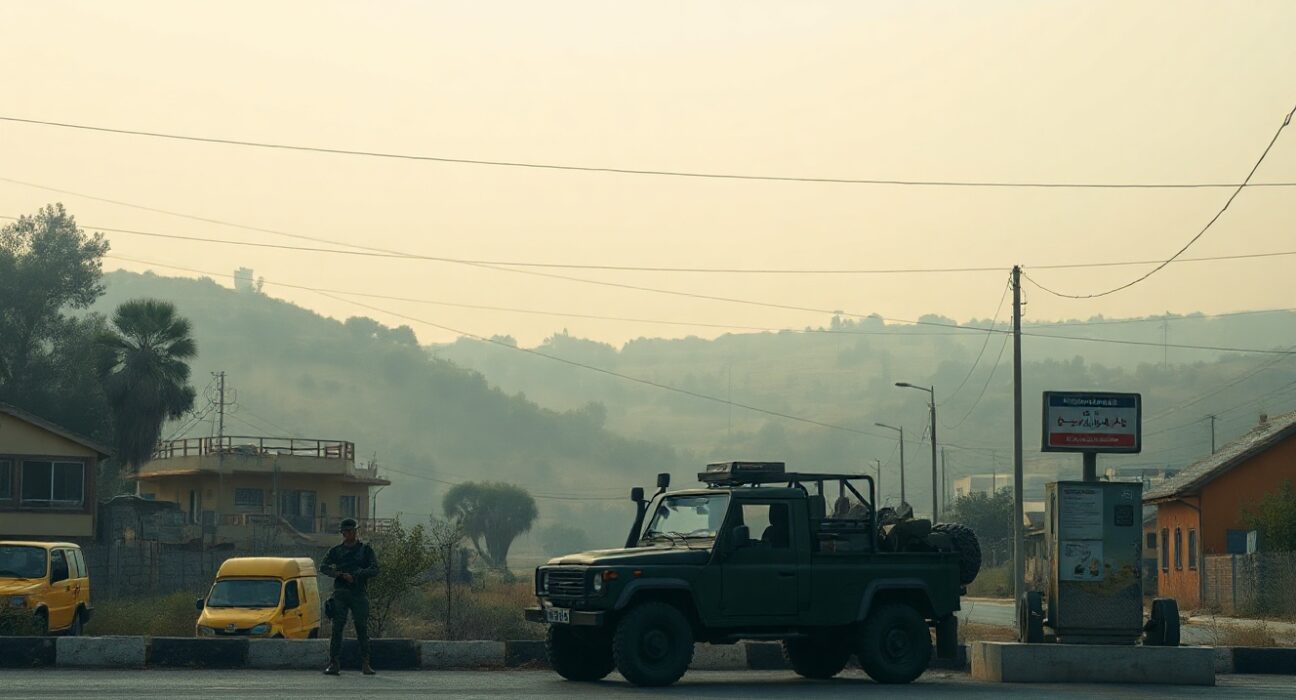
Israeli Prime Minister Benjamin Netanyahu has ordered a ceasefire in Lebanon, according to reports from multiple Israeli media outlets. The announcement marks a significant development in the ongoing military operations along Israel’s northern border, though official details from the government remain limited at this time.
Background and Context
The reported ceasefire order comes after weeks of heightened cross-border hostilities between Israeli forces and Hezbollah militants in southern Lebanon. Since early October, Israel has conducted airstrikes and ground operations targeting Hezbollah positions, while the Iran-backed group has launched rockets and drones into northern Israel, displacing tens of thousands of civilians on both sides of the border.
According to Israeli media sources, the ceasefire directive was communicated to military commanders and is expected to take effect immediately. However, as of the time of reporting, no official statement has been released by the Prime Minister’s Office or the Israel Defense Forces (IDF) confirming the exact terms or duration of the cessation of hostilities.
Regional and International Reactions
The reported ceasefire has drawn cautious responses from international observers. The United States, a key ally of Israel, has repeatedly called for de-escalation in the region. French and United Nations diplomats have also been involved in mediation efforts. Hezbollah has not yet issued an official response to the reported Israeli ceasefire order.
Analysts note that previous ceasefire attempts in the region have been fragile and short-lived. The current situation remains fluid, and the coming hours will be critical in determining whether the ceasefire holds or whether renewed clashes break out.
What This Means for Civilians
For residents of northern Israel and southern Lebanon, the ceasefire offers a potential respite from the daily threat of rocket fire and airstrikes. Many families have been displaced for weeks, living in shelters or with relatives in safer areas. A sustainable ceasefire could allow for the gradual return of civilians and the delivery of humanitarian aid to affected communities.
However, the underlying tensions remain unresolved. The core issues driving the conflict—including Hezbollah’s military presence in southern Lebanon and Israel’s security demands—have not been addressed by the reported ceasefire order alone.
Conclusion
The reported ceasefire order by Prime Minister Netanyahu represents a potentially pivotal moment in the Israel-Lebanon conflict, but significant uncertainty remains. Without official confirmation or a formal agreement, the situation on the ground could change rapidly. This story is developing, and further updates are expected as more information becomes available from Israeli officials and international mediators.
FAQs
Q1: Has the Israeli government officially confirmed the ceasefire order?
As of the latest reports, the ceasefire order has been reported by Israeli media, but the Prime Minister’s Office and the IDF have not yet released an official statement confirming the details.
Q2: What triggered the current conflict between Israel and Lebanon?
The current escalation began in early October following a series of cross-border attacks by Hezbollah, which Israel responded to with airstrikes and ground operations. The conflict is part of a broader regional instability involving Iran-backed groups.
Q3: How long is the ceasefire expected to last?
The duration of the reported ceasefire has not been specified. Previous ceasefires in the region have varied in length and have often been violated within days or weeks. The situation remains highly uncertain.
Disclaimer: The information provided is not trading advice, Bitcoinworld.co.in holds no liability for any investments made based on the information provided on this page. We strongly recommend independent research and/or consultation with a qualified professional before making any investment decisions.
