
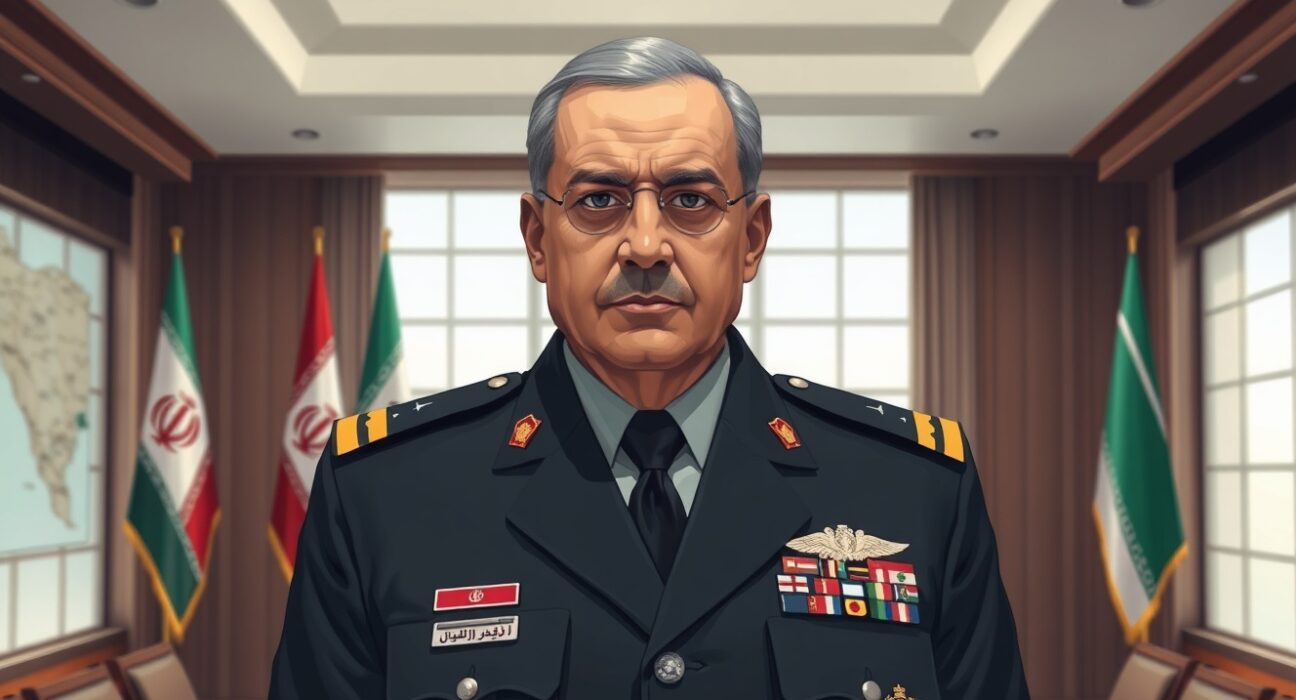
TEHRAN, Iran – Iranian authorities have confirmed that targeted Israeli military strikes resulted in the death of a senior security chief, marking a significant escalation in regional tensions between the two longstanding adversaries. This development represents one of the most direct confrontations in recent years, potentially altering security dynamics across the Middle East. The confirmation came through official Iranian state media channels, which identified the deceased official as a key figure in Iran’s national security apparatus.
Israeli Strikes Target Iranian Security Leadership
The military operation, which Iranian officials attribute to Israel, specifically targeted facilities associated with Iran’s security infrastructure. According to verified reports, the strikes occurred during overnight hours and utilized precision-guided munitions. Consequently, the attack demonstrates sophisticated intelligence capabilities and strategic planning. The targeted security chief held responsibilities for coordinating regional security operations and maintaining internal stability.
Regional analysts immediately noted the operation’s timing and methodology. Furthermore, the strike’s precision suggests extensive surveillance and intelligence gathering preceded the military action. Security experts have documented similar patterns in previous regional operations, though this incident represents a notable escalation in targeting senior leadership figures.
Geopolitical Context of Iran-Israel Tensions
The longstanding conflict between Iran and Israel has evolved through multiple phases over decades. Historically, tensions have centered on several key issues:
- Nuclear program concerns: International monitoring of Iran’s nuclear activities
- Regional proxy conflicts: Support for various militant groups across the Middle East
- Security threats: Mutual accusations of espionage and sabotage operations
- Economic sanctions: International restrictions affecting Iran’s economy
Recent months have witnessed increased military posturing from both nations. Additionally, diplomatic efforts to ease tensions have yielded limited results. The current incident therefore occurs within a context of deteriorating relations and reduced communication channels between the two governments.
Military Strategy Analysis
Security analysts have examined the operational details emerging from various sources. The strike pattern indicates careful planning to minimize collateral damage while achieving specific objectives. Military experts note several strategic considerations evident in this operation:
| Strategic Element | Analysis |
|---|---|
| Target Selection | Focus on leadership rather than infrastructure |
| Timing | Night operation suggesting surprise element |
| Weapon Systems | Likely precision-guided munitions based on damage assessment |
| Intelligence Requirements | Extensive surveillance preceding operation |
This approach differs from previous engagements in both scale and targeting methodology. Moreover, the operation’s success depends heavily on real-time intelligence and rapid decision-making processes.
Regional Security Implications
The elimination of a senior Iranian security official carries significant implications for Middle Eastern stability. Neighboring countries have expressed concern about potential retaliation and escalating violence. Regional security forces have consequently increased alert levels along multiple borders. International observers worry about broader conflict involving proxy forces across the region.
Several immediate consequences have emerged following the confirmation:
- Increased military readiness: Iranian forces have heightened defensive postures
- Diplomatic responses: Regional consultations among neighboring states
- Economic impacts: Oil markets showing volatility following the news
- Security reassessments: Allied nations reviewing protection measures
Furthermore, the incident may influence ongoing negotiations regarding regional security arrangements. Multiple diplomatic initiatives now face additional complications due to heightened tensions.
Historical Precedents and Escalation Patterns
Previous confrontations between Iran and Israel have followed identifiable escalation patterns. Historical analysis reveals that targeted operations against leadership figures often prompt significant policy shifts. Security researchers have documented similar incidents in recent years, though with varying outcomes. The current situation appears more severe due to the target’s seniority and the operation’s precision.
Comparative data shows that leadership targeting represents an escalation from infrastructure attacks. Additionally, the public confirmation by Iranian authorities indicates a strategic decision regarding information management. Previous incidents sometimes involved delayed acknowledgments or ambiguous attributions.
International Response and Diplomatic Channels
Global reactions have varied significantly among major powers. The United Nations has called for restraint from all parties involved. Meanwhile, regional organizations have initiated emergency consultations. Diplomatic channels remain active despite the military escalation, though progress appears limited.
Key international stakeholders have adopted distinct positions:
- United States: Monitoring developments closely, emphasizing de-escalation
- European Union: Expressing concern, offering mediation support
- Regional Arab states: Calling for calm, concerned about spillover effects
- Russia: Urging dialogue, maintaining relationships with both parties
These varied responses reflect complex international relationships with both Iran and Israel. Consequently, coordinated international action faces significant challenges.
Conclusion
The confirmed Israeli strikes resulting in the death of Iran’s top security chief represent a dangerous escalation in Middle Eastern tensions. This development alters regional security calculations and introduces new uncertainties. The operation demonstrates sophisticated military capabilities while raising concerns about retaliatory actions. Regional stability now faces significant tests as diplomatic efforts confront heightened military tensions. The international community must navigate carefully to prevent broader conflict while addressing legitimate security concerns. Ultimately, this incident underscores the volatile nature of Iran-Israel relations and the persistent challenges of Middle Eastern security dynamics.
FAQs
Q1: Who was the Iranian security chief killed in the Israeli strikes?
The Iranian official was a senior figure in Iran’s national security apparatus responsible for coordinating regional security operations and internal stability measures. Iranian state media confirmed his position and death but has not released additional personal details pending family notifications.
Q2: What makes these Israeli strikes different from previous operations?
These strikes represent an escalation through their specific targeting of senior leadership rather than infrastructure or proxy forces. The operation’s precision and the target’s seniority distinguish it from previous engagements, suggesting evolved military strategies and intelligence capabilities.
Q3: How might Iran respond to these Israeli strikes?
Security analysts suggest multiple possible responses including direct military retaliation, increased support for proxy forces, cyber operations, or diplomatic escalation. Iran’s historical responses to similar incidents have varied based on strategic calculations and international pressure.
Q4: What are the immediate regional security implications?
Neighboring countries have increased military alert levels and border security. Oil markets have shown volatility, and diplomatic initiatives face complications. Regional stability concerns have intensified among governments monitoring potential spillover effects.
Q5: How are international organizations responding to this escalation?
The United Nations has called for restraint and dialogue. Regional organizations have initiated emergency consultations. Major powers have expressed varying positions, with most emphasizing de-escalation while maintaining existing relationships with the involved parties.
Disclaimer: The information provided is not trading advice, Bitcoinworld.co.in holds no liability for any investments made based on the information provided on this page. We strongly recommend independent research and/or consultation with a qualified professional before making any investment decisions.