
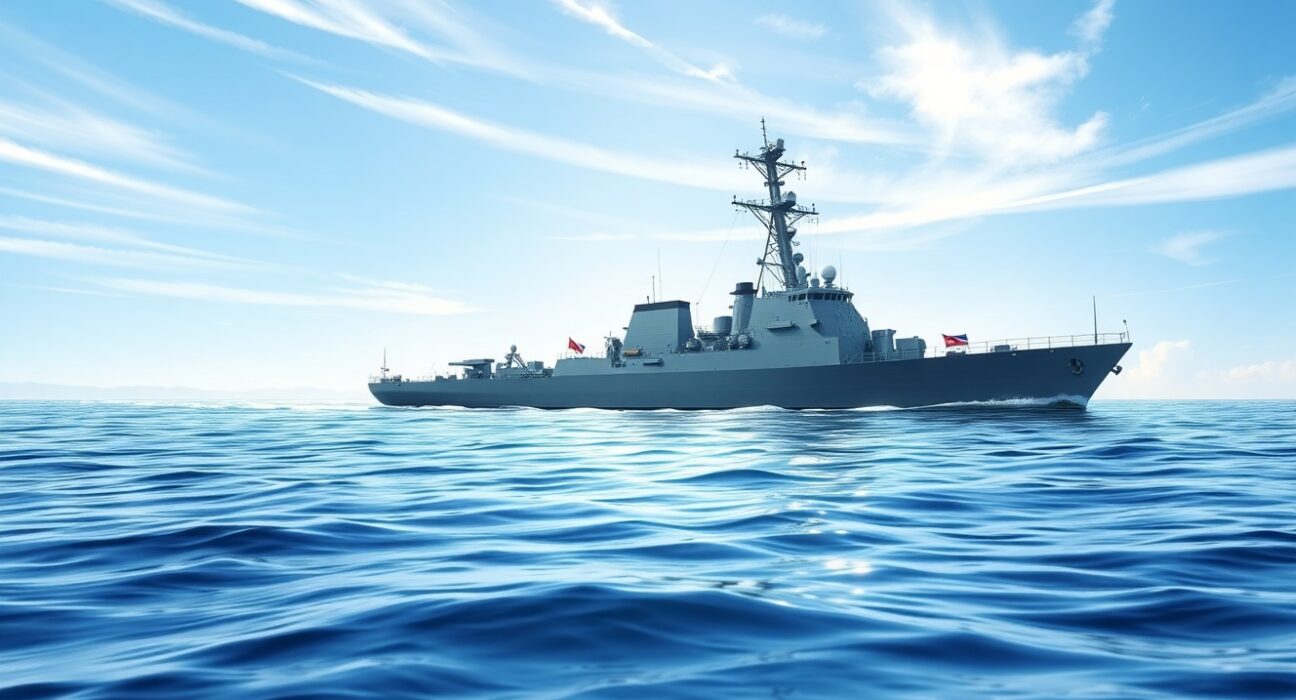
TOKYO, Japan – In a definitive statement addressing regional security concerns, Japanese Prime Minister Sana Takaichi has clarified that her government currently has no plans to dispatch naval forces to the Middle East for the purpose of escorting commercial vessels. This announcement, made during a press briefing on March 15, 2025, provides crucial insight into Japan’s evolving strategic posture amidst persistent volatility in key global shipping lanes. Consequently, the decision underscores a careful balancing act between national security interests, international diplomacy, and constitutional constraints.
Japan’s Calculated Maritime Security Stance
Prime Minister Takaichi’s declaration directly addresses months of speculation regarding a potential Japanese naval role in securing the Strait of Hormuz and Bab el-Mandeb. These waterways are vital arteries for global energy supplies, including to Japan, which remains heavily dependent on Middle Eastern oil and liquefied natural gas (LNG). However, the government’s position reflects a multi-layered strategic assessment. Firstly, Japan maintains a longstanding policy of proactive pacifism, guided by its war-renouncing constitution. Secondly, deploying combat vessels for escort duties represents a significant escalation in military posture that requires extensive political and public consensus.
Furthermore, Japan already participates in maritime security through non-combat means. For instance, the Japan Maritime Self-Defense Force (JMSDF) has previously conducted information-gathering missions in the region. Additionally, Japan provides capacity-building support to coastal nations. This existing framework allows Tokyo to contribute to stability without crossing the threshold of direct, armed escort operations. Therefore, the current “no plan” status is not a retreat from engagement but a continuation of a measured, legally-circumspect approach.
Context of Regional Tensions and Global Responses
The Prime Minister’s statement arrives against a backdrop of sustained threats to commercial shipping. Attacks on vessels, often linked to regional geopolitical conflicts, have periodically spiked insurance costs and disrupted trade flows. In response, several nations have formed naval coalitions, such as the U.S.-led Combined Maritime Forces (CMF) and the European Union’s Operation Agenor. The table below outlines key international naval presences in the region as of early 2025:
| Country/Coalition | Mission Focus | Typical Assets |
|---|---|---|
| United States (CMF) | Broad maritime security, counter-terrorism | Destroyers, Carrier Strike Groups |
| European Union (Operation Agenor) | Ensuring freedom of navigation, escort | Frigates, Surveillance Aircraft |
| United Kingdom (Operation Kipion) | Maritime security in the Gulf | Destroyers, Mine Hunters |
| India | Anti-piracy, security of Indian-flagged vessels | Destroyers, Patrol Vessels |
Japan’s decision to refrain from joining these escort-focused taskforces highlights its unique diplomatic calculus. As a nation that maintains working relationships with all sides in the complex Middle East, Tokyo prioritizes its role as a neutral diplomatic player and development partner. A direct military deployment could complicate these delicate relationships. Moreover, the JMSDF’s primary operational focus remains on the Indo-Pacific, particularly in response to challenges in the East and South China Seas.
Expert Analysis on Defense and Diplomacy
Security analysts point to several concrete factors behind Japan’s stance. Dr. Ken Jimbo, a professor of international security at Keio University, notes, “The legal and political hurdles for a full escort mission are substantial. Any use of force for defense of third-party vessels would require a new interpretation of the Self-Defense Forces’ mandate or new legislation, which is politically contentious.” Instead, experts suggest Japan is likely to enhance its contribution through alternative channels:
- Enhanced Surveillance: Increasing P-3C Orion or P-1 patrol aircraft deployments for domain awareness.
- Diplomatic Outreach: Leveraging its economic ties to mediate and de-escalate regional conflicts.
- Capacity Building: Expanding training and equipment provision for coast guards in Oman, Saudi Arabia, and Djibouti.
- Port Security Cooperation: Working with regional partners to secure port infrastructure.
This approach allows Japan to fulfill its responsibility as a major stakeholder in maritime security while adhering to its constitutional principles. It also mitigates risks of entanglement in direct conflict. The economic imperative is clear; according to Japan’s Ministry of Economy, Trade and Industry, over 90% of its crude oil imports transit through the Strait of Hormuz. Therefore, stability is paramount, but the chosen tools are deliberately selective.
Conclusion
Prime Minister Sana Takaichi’s confirmation that Japan has no current plan to dispatch its navy for Middle East escort duties is a significant foreign policy marker. It reflects a strategic choice to prioritize diplomatic, developmental, and surveillance-based contributions over direct military deployment. This decision is rooted in Japan’s constitutional framework, its desire to maintain balanced regional relationships, and a calculated assessment of risk. While the situation remains fluid, Japan’s stance underscores a commitment to proactive pacifism, ensuring the nation protects its vital economic interests without compromising its foundational legal principles. The international community will continue to watch how Japan’s nuanced maritime security policy evolves in response to future challenges in the Middle East.
FAQs
Q1: What did Prime Minister Takaichi specifically say about Japan’s navy and the Middle East?
Prime Minister Takaichi stated clearly that her government currently has no plans to dispatch the Japan Maritime Self-Defense Force (JMSDF) to the Middle East for the mission of escorting commercial vessels through contested waterways.
Q2: Why is the Middle East so important to Japan’s security policy?
The Middle East is critically important because it is the source of the vast majority of Japan’s oil and liquefied natural gas (LNG) imports. The Strait of Hormuz is a vital chokepoint for these energy supplies, making regional stability a direct national interest.
Q3: Has Japan’s navy been active in the Middle East before?
Yes, but in non-combat roles. Following legislation in 2009, the JMSDF conducted refueling missions in the Indian Ocean in support of anti-terrorism operations. It has also deployed destroyers and patrol aircraft for information-gathering and surveillance missions to ensure the safety of shipping.
Q4: What are the main legal constraints on Japan sending its navy on escort missions?
Japan’s post-war constitution, particularly Article 9, renounces the right to wage war and maintain war potential. Using military force for collective defense—like escorting foreign vessels—has historically been restricted. Any such mission would require a robust legal justification under Japan’s evolving interpretations of self-defense.
Q5: How is Japan contributing to Middle East maritime security if not through escort missions?
Japan contributes through diplomatic efforts, development aid, and capacity-building for regional coast guards. It also shares maritime surveillance information and participates in international dialogues focused on enhancing the safety and freedom of navigation.
Disclaimer: The information provided is not trading advice, Bitcoinworld.co.in holds no liability for any investments made based on the information provided on this page. We strongly recommend independent research and/or consultation with a qualified professional before making any investment decisions.