

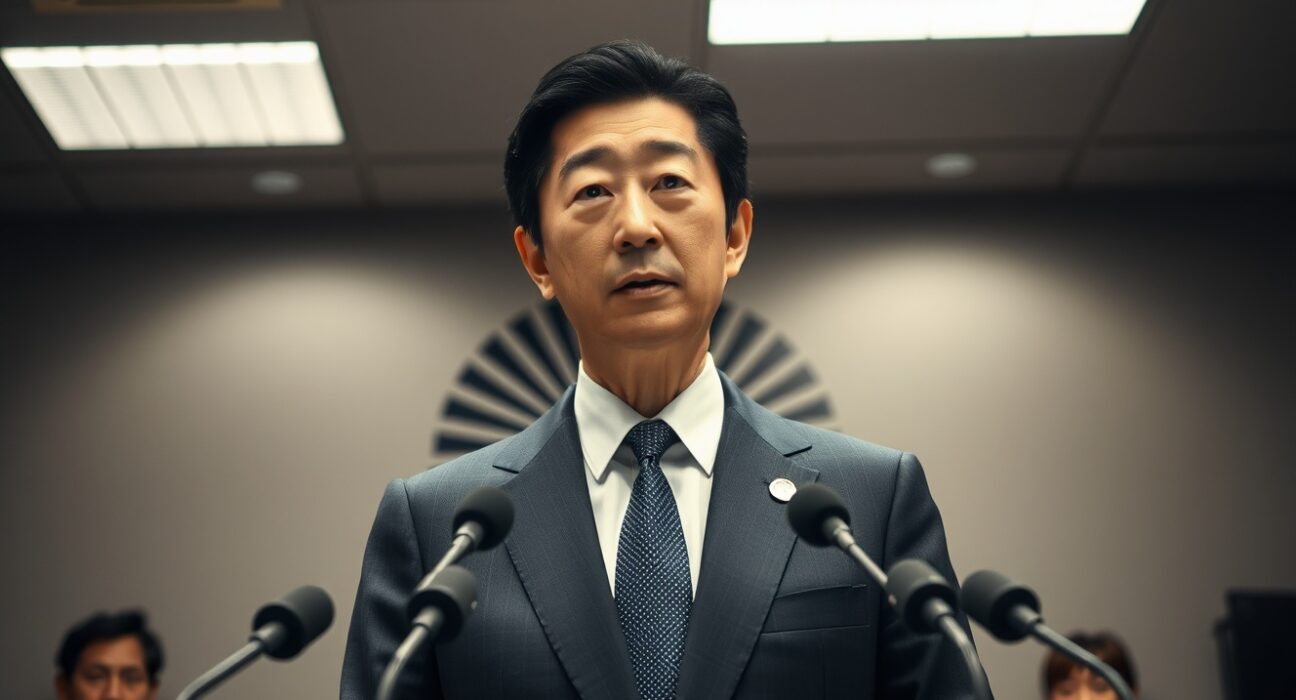
Japanese Prime Minister Takaichi has stated that the impact of new government debt issuance will be offset by anticipated increases in tax revenue, signaling a pragmatic approach to fiscal management amid ongoing economic pressures. The remarks come as Japan continues to navigate post-pandemic recovery and rising public spending needs.
Fiscal Strategy and Rationale
Speaking to reporters, Takaichi emphasized that the government’s borrowing plans are not a sign of fiscal recklessness but are backed by projections of stronger tax collections. Japan’s tax revenue has been on an upward trend, supported by corporate earnings growth and a gradual recovery in consumption. The Prime Minister’s comments aim to reassure markets and the public that debt accumulation remains within manageable parameters.
Japan’s public debt is among the highest in the world, exceeding 250% of GDP. However, a large portion is held domestically, reducing immediate refinancing risks. Takaichi’s framing of new debt as ‘offset’ by revenue growth is a departure from more cautious fiscal rhetoric seen in previous administrations.
Market and Economic Implications
The statement has drawn attention from economists and bond market participants. If tax revenue indeed rises in line with government forecasts, it could ease concerns about Japan’s long-term debt sustainability. However, skeptics point to demographic headwinds—an aging population and shrinking workforce—that may limit future revenue growth.
For investors, the key question is whether Japan can maintain investor confidence without resorting to aggressive monetary easing or austerity measures. The Bank of Japan’s policy stance remains accommodative, but any shift in fiscal credibility could influence bond yields and the yen’s value.
What This Means for Taxpayers and Businesses
For Japanese citizens and businesses, Takaichi’s approach suggests that the government will rely on economic growth rather than immediate spending cuts to balance the books. This could mean continued support for social programs and infrastructure, but also potential tax increases down the line if revenue projections fall short.
Businesses may view the policy as stability-enhancing in the short term, but long-term planning remains complicated by the lack of a concrete debt reduction timeline.
Conclusion
Prime Minister Takaichi’s assertion that new debt will be offset by higher tax revenue represents a calculated bet on Japan’s economic recovery. While the logic is sound in theory, execution depends on sustained growth and disciplined fiscal management. Markets will be watching upcoming budget details and tax collection data closely for confirmation of this outlook.
FAQs
Q1: How does Japan plan to offset new debt with tax revenue?
The government expects higher corporate and consumption tax collections driven by economic recovery to cover the costs of new borrowing, effectively neutralizing the net increase in debt burden.
Q2: Is Japan’s debt level a cause for concern?
Japan’s debt-to-GDP ratio is very high by international standards, but most debt is held domestically, and the country benefits from low interest rates. The risk is manageable in the near term but requires careful monitoring.
Q3: What could go wrong with this fiscal strategy?
If tax revenue growth falls short due to an economic downturn or demographic trends, the government may face pressure to cut spending or raise taxes, which could slow growth and reduce public confidence.
Disclaimer: The information provided is not trading advice, Bitcoinworld.co.in holds no liability for any investments made based on the information provided on this page. We strongly recommend independent research and/or consultation with a qualified professional before making any investment decisions.
