

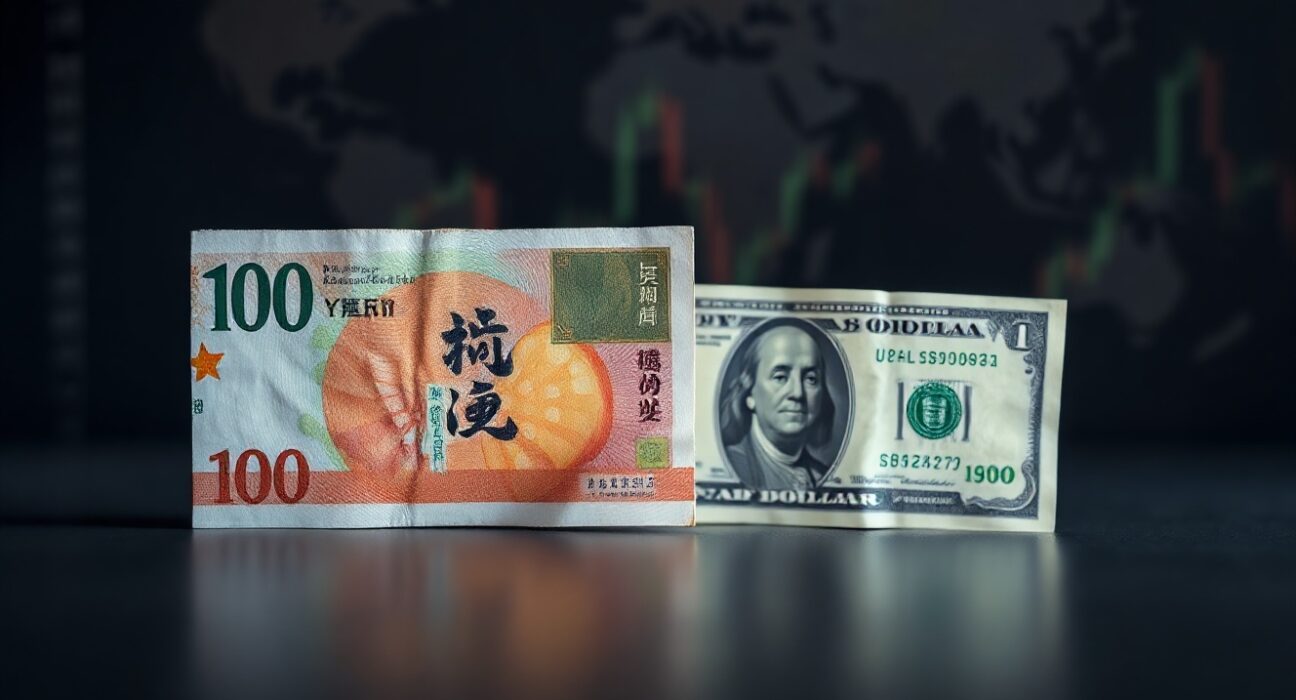
The Japanese yen extended its decline against the US dollar on Wednesday, retreating despite verbal warnings from Japanese officials about potential intervention. The dollar found broad support as traders recalibrated expectations for Federal Reserve interest rate hikes and as escalating geopolitical tensions in the Middle East, particularly involving Iran, fueled demand for the greenback as a safe haven.
Fed Rate Hike Expectations Weigh on Yen
The primary driver behind the yen’s weakness remains the widening interest rate differential between Japan and the United States. Recent comments from Federal Reserve officials have pushed back against market expectations for imminent rate cuts, with some policymakers signaling the possibility of further tightening if inflation remains stubborn. This has lifted US Treasury yields, making dollar-denominated assets more attractive and increasing the opportunity cost of holding low-yielding currencies like the yen.
Market pricing now reflects a higher probability of a rate hike at the Fed’s next meeting, a stark contrast to the Bank of Japan’s commitment to its ultra-loose monetary policy. This policy divergence continues to exert downward pressure on the yen, which has lost significant ground against the dollar over the past year.
Geopolitical Risk Bolsters Dollar Demand
Adding to the dollar’s strength are rising geopolitical risks. Heightened tensions between Iran and Western powers, alongside ongoing conflicts in other regions, have increased risk aversion among investors. The US dollar, traditionally viewed as a safe-haven currency during times of global uncertainty, has benefited from this flight to safety.
“The combination of hawkish Fed rhetoric and geopolitical instability is creating a powerful tailwind for the dollar,” said a market analyst. “Traders are pricing in a higher-for-longer rate environment in the US, while seeking refuge from global uncertainties. This is a challenging environment for the yen.”
Intervention Warnings Largely Ignored
Japanese authorities, including Finance Minister Shunichi Suzuki and top currency diplomat Masato Kanda, have issued repeated warnings about excessive currency volatility and have hinted at the possibility of direct intervention in the forex market. However, these verbal warnings have so far failed to stem the yen’s slide. Traders appear to be testing the resolve of the Bank of Japan, betting that the fundamental drivers of yen weakness will persist.
The effectiveness of any potential intervention remains a subject of debate. While Japan intervened in the currency market in late 2022 to support the yen, the impact was temporary. The current macroeconomic backdrop, characterized by persistent US inflation and a resilient American economy, suggests that any intervention would face strong headwinds.
What This Means for Traders and the Economy
The continued depreciation of the yen has significant implications. For Japanese exporters, a weaker yen boosts the value of overseas profits when repatriated. However, it also raises the cost of imported energy and raw materials, contributing to inflationary pressures in Japan. For global forex traders, the USD/JPY pair remains a key barometer of risk sentiment and interest rate expectations.
The path ahead hinges on upcoming economic data, particularly US inflation figures and employment reports, which will shape Fed policy. Any shift in the Bank of Japan’s stance, though considered unlikely in the near term, would be a major catalyst for the yen.
Conclusion
The Japanese yen is under sustained pressure from a potent mix of Federal Reserve hawkishness and geopolitical risk aversion. While Japanese officials maintain a state of high alert and threaten intervention, the fundamental forces driving the dollar higher appear dominant for now. The market will closely watch for any actual intervention or a significant change in the macroeconomic landscape that could alter the trajectory of this key currency pair.
FAQs
Q1: Why is the Japanese yen falling?
The yen is falling primarily due to the wide interest rate gap between Japan and the US. The Federal Reserve is expected to keep rates high or even hike again, while the Bank of Japan maintains ultra-low rates, making the dollar more attractive.
Q2: Will Japan intervene to support the yen?
Japanese officials have warned they are prepared to intervene. However, intervention is seen as a short-term fix. Its effectiveness is limited unless it is backed by a change in monetary policy or a shift in the fundamental economic drivers.
Q3: How do Iran tensions affect the US dollar?
Geopolitical tensions, such as those involving Iran, increase global uncertainty. Investors often sell riskier assets and buy the US dollar, which is considered a safe-haven currency, boosting its value against other currencies like the yen.
Disclaimer: The information provided is not trading advice, Bitcoinworld.co.in holds no liability for any investments made based on the information provided on this page. We strongly recommend independent research and/or consultation with a qualified professional before making any investment decisions.
