

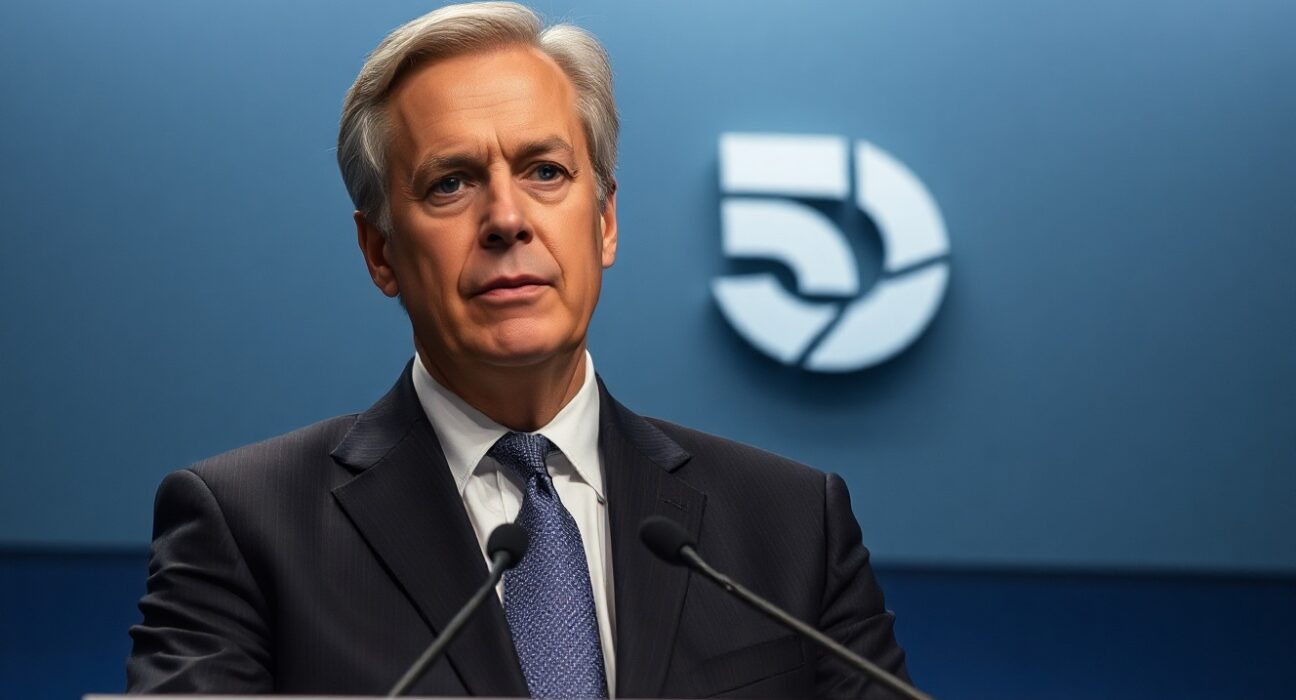
JPMorgan Chase CEO Jamie Dimon has publicly declared his opposition to the current draft of the Clarity Act, a proposed U.S. crypto regulation bill, and directly criticized Coinbase CEO Brian Armstrong for what Dimon described as aggressive lobbying efforts. In an interview with Fox Business, Dimon argued that the legislation would allow cryptocurrency firms to pay interest on deposits and stablecoins without adequate safeguards, posing risks to the financial system.
Dimon’s Core Objections to the Clarity Act
Dimon stated that the Clarity Act, in its current form, fails to properly address critical Anti-Money Laundering (AML) and Bank Secrecy Act (BSA) requirements. He emphasized that the bill offers ‘almost no legal protections’ for consumers and the broader banking ecosystem. The JPMorgan chief stressed that major banks, including his own, will actively fight the legislation unless significant amendments are made to strengthen oversight and compliance measures.
Clash with Coinbase CEO Brian Armstrong
Dimon took direct aim at Coinbase CEO Brian Armstrong, accusing him of spending hundreds of millions of dollars in Washington D.C. to push the bill through Congress. ‘No one is going to yield to him,’ Dimon said, adding that Armstrong speaks ‘total nonsense’ on the matter. This public rebuke highlights the deepening rift between traditional banking leaders and prominent figures in the cryptocurrency industry, particularly over how digital assets should be regulated.
Why This Matters for the Crypto Industry
The Clarity Act is seen by many in the crypto sector as a crucial step toward providing regulatory clarity for stablecoins and digital asset deposits. However, opposition from powerful banking figures like Dimon signals a protracted legislative battle. The outcome will have significant implications for how crypto firms operate in the U.S., including their ability to offer interest-bearing accounts and stablecoin products. The debate also underscores the ongoing tension between innovation in decentralized finance and the established financial system’s focus on risk management and consumer protection.
Conclusion
Jamie Dimon’s strong stance against the Clarity Act and his personal criticism of Brian Armstrong underscore the high stakes in the ongoing regulatory debate over cryptocurrency in the United States. As the bill moves through Congress, the clash between traditional banking and crypto advocates is likely to intensify, with the final legislation shaping the future of digital asset regulation for years to come.
FAQs
Q1: What is the Clarity Act?
The Clarity Act is a proposed U.S. bill aimed at providing a regulatory framework for cryptocurrency, particularly stablecoins and digital asset deposits. It seeks to define how crypto firms can operate under federal law.
Q2: Why does Jamie Dimon oppose the Clarity Act?
Dimon argues the bill lacks sufficient safeguards for Anti-Money Laundering (AML) and Bank Secrecy Act (BSA) compliance, and that it offers inadequate legal protections for consumers and the banking system.
Q3: What is the significance of Dimon’s criticism of Brian Armstrong?
It highlights a major conflict between traditional banking leadership and the crypto industry over regulatory influence. Dimon accuses Armstrong of using substantial financial resources to lobby for favorable legislation, which Dimon views as risky.
Disclaimer: The information provided is not trading advice, Bitcoinworld.co.in holds no liability for any investments made based on the information provided on this page. We strongly recommend independent research and/or consultation with a qualified professional before making any investment decisions.
