

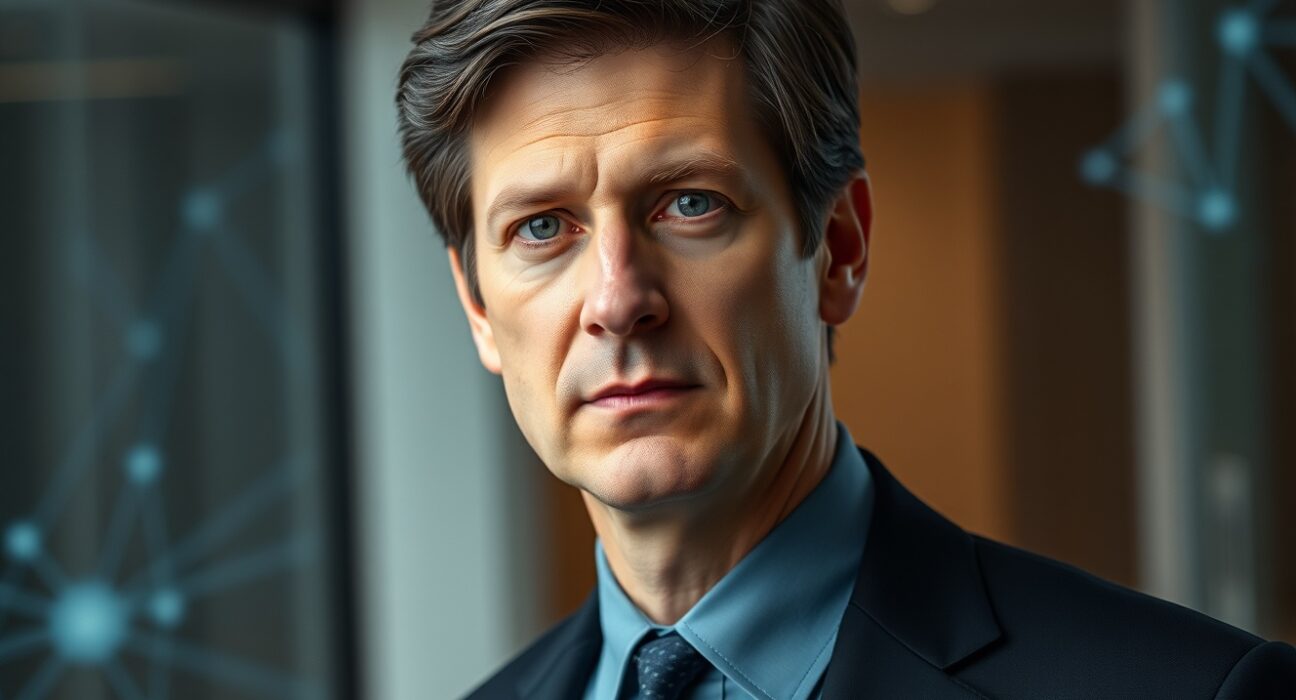
WASHINGTON, D.C. – March 2025: Federal Reserve Chair nominee Kevin Warsh maintains substantial early-stage investments across multiple cryptocurrency infrastructure projects, according to recently disclosed financial records analyzed by financial journalists. This revelation comes during a critical confirmation period for the former Federal Reserve governor, whose potential leadership of the central bank could significantly influence digital asset regulation and monetary policy approaches toward blockchain technologies.
Kevin Warsh’s Crypto Infrastructure Portfolio Details
Financial disclosure documents reveal Warsh’s venture capital-style investments span several key sectors within the cryptocurrency ecosystem. His portfolio includes positions in:
- Compound Finance: A leading decentralized lending protocol enabling users to borrow and lend cryptocurrencies without traditional intermediaries
- Optimism: An Ethereum Layer 2 scaling solution using optimistic rollup technology to reduce transaction costs and increase throughput
- Blast: Another Ethereum Layer 2 network focusing on native yield generation for deposited assets
- Solana: A high-performance blockchain platform competing with Ethereum for decentralized application development
Additionally, Warsh holds stakes in cryptocurrency trading infrastructure providers, digital asset investment firms, artificial intelligence platforms, and biotechnology companies. These investments appear primarily through venture capital funds rather than direct liquid asset holdings, according to analysis by Eleanor Terrett, host of Crypto in America, who first reported the findings on social media platform X.
Understanding the Regulatory Context
The timing of these disclosures coincides with increasing regulatory scrutiny of cryptocurrency markets globally. As a potential Federal Reserve Chair, Warsh would oversee monetary policy implementation and financial system stability assessments. His investment positions in blockchain infrastructure raise important questions about potential conflicts of interest and regulatory perspectives.
Historical Precedents and Comparisons
Previous Federal Reserve officials have maintained diverse investment portfolios, but cryptocurrency exposure represents a relatively new development. Former Chair Ben Bernanke, for instance, primarily held traditional assets like Treasury securities and mutual funds during his tenure. Current Chair Jerome Powell’s disclosures show no direct cryptocurrency holdings, though his family trust reportedly includes some exposure to blockchain-related companies through diversified funds.
| Official | Primary Investment Types | Crypto Exposure |
|---|---|---|
| Ben Bernanke | Treasuries, Mutual Funds | None reported |
| Janet Yellen | Traditional equities, Bonds | Minimal through diversified funds |
| Jerome Powell | Index funds, Municipal bonds | Indirect through family trust |
| Kevin Warsh | Venture capital, Tech startups | Direct crypto infrastructure investments |
Investment Structure and Scale Analysis
Financial experts note these investments appear structured as venture capital allocations rather than direct cryptocurrency purchases. This distinction matters significantly for regulatory and ethical considerations. Venture investments typically involve:
- Illiquid positions in private companies
- Long-term holding periods measured in years
- Higher risk profiles than public market investments
- Potential for complete loss of capital
Terrett’s analysis suggests Warsh’s cryptocurrency-related allocations represent a meaningful portion of his overall investment portfolio, though exact percentages remain undisclosed. The investments generate minimal current income, characteristic of early-stage technology ventures focused on growth rather than profitability.
Potential Implications for Federal Reserve Policy
Warsh’s confirmation hearings before the Senate Banking Committee will likely address these investment disclosures extensively. Committee members may question how his personal financial interests in cryptocurrency infrastructure could influence his policy perspectives on several critical issues:
First, the Federal Reserve’s approach to central bank digital currency development requires careful consideration. Second, banking regulation concerning cryptocurrency custody and services demands consistent oversight. Third, monetary policy transmission mechanisms through digital asset markets need ongoing monitoring.
Expert Perspectives on the Situation
Former Securities and Exchange Commission officials emphasize the importance of transparency in such situations. “Financial disclosures serve the public interest by revealing potential conflicts,” notes Sarah Johnson, a former SEC enforcement attorney now teaching at Georgetown Law. “The key question becomes whether these investments create actual conflicts or merely the appearance of conflicts that could undermine public confidence.”
Cryptocurrency industry analysts offer mixed reactions. Some view Warsh’s investments as positive signals about institutional acceptance of blockchain technology. Others express concern about regulatory capture risks if officials maintain significant financial stakes in industries they oversee.
Broader Context: Crypto Infrastructure Development
The specific projects in Warsh’s portfolio represent important segments of the evolving cryptocurrency ecosystem. Compound Finance pioneered decentralized lending markets, while Optimism and Blast address Ethereum’s scalability challenges. Solana offers an alternative architecture emphasizing transaction speed and low costs.
These infrastructure investments differ fundamentally from speculative cryptocurrency trading. They represent bets on the underlying technological platforms that could support future financial systems. This distinction may influence how regulators and policymakers evaluate the portfolio’s significance.
Conclusion
Kevin Warsh’s cryptocurrency infrastructure investments reveal substantial exposure to blockchain technology development at a pivotal moment for both digital asset regulation and Federal Reserve leadership. The disclosure raises important questions about regulatory perspectives, potential conflicts of interest, and the evolving relationship between traditional financial authorities and emerging technologies. As confirmation proceedings advance, these investment positions will likely receive detailed scrutiny from lawmakers, regulators, and the public interested in the future direction of monetary policy and financial system oversight.
FAQs
Q1: What specific cryptocurrency projects does Kevin Warsh invest in?
Warsh’s disclosed investments include Compound Finance (DeFi lending), Optimism and Blast (Ethereum Layer 2 solutions), and Solana blockchain, along with cryptocurrency trading infrastructure and investment firms.
Q2: How significant are these investments relative to his overall portfolio?
While exact percentages remain undisclosed, financial analysts describe the cryptocurrency allocation as “significant” based on the diversity of projects and their representation within his venture capital investments.
Q3: Do these investments create a conflict of interest for a potential Fed Chair?
Experts debate this question, with some noting the investments create at least the appearance of potential conflicts that Senate confirmation hearings will likely explore in detail regarding regulatory perspectives.
Q4: How do Warsh’s investments differ from owning cryptocurrencies directly?
These are venture capital-style investments in infrastructure companies rather than direct holdings of liquid cryptocurrencies like Bitcoin or Ethereum, representing longer-term bets on blockchain technology development.
Q5: What happens to these investments if Warsh becomes Fed Chair?
Federal Reserve officials typically place investments in blind trusts or divest holdings that could create conflicts, suggesting Warsh would need to address these positions during the confirmation process and potentially restructure his portfolio.
Disclaimer: The information provided is not trading advice, Bitcoinworld.co.in holds no liability for any investments made based on the information provided on this page. We strongly recommend independent research and/or consultation with a qualified professional before making any investment decisions.
