

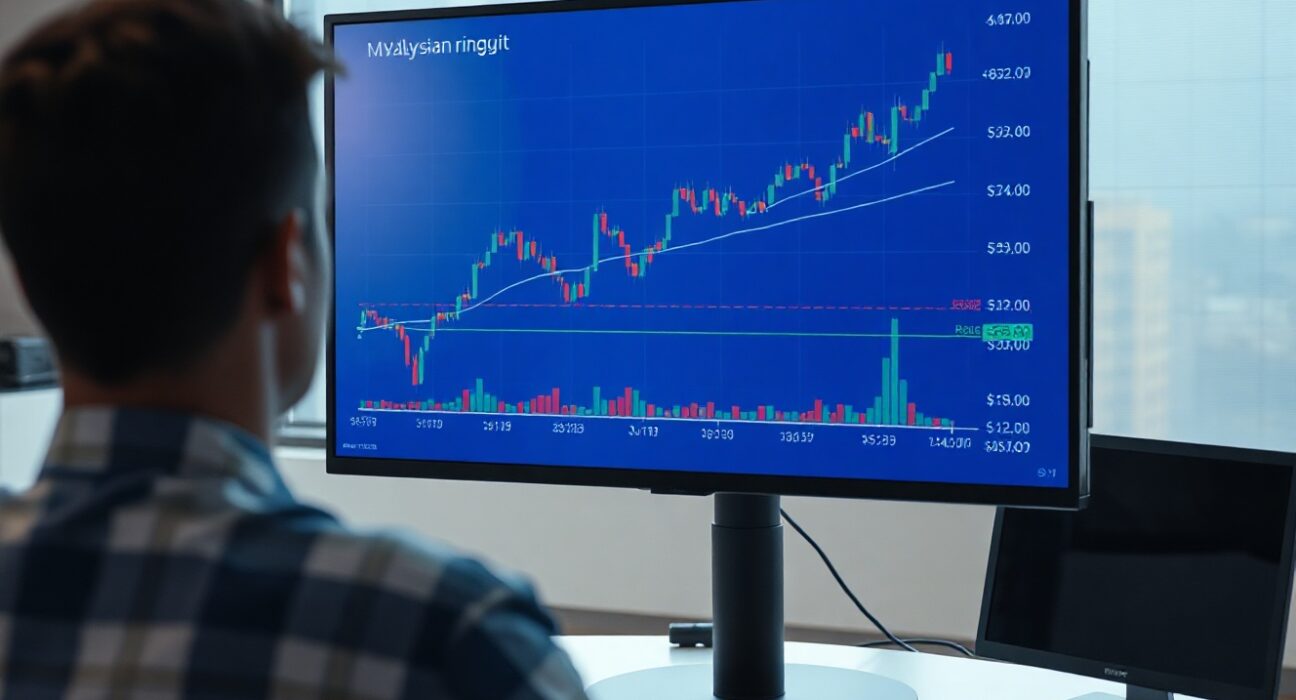
The Malaysian ringgit is expected to maintain its range-bound trading pattern against the US dollar, according to a recent analysis from MUFG Bank. The currency pair has shown limited directional momentum in recent weeks, with market participants weighing a mix of domestic and external factors.
MUFG’s Assessment of the Ringgit’s Outlook
Analysts at MUFG, one of Japan’s largest financial institutions, have characterized the USD/MYR pair as likely to remain within a defined trading band. This outlook is based on the current balance of forces affecting the Malaysian currency, including commodity price dynamics, the monetary policy stance of Bank Negara Malaysia, and global risk sentiment.
The ringgit has been influenced by fluctuations in crude oil prices, a key export for Malaysia. While higher oil prices generally support the currency, broader risk-off sentiment in global markets has provided a counterweight. The US dollar, meanwhile, has been supported by the Federal Reserve’s cautious approach to interest rate cuts, keeping the pair in a stalemate.
Key Factors Influencing the USD/MYR Pair
Several factors are contributing to the range-bound forecast:
- Monetary Policy Divergence: Bank Negara Malaysia has held its key interest rate steady, while the Fed has signaled a slower pace of easing than initially expected. This differential limits sharp moves in either direction.
- Trade and Current Account: Malaysia’s persistent current account surplus provides a fundamental buffer for the ringgit, preventing a sustained depreciation.
- Global Risk Appetite: The ringgit, as an emerging market currency, is sensitive to shifts in global investor sentiment. Periods of risk aversion tend to cap gains, while improved sentiment offers support.
- Commodity Prices: As a net exporter of oil and gas, the ringgit benefits from stable or rising energy prices, but this support is currently being offset by other headwinds.
Implications for Traders and Investors
For forex traders, the range-bound environment suggests a strategy of buying near the lower end of the band and selling near the upper end, rather than betting on a breakout. Investors with exposure to Malaysian assets should monitor the same catalysts for any signs of a shift in the balance.
The MUFG analysis aligns with the broader consensus that the ringgit lacks a clear catalyst to break out of its current trading range in the near term. Any significant move would likely require a decisive shift in Federal Reserve policy, a sharp change in commodity prices, or an unexpected development in Malaysia’s domestic economic data.
Conclusion
MUFG’s range-bound outlook for the Malaysian ringgit against the US dollar reflects a market in equilibrium, where opposing forces are largely balanced. For now, the currency is expected to trade within a defined corridor, with the next major directional signal likely coming from external factors such as US monetary policy or global risk trends. Market participants should remain attentive to these triggers while managing expectations for limited near-term volatility.
FAQs
Q1: What does “range-bound” mean for the Malaysian ringgit?
It means the ringgit is expected to trade within a specific, relatively narrow price range against the US dollar, without a clear upward or downward trend in the near term.
Q2: Why is MUFG’s analysis important?
MUFG is a major global bank with significant forex research capabilities. Its outlook is closely watched by institutional investors and provides a credible, data-driven perspective on currency movements.
Q3: What could break the ringgit out of its range?
A decisive breakout could be triggered by a surprise change in US interest rate policy, a major shift in global risk appetite, or a significant move in commodity prices, particularly crude oil.
Disclaimer: The information provided is not trading advice, Bitcoinworld.co.in holds no liability for any investments made based on the information provided on this page. We strongly recommend independent research and/or consultation with a qualified professional before making any investment decisions.
