

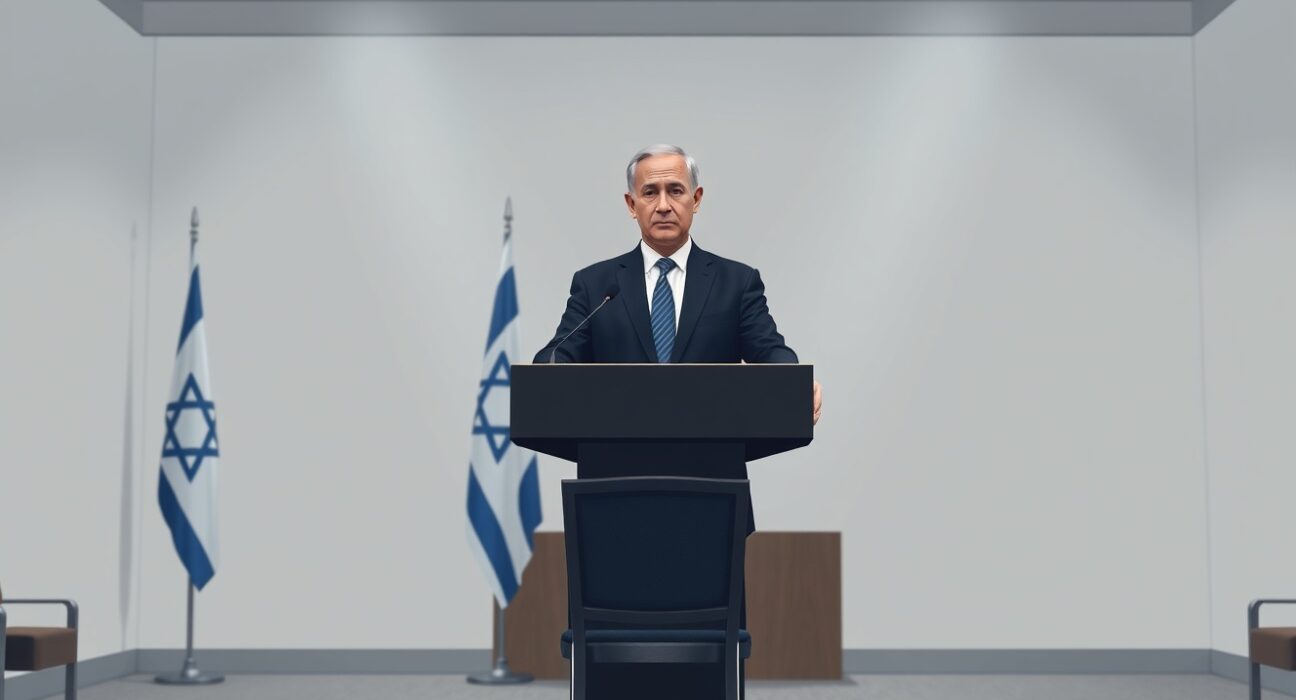
In a sudden diplomatic shift, Israeli Prime Minister Benjamin Netanyahu cancels his scheduled Washington visit next week. The announcement, made by the Israeli Prime Minister’s Office, sends ripples through international political circles. This decision marks a significant moment in US-Israel relations, raising questions about bilateral cooperation and regional stability.
Netanyahu Cancels Washington Visit: What Happened?
The Israeli Prime Minister’s Office confirmed on Wednesday that Benjamin Netanyahu will not travel to Washington, D.C., as planned. No official reason was provided for the cancellation. However, sources close to the office suggest ongoing internal political pressures may have influenced this move. This development comes amid heightened tensions in the Middle East, where the United States and Israel often coordinate on security matters.
Furthermore, the cancellation follows a series of diplomatic engagements between the two nations. Earlier this year, US officials visited Jerusalem to discuss Iran’s nuclear program and regional peace efforts. Netanyahu’s decision to cancel the Washington visit now disrupts that momentum. Consequently, analysts are closely watching for any official statements from the White House or the Israeli embassy.
Impact on US-Israel Relations
Benjamin Netanyahu’s cancellation of the Washington visit directly affects the diplomatic calendar. The meeting was expected to cover critical issues, including the Iran nuclear deal and Palestinian statehood negotiations. Without this face-to-face dialogue, both nations may face delays in policy alignment. Moreover, this move could strain personal ties between Netanyahu and US President Joe Biden, who have had a complex relationship.
Experts note that such cancellations are rare in modern diplomacy. Dr. Sarah Cohen, a Middle East policy analyst at the Institute for Strategic Studies, explains, “This is a high-stakes decision. Netanyahu cancels Washington visit at a time when the US seeks stronger alliances in the region. It signals either internal turmoil or a strategic recalibration.” Indeed, the timing is critical, as the US prepares for its own election cycle, potentially altering foreign policy priorities.
Regional Reactions and Implications
The cancellation has drawn mixed reactions from neighboring countries. Palestinian officials expressed cautious optimism, viewing it as a potential shift in Israeli diplomacy. Meanwhile, Saudi Arabia and the United Arab Emirates remain silent, possibly assessing the impact on their own normalization talks with Israel. Iran’s state media quickly highlighted the event as evidence of instability in Israeli leadership.
Additionally, this move affects US military aid and intelligence sharing. The Washington visit was expected to finalize a new defense cooperation agreement. Now, negotiations may move to virtual platforms, reducing the depth of discussions. As a result, the cancellation could delay critical decisions on joint military exercises and technology transfers.
Timeline of Netanyahu’s Diplomatic Moves
To understand this decision, a brief timeline helps:
- January 2025: Netanyahu meets with US envoy in Jerusalem to plan the Washington visit.
- February 2025: Israeli media reports internal coalition disputes over judicial reforms.
- March 2025: Netanyahu cancels Washington visit, citing unspecified reasons.
- Expected Outcome: Rescheduling or shifting to virtual summit.
This timeline shows a pattern of domestic challenges influencing foreign policy. Indeed, Netanyahu’s coalition government faces growing pressure from far-right allies. These factions demand tougher stances on settlements and Palestinian rights, complicating US-Israel coordination.
Expert Analysis on the Cancellation
Political analysts emphasize the rarity of such a high-profile cancellation. Professor David Levy from Tel Aviv University states, “Netanyahu cancels Washington visit not lightly. It suggests either a major policy rift or a domestic crisis. The US will likely demand an explanation.” Indeed, the White House has not yet commented publicly, but behind-the-scenes communications are ongoing.
Furthermore, this event highlights the fragility of international diplomacy. In recent years, US-Israel relations have experienced ups and downs, from the Iran nuclear deal to the Abraham Accords. Each cancellation or delay can reset progress. Therefore, the next steps are crucial for both nations.
Broader Geopolitical Context
The cancellation occurs against a backdrop of global uncertainty. The war in Ukraine continues to divert US attention, while China expands its influence in the Middle East. Netanyahu’s decision may reflect a calculation that Washington is too distracted to offer meaningful concessions. Alternatively, it could be a tactical move to strengthen his domestic standing.
Moreover, the timing coincides with the upcoming Israeli budget vote. Netanyahu may need to focus on internal coalition management rather than foreign travel. This prioritization of domestic affairs over international diplomacy is a common theme in modern politics. However, it carries risks, as allies may perceive it as a lack of commitment.
Conclusion
In summary, Israeli Prime Minister Benjamin Netanyahu cancels his Washington visit, creating a significant diplomatic vacuum. This decision impacts US-Israel relations, regional stability, and ongoing negotiations on critical issues. While the exact reasons remain unclear, the move underscores the interplay between domestic politics and foreign policy. As the world watches, both nations must navigate this setback to maintain their strategic partnership. The cancellation serves as a reminder of the fragility of high-level diplomacy in a volatile region.
FAQs
Q1: Why did Netanyahu cancel the Washington visit?
A: The official reason was not provided, but analysts suggest internal political pressures or strategic recalibration may be behind the decision.
Q2: How does this affect US-Israel relations?
A: The cancellation delays discussions on key issues like Iran and Palestinian statehood, potentially straining bilateral ties and coordination.
Q3: Will the visit be rescheduled?
A: It is possible, but no official announcement has been made. Virtual meetings may replace the in-person summit in the short term.
Q4: What issues were to be discussed?
A: The agenda included the Iran nuclear program, defense cooperation, and regional peace initiatives.
Q5: How have other countries reacted?
A: Palestinian officials expressed cautious optimism, while Iran highlighted the event as instability. Saudi Arabia and the UAE have not commented publicly.
Disclaimer: The information provided is not trading advice, Bitcoinworld.co.in holds no liability for any investments made based on the information provided on this page. We strongly recommend independent research and/or consultation with a qualified professional before making any investment decisions.
