

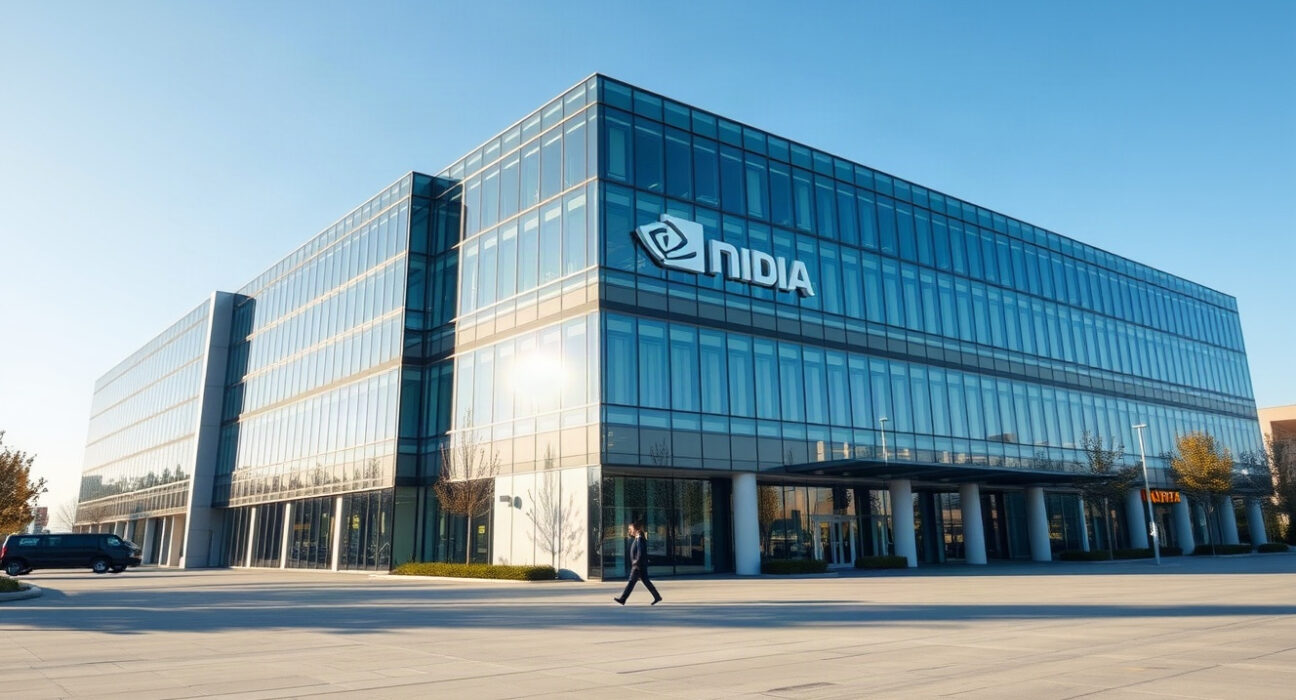
Nvidia, the world’s leading AI chipmaker, is increasingly acting like a financial powerhouse, leveraging its massive cash reserves and strategic investments to reshape its business model beyond selling GPUs. As of mid-2025, the company has expanded into GPU leasing, direct lending, and equity stakes in AI startups, signaling a deliberate move toward becoming an AI finance house. This pivot could diversify revenue streams but also introduces new risks, including exposure to credit markets and AI industry volatility.
Why Nvidia Is Moving Beyond Chip Sales
Nvidia’s core business—designing and selling high-performance GPUs—has seen explosive growth, but the company recognizes the cyclical nature of hardware sales. To smooth out revenue and capture more of the AI value chain, Nvidia has launched initiatives like DGX Cloud, which offers GPU computing power on a rental basis, and has expanded its investment arm, NVentures, to back promising AI startups. According to public filings, Nvidia’s cash and marketable securities exceeded $30 billion as of early 2025, providing ample firepower for these financial activities. The shift is not just about diversification; it’s about locking in long-term demand for its chips by financing customers and partners, creating a ecosystem that relies on Nvidia’s hardware and software.
Key Components of Nvidia’s Financial Strategy
Nvidia’s finance-house approach manifests in several ways. First, its GPU-as-a-service offering allows businesses to access AI compute without upfront hardware costs, generating recurring revenue. Second, Nvidia has provided financing to large-scale AI data center projects, sometimes in exchange for guaranteed compute capacity. Third, through NVentures, the company has made strategic equity investments in companies like CoreWeave and Inflection AI, aligning its financial interests with the growth of the AI sector. These moves are designed to create a flywheel effect: Nvidia’s capital helps AI companies scale, which in turn drives more demand for Nvidia’s chips and software.
Potential Risks and Rewards
This strategy offers clear benefits: recurring revenue, deeper customer lock-in, and a stake in the upside of AI innovation. However, it also exposes Nvidia to financial risks. If AI startups fail or data center projects underperform, Nvidia could face write-downs or loan defaults. Moreover, regulatory scrutiny is increasing; the U.S. and other jurisdictions are examining large tech companies’ investments in AI to ensure fair competition. Nvidia’s pivot also draws attention from antitrust authorities, as its financial power could be seen as extending its dominance. For investors, this means Nvidia’s earnings may become more volatile, tied not just to chip sales but to the broader health of the AI economy.
Conclusion
Nvidia’s transformation from a chipmaker to an AI finance house is a strategic response to the maturing AI market. By combining hardware sales with financial services, the company aims to secure its position at the center of the AI ecosystem. While this diversification offers growth opportunities, it also introduces new risks that investors must monitor. As of now, Nvidia’s financial moves appear calculated, but the long-term success of this pivot will depend on the sustainability of AI demand and the company’s ability to manage its expanding portfolio of investments and loans.
FAQs
Q1: What is Nvidia’s DGX Cloud?
DGX Cloud is Nvidia’s cloud service that offers GPU computing power on a rental basis, allowing businesses to access AI training and inference capabilities without purchasing hardware. It represents a shift toward recurring revenue for Nvidia.
Q2: How does Nvidia finance AI startups?
Nvidia invests directly in AI startups through its NVentures arm, providing capital in exchange for equity. It also offers financing for data center projects, sometimes with conditions that the projects use Nvidia hardware.
Q3: What are the risks of Nvidia’s finance-house model?
Risks include potential defaults on loans, write-downs on investments, and increased regulatory scrutiny. Nvidia’s earnings may become more tied to the success of AI companies and the broader economy, introducing volatility.
Disclaimer: The information provided is not trading advice, Bitcoinworld.co.in holds no liability for any investments made based on the information provided on this page. We strongly recommend independent research and/or consultation with a qualified professional before making any investment decisions.
