

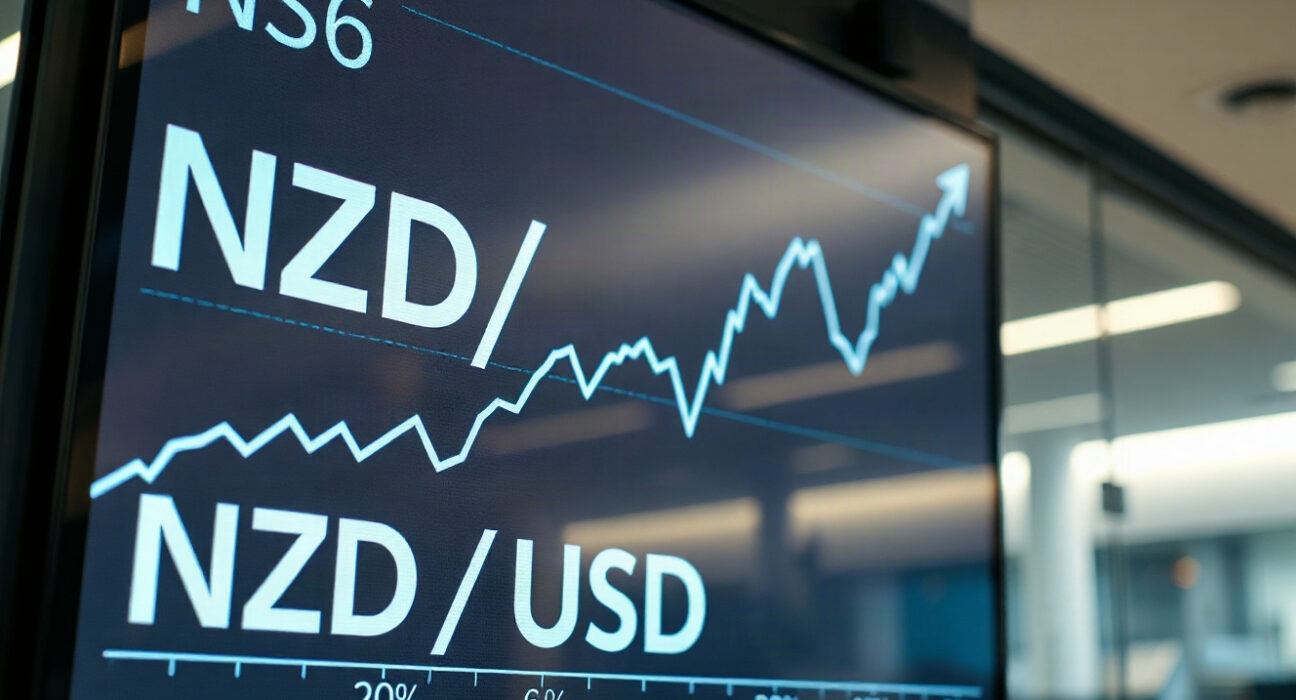
The New Zealand Dollar strengthened against the US Dollar on [date] as a US Treasury buyback operation dragged yields lower, reducing the greenback’s interest rate advantage and boosting demand for higher-yielding currencies like the kiwi.
What drove the NZD rally?
The US Treasury’s debt buyback program, part of its regular debt management operations, saw the government repurchase older, less liquid securities. This action pushed Treasury prices up and yields down, particularly at the short end of the curve. As US yields fell, the yield differential between US and New Zealand government bonds narrowed, making the kiwi more attractive to yield-seeking investors.
The move was compounded by a softer US Dollar index, which slipped as Treasury yields declined. The NZD/USD pair climbed to [level] during the session, reflecting renewed risk appetite in the forex market. Traders interpreted the buyback as a signal that the Federal Reserve may have room to ease monetary policy sooner than previously expected, further weighing on the dollar.
Market implications and context
The Treasury buyback is part of a broader program to manage the maturity profile of US government debt. While routine, its impact on yields can be significant, especially when market positioning is stretched. For the New Zealand Dollar, the move comes amid a backdrop of domestic economic resilience, with inflation moderating and the Reserve Bank of New Zealand signaling a cautious approach to rate cuts.
This is not the first time Treasury operations have influenced currency markets. In previous quarters, similar buybacks have triggered short-term yield fluctuations, offering trading opportunities for forex participants. However, the long-term trend for NZD/USD will likely depend on the relative pace of monetary policy between the Fed and the RBNZ, as well as global risk sentiment.
What should traders watch next?
Investors should monitor upcoming US economic data, particularly inflation and employment figures, which could alter expectations for Fed policy. Any surprises could reverse the current yield-driven move. Additionally, the RBNZ’s policy stance remains a key driver for the kiwi, with any shift in forward guidance likely to influence the pair.
The buyback’s effect on yields may be temporary, but it highlights the sensitivity of forex markets to central bank operations. For now, the New Zealand Dollar appears well-supported, but traders should remain cautious about chasing momentum without confirmation from broader market trends.
Conclusion
The New Zealand Dollar’s rally against the US Dollar, triggered by the Treasury buyback dragging yields lower, underscores the intricate link between government debt operations and currency valuations. While the immediate impact has favored the kiwi, the sustainability of this move will depend on forthcoming economic indicators and central bank signals. For now, the market remains attuned to any shifts in the yield landscape that could reshape the NZD/USD trajectory.
FAQs
Q1: Why did the US Treasury buyback affect the NZD/USD exchange rate?
The Treasury buyback reduced US yields, narrowing the interest rate differential between the US and New Zealand. Lower US yields made the dollar less attractive, prompting investors to shift toward the higher-yielding kiwi, thereby lifting NZD/USD.
Q2: Is this NZD rally likely to last?
The rally may persist if US yields continue to decline or if the Fed signals a dovish pivot. However, currency moves driven by temporary operations can reverse quickly, so traders should watch upcoming economic data and central bank commentary for direction.
Q3: What are the key levels to watch in NZD/USD?
Technical traders often monitor recent highs and lows, as well as psychological levels like 0.6000 or 0.6200. Support and resistance levels derived from daily charts can offer guidance, but fundamentals such as yield spreads and risk sentiment remain crucial.
Disclaimer: The information provided is not trading advice, Bitcoinworld.co.in holds no liability for any investments made based on the information provided on this page. We strongly recommend independent research and/or consultation with a qualified professional before making any investment decisions.
