

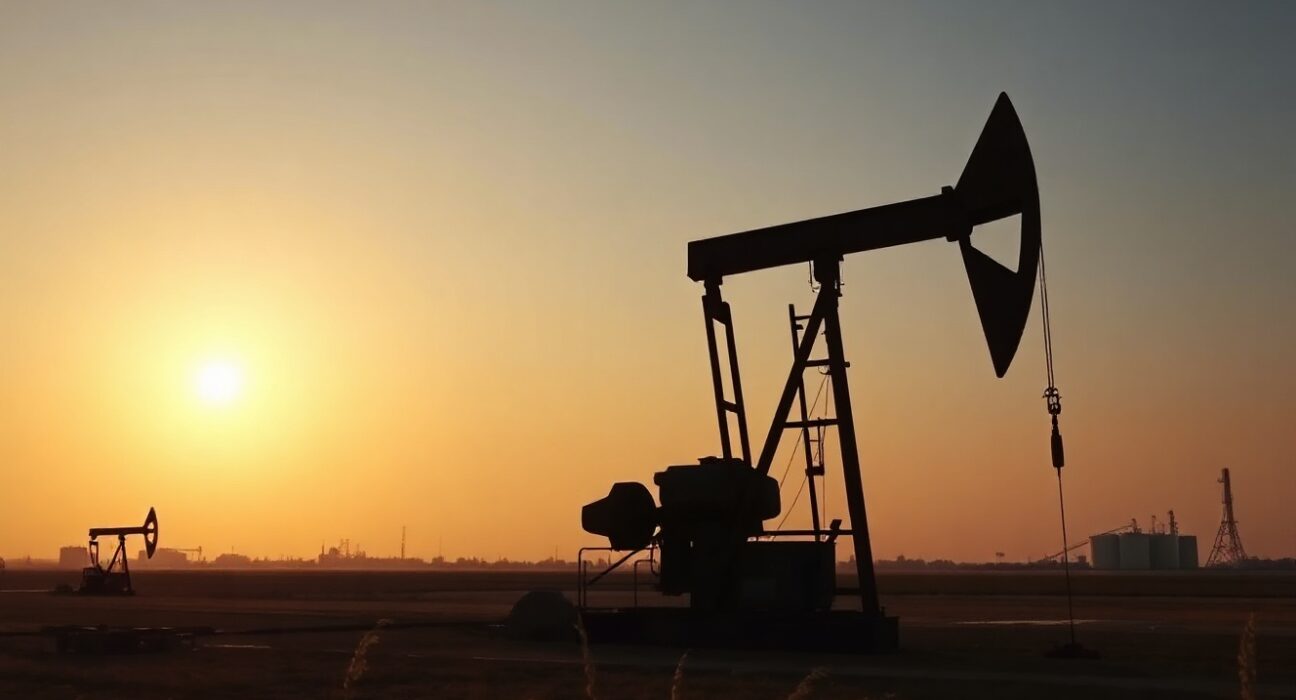
Oil prices continued their upward momentum on [Date], as markets reacted to new counter-demands issued by former President Donald Trump to Iran, adding another layer of complexity to an already tense geopolitical landscape. The move underscores how political rhetoric and diplomatic posturing continue to be primary drivers of volatility in the crude oil market.
Market Reaction to Geopolitical Pressures
The latest price action follows a period of heightened uncertainty, with traders pricing in the risk of supply disruptions. The specific counter-demands from Trump, which have not been detailed publicly, have been interpreted by analysts as a hardening of the US stance, potentially reducing the likelihood of a swift diplomatic resolution. This perception of increased risk is a key factor supporting crude prices.
Brent crude, the international benchmark, and West Texas Intermediate (WTI), the US standard, have both seen gains in recent trading sessions. The sustainability of this rally will likely depend on actual supply data and whether diplomatic channels remain open. The market is also closely watching inventory levels from the US Energy Information Administration (EIA) for signs of tightening supply.
Implications for Global Supply and Prices
The core concern for the market is the potential for supply disruption from the Strait of Hormuz, a critical chokepoint through which a significant portion of the world’s oil passes. Any escalation in tensions between the US and Iran raises the specter of shipping interference, which would have an immediate and severe impact on global prices.
Beyond the immediate geopolitical risk, the market is also factoring in the broader supply picture. OPEC+ production policies, US shale output, and global demand forecasts all play a role in setting the price floor. However, in the current climate, political headlines are outweighing traditional supply-demand fundamentals.
Why This Matters to Consumers
For consumers, higher crude oil prices typically translate to increased costs at the pump and higher prices for goods and services due to elevated transportation costs. The current situation introduces a risk of price spikes that could have a knock-on effect on inflation and economic growth, making this a story with implications far beyond the trading floor.
Conclusion
As of [Date], the oil market remains highly sensitive to geopolitical signals. The counter-demands issued to Iran have injected fresh uncertainty, driving prices higher. While the rally has momentum, it is fragile and subject to rapid reversal should diplomatic efforts show signs of progress. Market participants will be watching for any official statements or policy moves that could clarify the trajectory of US-Iran relations and provide a clearer direction for crude prices.
FAQs
Q1: Why are oil prices rising?
Oil prices are rising primarily due to increased geopolitical risk following new counter-demands issued by Donald Trump to Iran. The market is concerned about potential supply disruptions in the Middle East, which has led to a risk premium being added to crude prices.
Q2: What are the potential impacts of higher oil prices?
Higher oil prices can lead to increased fuel costs for consumers and businesses, potentially driving up inflation. This can affect the broader economy by reducing disposable income and increasing operational costs for industries reliant on transportation and energy.
Q3: How long could this price increase last?
The duration of the price increase is highly uncertain and depends on the evolution of geopolitical events. If tensions de-escalate, prices could quickly retreat. Conversely, any actual supply disruption could sustain or amplify the current upward trend.
Disclaimer: The information provided is not trading advice, Bitcoinworld.co.in holds no liability for any investments made based on the information provided on this page. We strongly recommend independent research and/or consultation with a qualified professional before making any investment decisions.
