

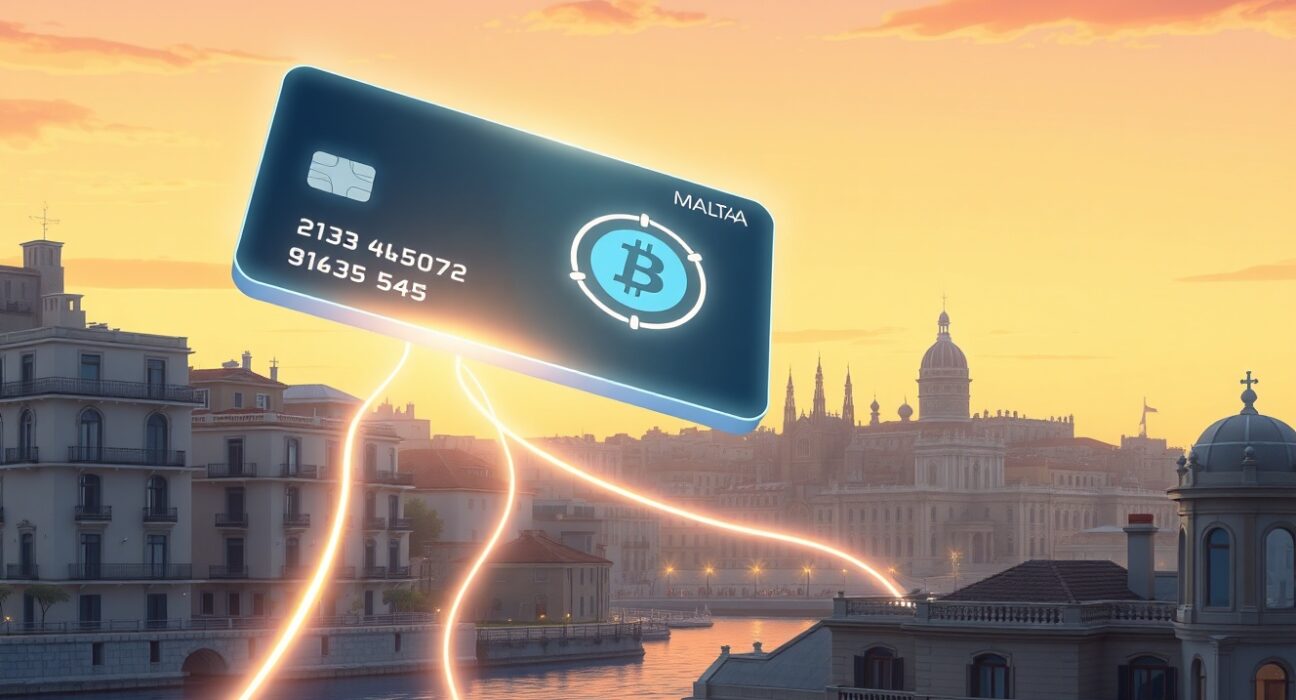
VALLETTA, Malta – December 2024: In a significant regulatory milestone, cryptocurrency exchange OKX has secured a Payment Institution (PI) license from Malta’s financial authorities, positioning the platform to legally provide stablecoin-based payment services across all 27 European Union member states. This strategic authorization, granted under the EU’s comprehensive financial framework, represents a pivotal expansion for OKX’s European operations and signals growing institutional acceptance of digital asset payment infrastructures.
OKX Malta License: A Gateway to EU-Wide Stablecoin Services
The Malta Financial Services Authority (MFSA) issued the Payment Institution license to OKX after a rigorous application process that typically spans 6-12 months. Consequently, this regulatory approval enables OKX subsidiaries, including OKX Pay and OKX Card, to operate legally throughout the European Economic Area under the EU’s passporting rules. Furthermore, the license arrives as European regulators implement the Markets in Crypto-Assets (MiCA) framework, which establishes clear guidelines for crypto asset service providers (CASPs).
Under current EU regulations, companies offering payment services involving electronic money or payment instruments must obtain specific authorization. The regulatory landscape distinguishes between two primary licenses:
- Payment Institution (PI) License: Allows companies to provide payment services, including payment transactions, money remittance, and payment initiation services
- Electronic Money Institution (EMI) License: Permits institutions to issue electronic money alongside payment services
OKX’s PI license specifically authorizes the exchange to facilitate payment transactions using stablecoins – cryptocurrencies pegged to traditional fiat currencies like the Euro or US Dollar. This regulatory clarity provides legal certainty for both OKX and its European customers, who can now engage with stablecoin payment services through a fully regulated entity.
European Crypto Regulation: The MiCA Framework Context
The timing of OKX’s license acquisition coincides with the European Union’s implementation of the Markets in Crypto-Assets Regulation (MiCA), which establishes a comprehensive regulatory framework for crypto assets across all member states. MiCA, which began its phased implementation in 2024, creates uniform rules for crypto asset issuers and service providers throughout the EU. Significantly, the regulation introduces specific requirements for stablecoin issuers, including capital requirements, redemption rights, and governance standards.
Malta has positioned itself as a forward-thinking jurisdiction for blockchain and cryptocurrency businesses, earning the nickname “Blockchain Island” in recent years. The country’s Virtual Financial Assets Act, established in 2018, created one of Europe’s first comprehensive regulatory frameworks for digital assets. Malta’s regulatory approach combines EU compliance with specialized crypto expertise, making it an attractive jurisdiction for established exchanges seeking European market access.
Strategic Implications for European Crypto Payments
OKX’s regulatory achievement carries substantial implications for the European cryptocurrency landscape. The license enables the exchange to expand its payment services across the continent’s 450 million consumers, representing one of the world’s largest single markets for financial services. Additionally, this development occurs as traditional financial institutions increasingly explore digital asset integration, with several European banks announcing plans to offer cryptocurrency custody and trading services to their clients.
The European Central Bank’s digital euro project, currently in its preparation phase, further demonstrates the region’s commitment to digital payment innovation. While distinct from private stablecoins, the digital euro initiative reflects broader European interest in modernizing payment infrastructures. OKX’s licensed operations will now participate in this evolving ecosystem, potentially bridging traditional finance and decentralized digital assets.
Comparative Analysis: Crypto Exchange Licensing in Europe
OKX joins a select group of cryptocurrency exchanges that have secured comprehensive European regulatory approvals. The table below illustrates the regulatory status of major exchanges in key European jurisdictions:
| Exchange | Primary EU License | Issuing Country | Year Obtained |
|---|---|---|---|
| OKX | Payment Institution | Malta | 2024 |
| Binance | Multiple National Registrations | Various | 2020-2023 |
| Coinbase | Electronic Money Institution | Ireland | 2022 |
| Kraken | Payment Institution | Ireland | 2023 |
| Crypto.com | Electronic Money Institution | UK (pre-Brexit) | 2021 |
This regulatory landscape demonstrates the diverse approaches exchanges employ to access European markets. Malta’s licensing framework offers particular advantages for companies seeking comprehensive EU market access through a single authorization. The MFSA’s specialized understanding of cryptocurrency businesses has attracted numerous digital asset companies since the jurisdiction first established its regulatory framework.
Technical Implementation and User Impact
OKX’s licensed operations will enable European users to access several key services through regulated channels. The exchange can now legally offer:
- Stablecoin Payment Processing: Facilitating transactions using Euro-pegged stablecoins like EURS or EUROC
- OKX Card Services: Expanding cryptocurrency debit card offerings with enhanced regulatory compliance
- Fiat On-Ramp/Off-Ramp Services: Streamlining conversions between traditional currencies and cryptocurrencies
- Cross-Border Payments: Leveraging blockchain technology for faster, cheaper international transfers
These services will operate under the supervision of Maltese and European regulators, providing users with consumer protection mechanisms typically associated with traditional financial services. The regulatory framework mandates specific requirements for transaction monitoring, anti-money laundering controls, and customer fund safeguarding – standards that distinguish licensed operators from unregulated platforms.
Market Response and Industry Perspectives
Industry analysts have noted the strategic importance of OKX’s regulatory achievement. “The Malta PI license represents more than just regulatory compliance; it’s a strategic positioning move ahead of full MiCA implementation,” observed financial technology analyst Marcus Chen. “Exchanges that secure comprehensive European licenses now will have significant first-mover advantages as the regulatory landscape matures.”
Market data indicates growing European adoption of cryptocurrency payment solutions. A 2024 European Central Bank survey revealed that approximately 8% of EU households now hold cryptocurrency assets, with payment utility representing a primary use case for 22% of holders. Additionally, merchant acceptance of cryptocurrency payments has increased by approximately 40% year-over-year across major European economies, according to data from the European Blockchain Association.
Regulatory Evolution and Future Developments
The European cryptocurrency regulatory environment continues to evolve rapidly. The European Banking Authority and European Securities and Markets Authority are developing detailed technical standards for implementing MiCA’s provisions, with full implementation expected by mid-2025. These standards will establish precise requirements for:
- Stablecoin reserve composition and auditing
- Consumer disclosure and transparency obligations
- Operational resilience and cybersecurity standards
- Market surveillance and reporting requirements
OKX’s early compliance with payment institution requirements positions the exchange favorably for upcoming MiCA authorization. The exchange will need to apply for MiCA authorization once the application window opens, but its existing regulatory standing in Malta provides a strong foundation for this process. Industry observers anticipate that regulatory clarity will accelerate institutional adoption of cryptocurrency services throughout Europe.
Conclusion
OKX’s acquisition of a Malta Payment Institution license represents a significant milestone in the cryptocurrency industry’s maturation within the European Union. This regulatory approval enables the exchange to provide stablecoin services across all EU member states through a fully compliant framework. As European regulators implement comprehensive cryptocurrency regulations under MiCA, licensed operators like OKX will play increasingly important roles in bridging traditional finance and digital asset ecosystems. The Malta license not only expands OKX’s service offerings but also contributes to broader industry legitimacy, potentially accelerating cryptocurrency adoption for everyday payments throughout Europe’s vast single market.
FAQs
Q1: What exactly does OKX’s Malta Payment Institution license allow?
The license authorizes OKX to provide payment services using stablecoins across all 27 European Union member states. Specifically, it enables payment processing, money remittance, and payment initiation services through regulated subsidiaries like OKX Pay and OKX Card.
Q2: How does this license differ from other European crypto regulations?
Malta’s PI license operates under existing EU financial services directives while positioning OKX for compliance with the upcoming MiCA framework. It provides immediate authorization for payment services, whereas MiCA will establish comprehensive rules for all crypto asset services when fully implemented.
Q3: What benefits do European users gain from OKX’s regulated status?
Users benefit from enhanced consumer protections, including fund safeguarding requirements, transparent fee structures, and regulatory oversight of operations. Additionally, regulated status increases service reliability and institutional trust in OKX’s European offerings.
Q4: How does Malta’s regulatory approach compare to other EU jurisdictions?
Malta has developed specialized expertise in cryptocurrency regulation through its Virtual Financial Assets Act and proactive engagement with blockchain businesses. The jurisdiction offers comprehensive EU market access through single authorization, unlike some countries that require separate national registrations.
Q5: What impact will MiCA have on OKX’s newly licensed operations?
OKX will need to apply for MiCA authorization when the application process opens, but its existing PI license provides a strong compliance foundation. MiCA will establish uniform standards across Europe, potentially simplifying OKX’s regulatory obligations across different member states.
Disclaimer: The information provided is not trading advice, Bitcoinworld.co.in holds no liability for any investments made based on the information provided on this page. We strongly recommend independent research and/or consultation with a qualified professional before making any investment decisions.
