

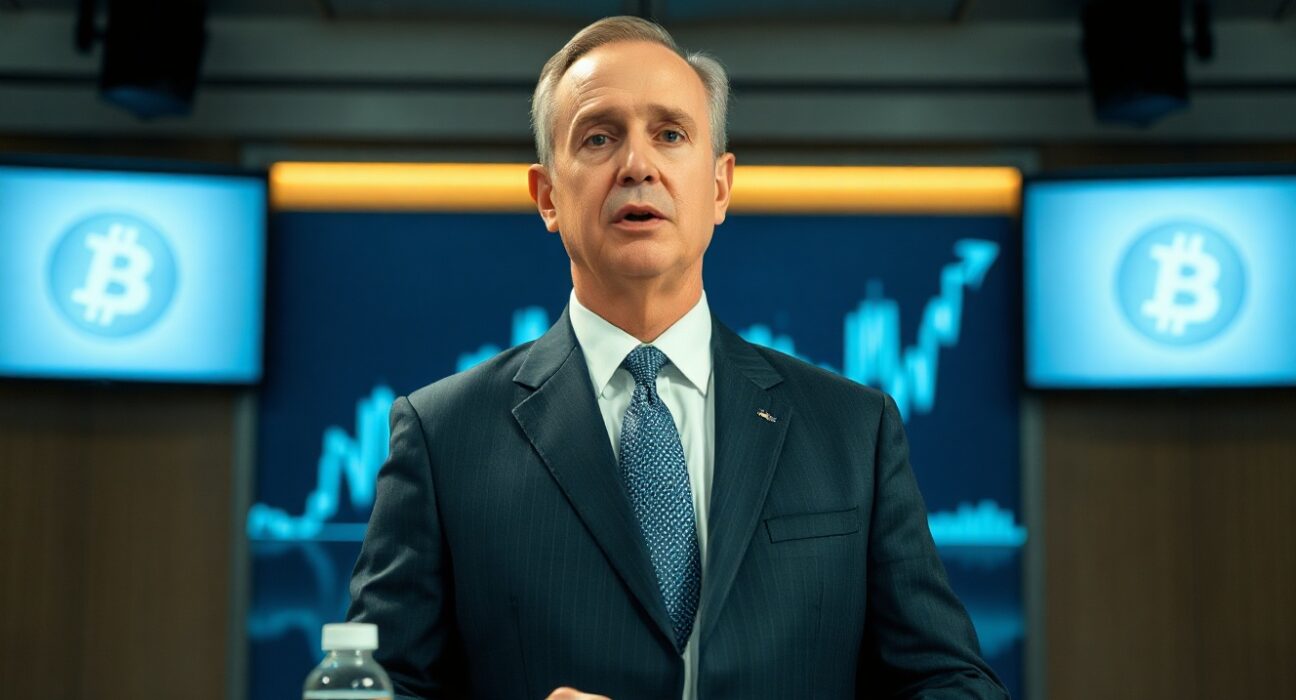
Peter Schiff, the outspoken CEO of Euro Pacific Capital and a well-known Bitcoin critic, has waded into the ongoing debate over cryptocurrency regulation by arguing that stablecoin issuers should not be subject to the same capital and compliance requirements as traditional banks. His comments, posted on X (formerly Twitter), directly challenge recent assertions by JPMorgan Chase CEO Jamie Dimon, who has called for treating crypto firms offering interest-bearing products like banks.
Schiff’s Core Argument: Stablecoins Are Not Banks
In his post, Schiff pushed back against Dimon’s suggestion that companies offering yield-bearing crypto products should face identical regulatory standards as banks. Schiff described the idea as ‘absurd,’ drawing a clear distinction between the two types of institutions. He argued that banks operate under a fractional-reserve system, engage in risky lending, and are backed by FDIC insurance — none of which applies to stablecoin issuers.
When a user on X expressed surprise that Schiff would oppose stricter regulation, given his long-standing criticism of the crypto industry’s lack of investor protections, Schiff clarified his position. He stated that stablecoins serve a clear and legitimate use case, and that their issuers are fundamentally different from banks — particularly if the tokens are fully backed by U.S. dollars and invested solely in Treasury bonds.
Context and Implications for Crypto Regulation
Schiff’s remarks come at a time of heightened regulatory scrutiny for the crypto industry, particularly around stablecoins. Lawmakers and regulators in the U.S. and globally are debating how to classify and oversee digital assets that function as payment instruments. The question of whether stablecoin issuers should be regulated as banks has become a central point of contention.
Dimon, a persistent critic of cryptocurrencies, has previously called for banning Bitcoin and has warned that crypto firms pose risks to the financial system. His latest call for applying bank regulations to interest-bearing crypto products reflects a broader push by some in the traditional banking sector to impose stricter oversight on the industry.
Schiff’s position, however, highlights a nuanced divide within the financial world. While he has consistently criticized Bitcoin and other speculative cryptocurrencies, he appears to differentiate between those assets and stablecoins, which he views as having practical utility. This distinction could influence how regulators approach stablecoin legislation, particularly as the market for these tokens continues to grow.
Why This Matters for Investors and Consumers
The debate over stablecoin regulation has direct implications for consumers and investors. If stablecoin issuers were classified as banks, they would face higher capital requirements, stricter compliance costs, and potentially lower yields for users. On the other hand, supporters of stricter regulation argue that it would provide greater consumer protection and reduce the risk of runs on stablecoins, similar to bank runs.
Schiff’s intervention adds a notable voice to the discussion, as he is often cited by both critics and supporters of crypto. His willingness to oppose Dimon on this issue suggests that even within the anti-crypto camp, there is disagreement over the best regulatory approach.
Conclusion
Peter Schiff’s rejection of bank-style regulation for stablecoin issuers underscores the complexity of crafting effective crypto oversight. While he remains a vocal critic of Bitcoin, his support for a tailored regulatory framework for stablecoins reflects a pragmatic view that not all digital assets are alike. As the regulatory landscape continues to evolve, the debate between figures like Schiff and Dimon will likely shape the rules that govern the future of digital payments and interest-bearing crypto products.
FAQs
Q1: Why does Peter Schiff oppose bank regulation for stablecoin issuers?
Schiff argues that stablecoin issuers are not banks because they do not operate under a fractional-reserve system, engage in risky lending, or have FDIC insurance. He believes that if stablecoins are fully backed by U.S. dollars and Treasury bonds, they should not face the same regulatory requirements.
Q2: What did Jamie Dimon say about crypto regulation?
JPMorgan CEO Jamie Dimon has called for companies offering interest-bearing crypto products to be subject to the same capital and compliance standards as traditional banks, citing risks to the financial system.
Q3: How might this debate affect stablecoin users?
If stablecoin issuers were regulated as banks, they could face higher costs and stricter rules, potentially reducing yields for users. However, it could also provide stronger consumer protections and reduce the risk of financial instability.
Disclaimer: The information provided is not trading advice, Bitcoinworld.co.in holds no liability for any investments made based on the information provided on this page. We strongly recommend independent research and/or consultation with a qualified professional before making any investment decisions.
