

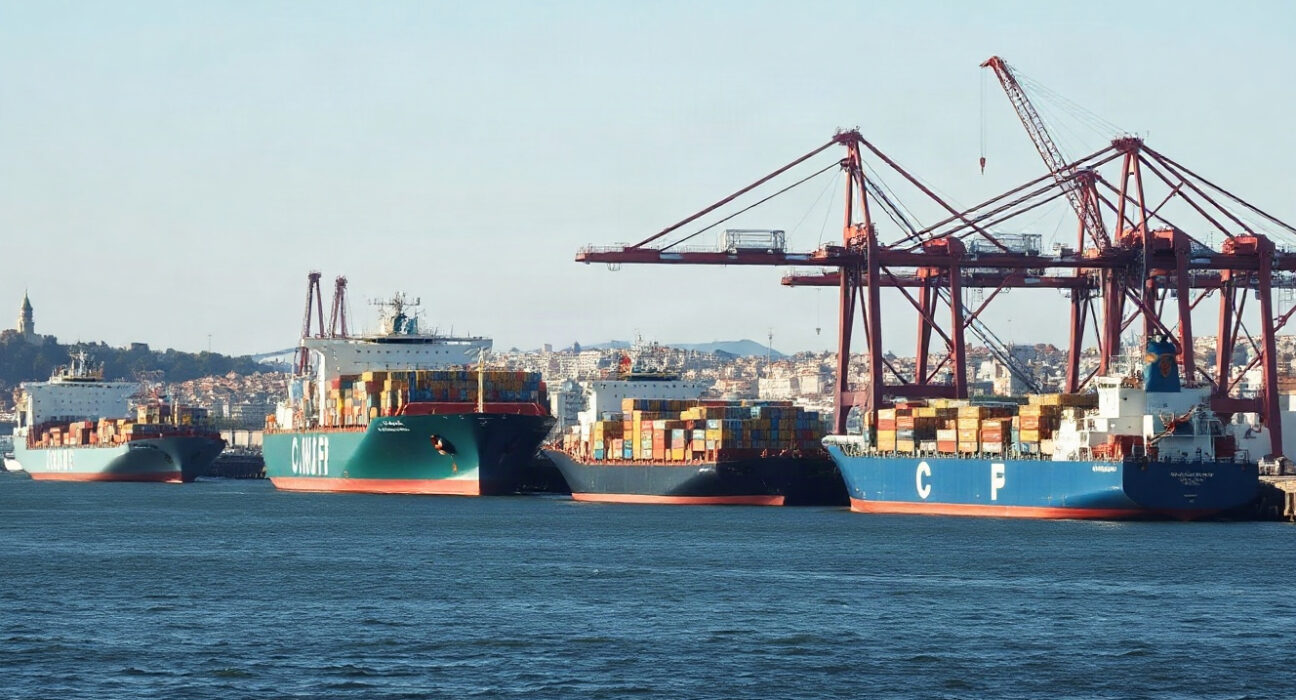
Portugal’s current account balance recorded a deficit of €1.837 billion in June, a significant widening from the revised €0.898 billion deficit in May, according to the latest data from the Bank of Portugal. The deterioration reflects a shift in the external sector, driven by changes in trade in goods and services, and marks a notable movement in the country’s balance of payments.
What is the Current Account Balance?
The current account is a key component of a country’s balance of payments, measuring the flow of goods, services, income, and transfers between residents and non-residents. A deficit indicates that Portugal is spending more on foreign trade and income transfers than it is earning, requiring financing from capital inflows or reserve assets.
For Portugal, a member of the Eurozone, the current account balance is closely monitored by policymakers and investors as a signal of external competitiveness and economic stability. The June figure, released in the latest monthly bulletin, follows a period of relative volatility, with the balance swinging between surpluses and deficits over the past year.
What Drove the Widening Deficit?
While the full breakdown is not provided in the preliminary release, the widening deficit is likely attributable to a combination of factors. Typically, the goods balance tends to be in deficit for Portugal, as the country imports more energy and industrial inputs than it exports. Services, particularly tourism, often provide a surplus, but seasonal variations and global demand shifts can affect the net position.
The data for June also reflects a broader trend seen across Southern European economies, where energy import costs and post-pandemic consumption patterns have influenced external balances. However, without a detailed component breakdown, analysts will look to the Bank of Portugal’s quarterly report for a more granular view.
Why Does This Matter for the Economy?
The current account deficit means Portugal relies on foreign capital to finance its spending. In the context of the Eurozone, this is not necessarily alarming, as member states have access to the common currency and capital markets. However, persistent deficits can lead to rising external debt and make the economy more vulnerable to shifts in investor sentiment.
For Portuguese businesses and consumers, the deficit may also reflect higher import costs, which could feed into inflation. Conversely, a stronger services sector, particularly tourism, could help narrow the gap in the coming months, as summer travel typically boosts export revenues.
Conclusion
Portugal’s current account deficit widened to €1.837 billion in June, up from €0.898 billion in May, signaling increased external spending. While the preliminary data does not provide a full sectoral breakdown, the trend underscores the ongoing challenges in balancing trade and services. As the Bank of Portugal continues to release monthly figures, analysts will watch for signs of whether this deficit is a temporary fluctuation or a more persistent trend.
FAQs
Q1: What is the current account balance?
The current account balance is a record of a country’s transactions with the rest of the world, including exports and imports of goods and services, income flows, and transfers. A deficit means the country spends more on these items than it receives.
Q2: How does a current account deficit affect the euro?
A current account deficit in a Eurozone country does not directly affect the euro’s exchange rate because the currency is shared. However, it can influence investor perception and the country’s borrowing costs, which can indirectly affect the eurozone economy.
Q3: When will more detailed data be available?
The Bank of Portugal typically publishes a more detailed breakdown in its quarterly bulletin. For June, the preliminary figure is available now, but sectoral details may be released in the coming weeks.
Disclaimer: The information provided is not trading advice, Bitcoinworld.co.in holds no liability for any investments made based on the information provided on this page. We strongly recommend independent research and/or consultation with a qualified professional before making any investment decisions.
