

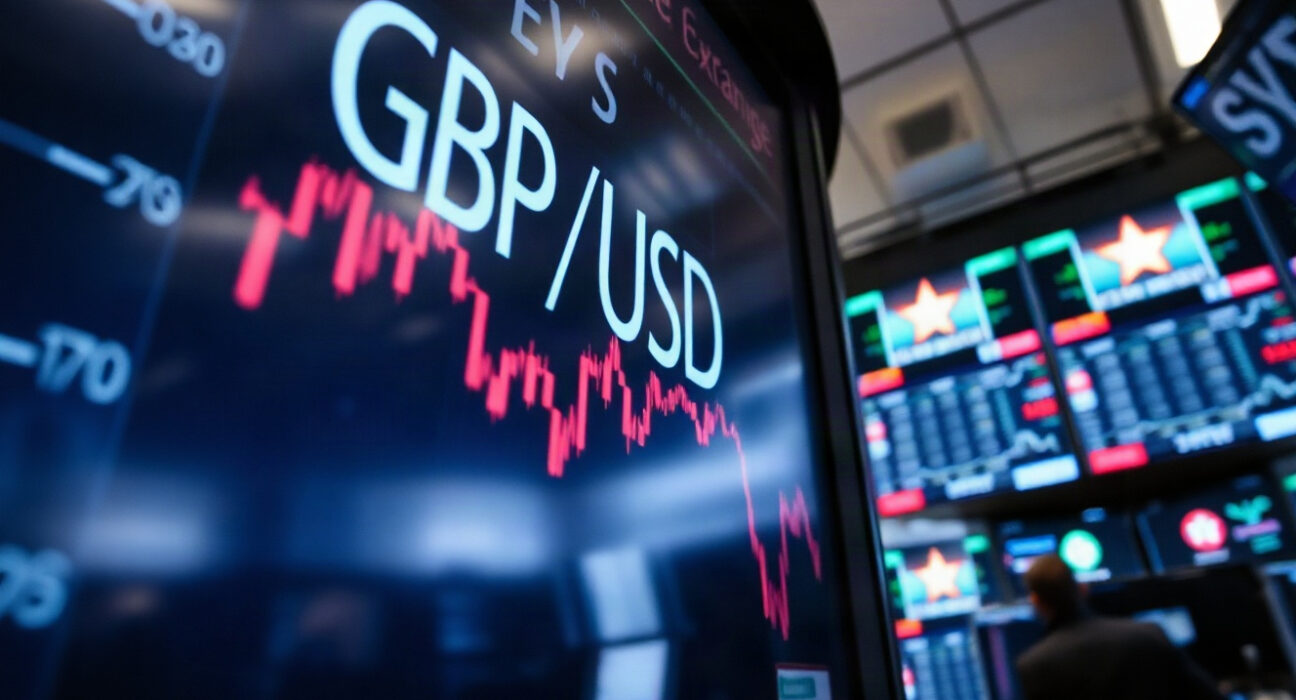
The British pound extended its losses against the US dollar on Tuesday, as the greenback held firm on growing expectations that the Federal Reserve will continue raising interest rates. The move reflects shifting market sentiment, with investors positioning for a more hawkish Fed while the Bank of England faces a delicate balancing act between inflation and economic slowdown.
Why is the US dollar strengthening?
The dollar’s resilience stems primarily from market pricing of further Fed rate hikes. Recent US economic data, including resilient labor market figures and sticky inflation readings, have prompted traders to adjust their expectations. As of this week, futures markets indicate a higher probability of another rate increase at the next Federal Open Market Committee meeting, a shift that has underpinned dollar demand.
Higher US interest rates make dollar-denominated assets more attractive to yield-seeking investors, which typically supports the currency. This dynamic has put pressure on the pound, as the relative interest rate differential between the US and the UK narrows.
What is driving the pound’s weakness?
The pound’s decline is not solely a function of dollar strength. Domestic factors also weigh on sterling. The UK economy has shown signs of cooling, with recent GDP data missing expectations and consumer spending remaining subdued. Additionally, the Bank of England has signaled a cautious approach to further tightening, wary of tipping the economy into recession.
Investors are also monitoring UK political developments and Brexit-related trade frictions, which continue to create an uncertain backdrop for the currency. The combination of a dovish BoE outlook and structural headwinds has left the pound vulnerable.
Market implications and what to watch
For traders, the key level to watch is the GBP/USD support zone around 1.24, a break of which could open the door to further downside. On the upside, resistance is seen near 1.26. However, the broader trend remains dollar-led, with Fed policy expectations likely to drive near-term direction.
Beyond the immediate technicals, the pound’s trajectory will depend on incoming US inflation data and the Fed’s guidance at the next meeting. A surprise dovish shift could trigger a pound rebound, while a hawkish surprise would likely extend losses.
Conclusion
The British pound’s slide against the dollar is a direct reflection of diverging monetary policy expectations. With the Fed poised to hike further and the BoE adopting a more cautious stance, the dollar is likely to remain supported in the near term. Traders should keep a close eye on US economic data and central bank communications for the next directional catalyst.
FAQs
Q1: Why does the pound fall when the Fed raises rates?
Higher US interest rates make dollar assets more attractive, increasing demand for the dollar and pushing down the pound relative to it.
Q2: What is the current GBP/USD exchange rate?
As of this writing, GBP/USD is trading around 1.2450, down from earlier levels. Exchange rates fluctuate constantly, so check a live source for the latest quote.
Q3: Could the Bank of England hike rates to support the pound?
The BoE faces a trade-off between supporting the currency and avoiding a recession. While a rate hike could boost the pound, it may also slow economic growth, making such a move uncertain.
Disclaimer: The information provided is not trading advice, Bitcoinworld.co.in holds no liability for any investments made based on the information provided on this page. We strongly recommend independent research and/or consultation with a qualified professional before making any investment decisions.
