

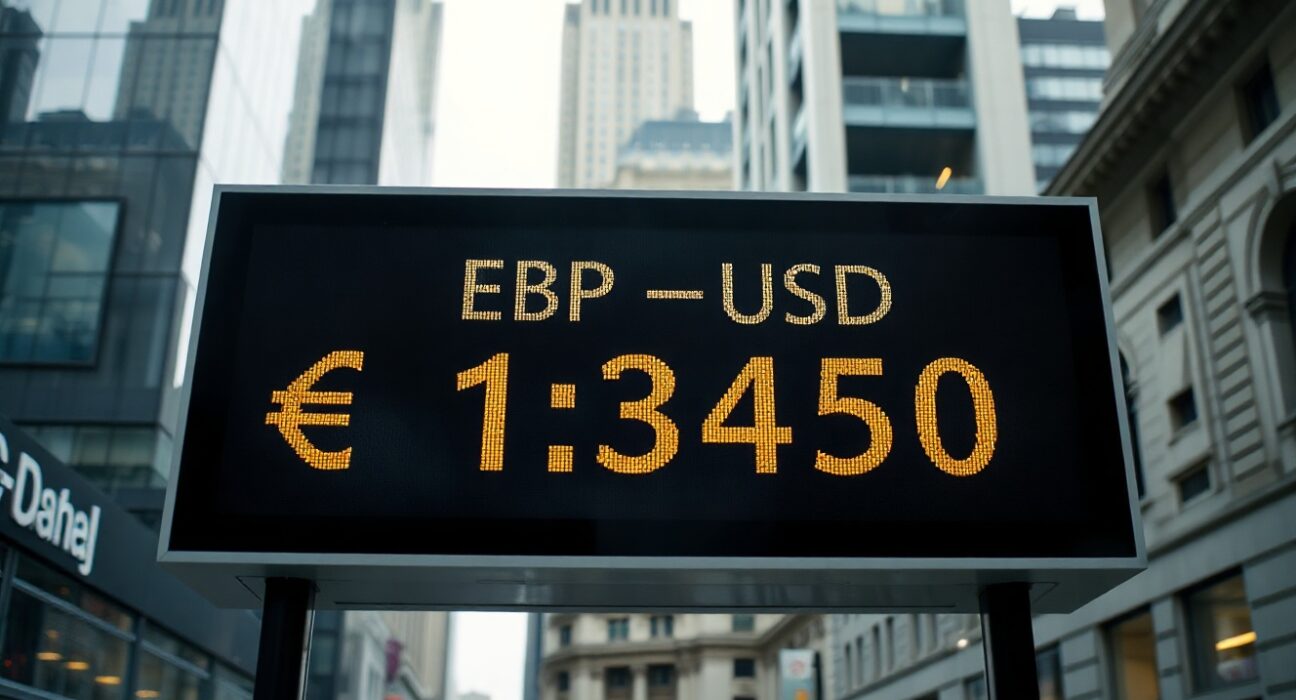
The British pound is holding steady above the 1.3450 mark against the U.S. dollar, as market sentiment shifts on hopes for de-escalation in the Middle East and growing expectations of Federal Reserve rate cuts. As of the latest trading session, GBP/USD remains supported by a softer dollar, which is under pressure from both geopolitical developments and repriced Fed policy expectations.
Why is the dollar weakening?
The U.S. dollar index has retreated as investors digest the possibility of a more accommodative Federal Reserve. Market participants now price in a higher probability of rate cuts in 2025, following softer economic data and cautious commentary from Fed officials. This repricing reduces the yield advantage of dollar-denominated assets, making the greenback less attractive.
Additionally, hopes for a reduction in tensions in the Middle East, particularly regarding Iran, have reduced safe-haven demand for the dollar. When geopolitical risks ease, investors often move away from traditional safe-haven currencies like the USD, which supports rivals like the pound.
What is supporting the pound?
The British pound is also drawing support from domestic factors. The Bank of England has maintained a relatively hawkish stance compared to the Fed, with interest rates remaining elevated. This interest rate differential, combined with a resilient UK economy, provides a fundamental underpinning for GBP/USD.
Moreover, recent UK economic data, including stronger-than-expected GDP figures and a tight labor market, have reduced bets on imminent BoE rate cuts. This contrasts with the Fed’s more dovish trajectory, further widening the policy gap in favor of the pound.
Market implications and outlook
For traders, the key levels to watch are the 1.3450 support and the psychological 1.3500 resistance. A break above 1.3500 could signal further upside momentum, while a drop below 1.3450 might trigger a retest of lower supports. The near-term direction will likely hinge on upcoming US inflation data and any new developments in the Middle East.
Investors should also monitor speeches by Fed and BoE officials for clues on policy paths. Any hawkish surprise from the Fed or dovish tilt from the BoE could quickly alter the current dynamics.
Conclusion
In summary, GBP/USD is trading steadily above 1.3450, supported by a weaker dollar due to Fed rate cut bets and geopolitical hopes, while the pound benefits from a relatively hawkish BoE. The pair’s next move will depend on economic data and central bank communications, making it a key watchpoint for currency traders.
FAQs
Q1: Why is the British pound strong against the dollar?
The pound is supported by the Bank of England’s relatively hawkish stance and resilient UK economic data, while the dollar faces headwinds from Fed rate cut expectations and reduced geopolitical safe-haven demand.
Q2: What does ‘Fed repricing’ mean?
It refers to the market adjusting its expectations for Federal Reserve interest rate decisions, often due to new economic data or central bank commentary, which can impact currency values.
Q3: How do geopolitical events affect currency markets?
Geopolitical tensions typically increase demand for safe-haven currencies like the USD, while hopes for de-escalation can reduce that demand, allowing other currencies like the pound to strengthen.
Disclaimer: The information provided is not trading advice, Bitcoinworld.co.in holds no liability for any investments made based on the information provided on this page. We strongly recommend independent research and/or consultation with a qualified professional before making any investment decisions.
