
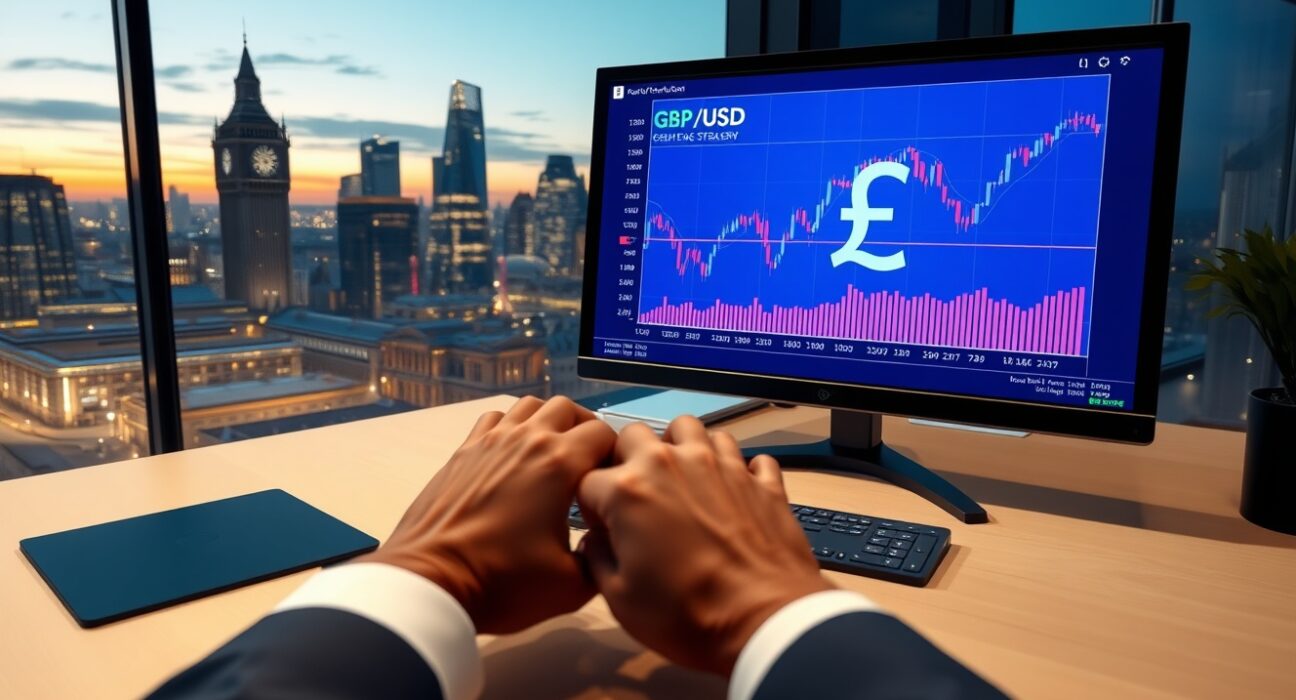
LONDON, UK – The Pound Sterling found a firm footing in early trading today, demonstrating remarkable resilience after a volatile period. This stabilization follows a significant geopolitical announcement from US Energy Secretary Jennifer Granholm, who stated the ongoing conflict involving Iran could conclude “within weeks.” Consequently, currency traders are rapidly reassessing risk premiums tied to Middle Eastern instability.
Pound Sterling Stability Amid Geopolitical Shifts
The British currency’s performance against the US Dollar and Euro showed clear signs of strengthening. Market analysts immediately linked this movement to Secretary Granholm’s comments, which suggested a near-term resolution to tensions that have long pressured global energy supplies and investor sentiment. Furthermore, reduced fears of a broader regional conflict are easing concerns about potential disruptions to trade routes and energy flows critical to the UK and European economies.
Forex markets are highly sensitive to geopolitical risk. For months, the threat of escalation has acted as a headwind for the Pound. Now, with a credible timeline for de-escalation presented, a key source of uncertainty is being removed. This development allows traders to refocus on fundamental economic indicators from the UK, such as inflation data and Bank of England policy signals.
Analyzing the US Energy Secretary’s Statement and Market Impact
Secretary Granholm’s remarks, made during a press briefing on international energy security, carried substantial weight. As a key cabinet official, her assessment is based on diplomatic intelligence and ongoing negotiations. Her prediction of a resolution “within weeks” provided the specific timeframe markets needed to begin repricing assets.
The immediate impact was most visible in the forex and commodity markets. The Pound Sterling (GBP) rallied against the safe-haven US Dollar (USD), while Brent crude oil futures dipped slightly on expectations of more stable future supply. This inverse relationship between geopolitical risk and currency strength is a classic market dynamic.
Key factors driving the Pound’s reaction include:
- Risk Appetite: A calming geopolitical landscape encourages investment in growth-sensitive assets like the Pound, moving capital away from safe havens.
- Energy Price Outlook: The UK, as a net energy importer, benefits from lower and more predictable oil and gas prices, easing inflationary pressures.
- Trade Confidence: Stability in the Middle East secures vital shipping lanes, bolstering confidence in UK import and export flows.
Expert Analysis on Currency and Conflict
Financial institutions were quick to interpret the developments. “The Secretary’s comments have provided a tangible anchor for the market,” noted a senior strategist at a major London investment bank. “While the Pound’s path will ultimately be dictated by domestic monetary policy, removing a major external shock risk allows for a cleaner read on the UK’s economic trajectory.” Historical data supports this view. Periods of geopolitical de-escalation often correlate with strengthening performance for currencies like the Pound and Euro.
The following table illustrates typical market reactions to changing geopolitical risk levels:
| Risk Level | Pound Sterling (GBP) Trend | Oil Price (Brent) Trend | Investor Behavior |
|---|---|---|---|
| Escalating | Weakening | Rising | Flight to Safety (USD, Gold) |
| Stable/De-escalating | Strengthening/Stabilizing | Stabilizing or Falling | Return to Risk (Equities, GBP) |
The Road Ahead for the Pound and Global Markets
While the initial reaction is positive, sustained strength for the Pound Sterling will depend on several converging factors. First, the geopolitical situation must evolve as predicted. Any setback in negotiations could trigger renewed volatility. Second, domestic UK economic data remains paramount. The Bank of England’s upcoming decisions on interest rates will now be analyzed without the overwhelming noise of a potential Middle East crisis.
Additionally, the broader foreign exchange market is adjusting. The US Dollar’s role as a primary safe-haven asset means its strength may moderate if global risks continue to abate. This environment could benefit not just the Pound, but other major and commodity-linked currencies as well. Market participants will now scrutinize every statement from involved diplomatic corps for confirmation of the projected timeline.
Conclusion
The Pound Sterling’s steadying act highlights the profound connection between geopolitics and global finance. US Energy Secretary Granholm’s assessment of a nearing end to the Iran conflict has provided a crucial catalyst for market recalibration. This shift allows the Pound to trade more closely on its economic merits, marking a significant moment for currency stability. The coming weeks will be critical in determining whether this newfound stability for the Pound Sterling becomes a lasting trend or a temporary respite.
FAQs
Q1: Why did the Pound Sterling strengthen after the US Energy Secretary’s comments?
The comments reduced the perceived risk of a wider Middle East conflict, which would disrupt trade and energy supplies. Lower geopolitical risk increases investor appetite for currencies like the Pound, leading to buying pressure and strength.
Q2: How does the Iran conflict specifically affect the British Pound?
It creates uncertainty over energy prices (oil/gas) and global trade routes. The UK is sensitive to both as an importer. Uncertainty typically weakens the Pound as investors seek safer assets like the US Dollar.
Q3: Is the Pound’s stability likely to last?
It depends on two factors: the conflict de-escalating as predicted, and positive UK economic data (like controlled inflation). If either fails, volatility could return.
Q4: What other markets were affected by this news?
Global oil prices dipped on expected supply stability. Stock markets, especially in Europe, often rise with reduced geopolitical risk. Safe-haven assets like gold and the US Dollar saw reduced demand.
Q5: What should forex traders watch next regarding the Pound Sterling?
Traders should monitor diplomatic statements for confirmation of the peace timeline, upcoming UK inflation and GDP reports, and Bank of England communications for interest rate signals, now that a major external risk is fading.
Disclaimer: The information provided is not trading advice, Bitcoinworld.co.in holds no liability for any investments made based on the information provided on this page. We strongly recommend independent research and/or consultation with a qualified professional before making any investment decisions.