

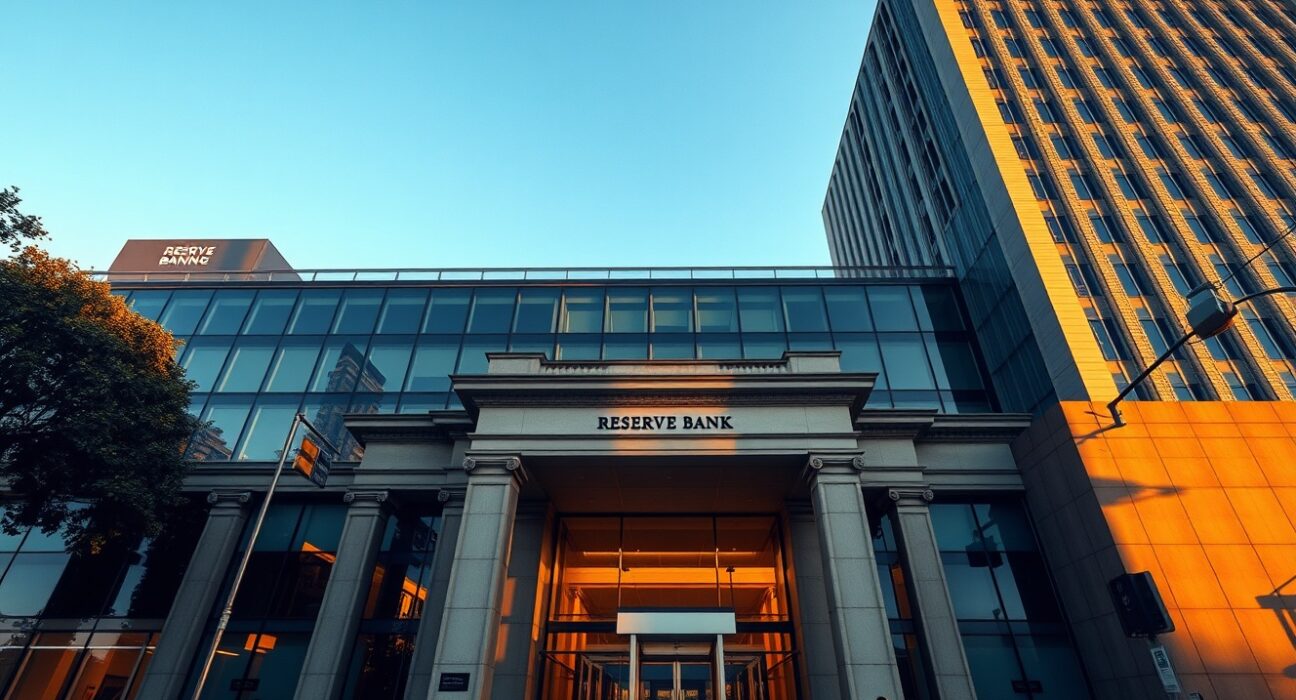
Reserve Bank of Australia (RBA) Deputy Governor Andrew Hunter has reinforced the central bank’s commitment to bringing inflation back within its target range, stating that the board is prepared to intervene as necessary to achieve price stability. Speaking at a business economics forum in Sydney, Hunter addressed ongoing concerns about persistent inflationary pressures and the path of monetary policy.
Policy Stance and Economic Context
Hunter’s remarks come as the RBA navigates a complex economic environment marked by sticky inflation in the services sector, a resilient labor market, and global uncertainties. While headline inflation has moderated from its 2022 peak, underlying measures remain above the RBA’s 2–3% target band. The Deputy Governor emphasized that the board’s decisions will remain data-dependent, with a clear focus on returning inflation to target within a reasonable timeframe.
“The board will not hesitate to adjust policy settings if the inflation outlook deteriorates,” Hunter said. “Our commitment to price stability is unwavering, and we have the tools to deliver it.” The statement signals that further interest rate increases remain on the table if progress on inflation stalls.
Market and Consumer Implications
Financial markets have priced in a potential rate hold at the RBA’s next meeting, but Hunter’s hawkish tone suggests the board is wary of premature policy easing. For households and businesses, this means borrowing costs are likely to remain elevated for an extended period. Mortgage holders, in particular, face continued pressure as variable-rate loans adjust to higher rates.
Economists note that the RBA’s challenge is balancing inflation control with maintaining economic growth. Australia’s unemployment rate remains near historic lows, but consumer confidence has been subdued as cost-of-living pressures persist. Hunter acknowledged these trade-offs but stressed that allowing inflation to become entrenched would be more damaging in the long run.
Global Comparisons and Outlook
Australia’s inflation trajectory mirrors trends in other advanced economies, where central banks are grappling with similar challenges. The U.S. Federal Reserve and the European Central Bank have also maintained a cautious stance, wary of declaring victory over inflation too early. Hunter noted that global supply chain improvements have helped ease goods inflation, but services inflation remains sticky due to labor costs and demand.
The RBA’s next policy decision is scheduled for early next month, with markets closely watching for any shift in language. Hunter’s comments suggest the board is prepared to act decisively, even if that means further tightening in the face of political and public pressure.
Conclusion
Deputy Governor Andrew Hunter’s reaffirmation of the RBA’s inflation-fighting mandate underscores the central bank’s determination to see the job through. While the path ahead is uncertain, the message is clear: the board will intervene as necessary, prioritizing long-term price stability over short-term economic comfort. For Australian households and investors, the key takeaway is that interest rates are likely to stay higher for longer, and policy flexibility remains the RBA’s primary tool.
FAQs
What did RBA Deputy Governor Andrew Hunter say about inflation?
Hunter stated that the RBA board will intervene as necessary to bring inflation back to its 2–3% target range, emphasizing a data-dependent approach and readiness to adjust policy if needed.
Will the RBA raise interest rates again?
Hunter did not rule out further rate increases, noting that the board remains vigilant. The decision will depend on incoming economic data, particularly inflation and employment figures.
How does this affect Australian households?
Elevated interest rates mean higher borrowing costs for mortgage holders and reduced disposable income. Consumers should prepare for a prolonged period of tight monetary policy, with potential further increases if inflation remains stubborn.
Disclaimer: The information provided is not trading advice, Bitcoinworld.co.in holds no liability for any investments made based on the information provided on this page. We strongly recommend independent research and/or consultation with a qualified professional before making any investment decisions.
