

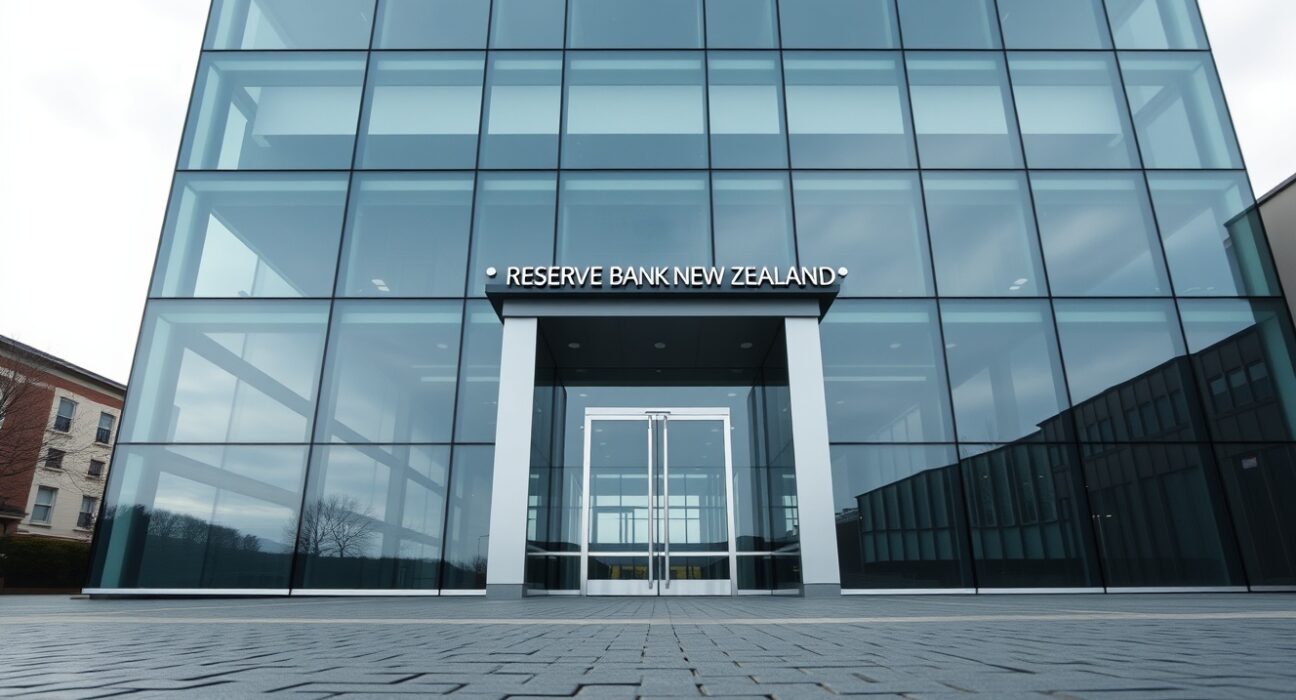
The Reserve Bank of New Zealand (RBNZ) is widely expected to raise its official cash rate (OCR) at its upcoming meeting, though the decision is likely to be a close one, according to market analysts and economic indicators. The central bank’s tightening cycle, aimed at curbing persistent inflation, has been closely watched by investors and households alike.
Market Expectations and Economic Pressures
Financial markets are pricing in a high probability of a 25-basis-point hike, which would bring the OCR to its highest level in over a decade. The move is driven by stubbornly high inflation, which remains above the RBNZ’s target band of 1-3%. Recent data showed consumer prices rising at an annual rate of 4.7%, fueled by domestic demand, a tight labor market, and rising import costs.
However, the decision is not unanimous. Some economists point to signs of economic slowdown, including cooling retail sales and a softening housing market, as reasons to pause. The RBNZ’s own forecasts suggest that growth is expected to moderate in the coming quarters, adding complexity to the rate-setting process.
The Tight Vote and Its Implications
The phrase ‘tight vote’ has become central to market commentary, reflecting the internal debate within the RBNZ’s Monetary Policy Committee (MPC). Analysts suggest that the decision could be split, with some members favoring a hold to assess the lagged effects of previous rate increases. This uncertainty has led to increased volatility in the New Zealand dollar and bond yields.
If the RBNZ proceeds with a hike, it would signal a continued commitment to fighting inflation, even at the risk of further dampening economic activity. Conversely, a hold could be interpreted as the central bank acknowledging that its previous tightening has begun to take effect, potentially easing pressure on borrowers.
Impact on Borrowers and Businesses
For New Zealand homeowners and businesses, a rate hike would translate into higher mortgage and loan repayments, adding strain to household budgets already squeezed by the cost of living. The housing market, which has already seen price declines in some regions, could face further headwinds. On the other hand, savers may benefit from higher returns on deposits.
Conclusion
The RBNZ’s decision, whether a hike or a hold, will have significant implications for the New Zealand economy. The tight vote underscores the delicate balancing act the central bank faces: taming inflation without triggering a recession. Market participants and the public will be watching closely for the outcome and the accompanying statement for clues on the future path of interest rates.
FAQs
Q1: What is the official cash rate (OCR)?
The OCR is the benchmark interest rate set by the Reserve Bank of New Zealand. It influences the cost of borrowing for banks, which in turn affects mortgage rates, business loans, and savings rates.
Q2: Why is the RBNZ considering a rate hike?
The primary reason is to combat inflation, which remains above the RBNZ’s target range. By raising rates, the central bank aims to reduce spending and borrowing, thereby cooling the economy and bringing inflation down.
Q3: What does a ‘tight vote’ mean?
A tight vote means that the members of the Monetary Policy Committee are closely divided on the decision. It indicates significant disagreement or uncertainty about the best course of action, making the outcome less predictable.
Disclaimer: The information provided is not trading advice, Bitcoinworld.co.in holds no liability for any investments made based on the information provided on this page. We strongly recommend independent research and/or consultation with a qualified professional before making any investment decisions.
