

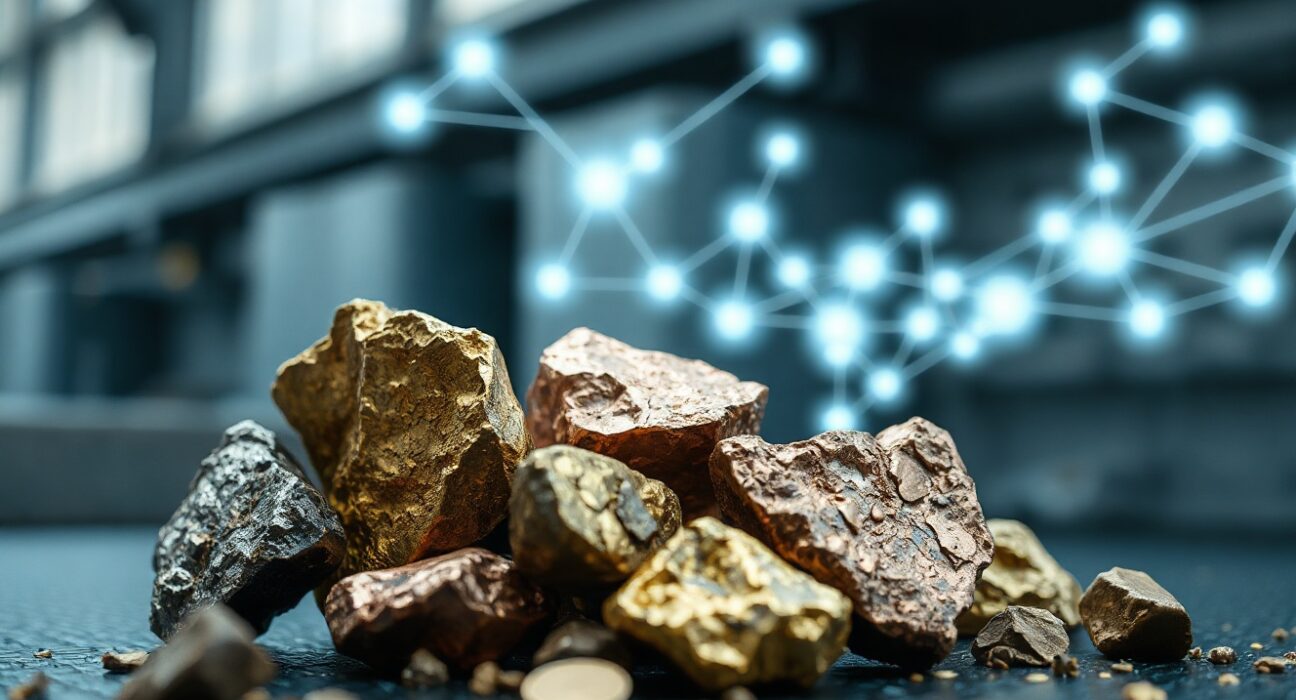
The surge in prices for metals such as gold, copper, and uranium is prompting mining and technology companies to develop crypto tokens linked to physical metals, according to a report by the Financial Times. These initiatives aim to make metal investing more accessible to retail investors, provide crypto enthusiasts with exposure to real-world assets, and open new fundraising channels for miners.
Expanding Beyond Gold
Tokenized metals are no longer limited to gold. Companies are now exploring tokens backed by uranium, nickel, and cobalt. Some ventures are even attempting to tokenize metals before they are mined, allowing investors to trade tokens that represent future production. For instance, Nasdaq-listed Datavault AI is pursuing a model that would tokenize metals such as copper and antimony prior to extraction, enabling investors to either trade the tokens or redeem them for physical metal once mining operations commence.
Challenges and Skepticism
Despite the potential benefits, experts caution that mining projects are inherently complex and difficult for ordinary investors to assess properly. Unlike gold, which has a standardized market, industrial metals vary by purity and origin, raising questions about uniformity and valuation. Additionally, the fragmentation of trading platforms poses a significant obstacle to accessibility and interoperability, potentially limiting the liquidity and adoption of these tokenized assets.
Why It Matters
The move toward tokenizing physical metals reflects a broader trend of bridging traditional finance with blockchain technology. If successful, these products could democratize access to commodity markets, which have historically been dominated by institutional players. However, the complexities of mining projects and the lack of standardization in industrial metals present substantial hurdles that need to be addressed for the market to mature.
Conclusion
As metal prices continue to rise, the intersection of mining and blockchain technology is likely to attract more attention. While tokenization offers promising opportunities for retail investors and miners alike, the industry must navigate significant challenges related to valuation, standardization, and platform interoperability. The coming years will reveal whether these digital tokens can gain traction beyond gold and become a viable asset class in the broader financial ecosystem.
FAQs
Q1: What is metal tokenization?
Metal tokenization involves creating digital tokens on a blockchain that represent ownership or rights to physical metals, such as gold, copper, or uranium. These tokens can be traded on digital platforms, making metal investments more accessible.
Q2: How can investors redeem tokens for physical metal?
Depending on the platform, token holders may have the option to redeem their tokens for the underlying physical metal after mining and refining processes are completed. This process is typically outlined in the token’s terms and conditions.
Q3: What are the main risks of investing in tokenized metals?
Key risks include the complexity of mining projects, potential lack of standardization for industrial metals, regulatory uncertainties, and the fragmentation of trading platforms, which can affect liquidity and price discovery.
Disclaimer: The information provided is not trading advice, Bitcoinworld.co.in holds no liability for any investments made based on the information provided on this page. We strongly recommend independent research and/or consultation with a qualified professional before making any investment decisions.
