
• US Natural Gas Storage Build Misses Expectations: EIA Reports 28B Cubic Feet Injection
  • Bitcoin Whale Moves $116M from Kraken: Exchange Outflow Signals Holding Sentiment
  • Wintermute: Broad Altcoin Rallies Likely to Fade as Institutional Investors Tighten Grip on Crypto Markets
  • XTB Institutional Broadens Commodity CFD Range, Extends Friday Trading Window
  • DeFi and Layer-One Markets Slump in H1 2026 as RWA and Prediction Markets Surge, Binance Research Finds
2026-07-30
Coins by Cryptorank
Bitcoinworld Bitcoinworld
  • Crypto News
  • AI News
  • Forex News
  • Sponsored
  • Press Release
  • Media Kit
  • Advertisement
  • More
    • About Us
    • Learn
    • Exclusive Article
    • Reviews
    • Events
    • Contact Us
    • Privacy Policy
Bitcoinworld
  • Crypto News
  • AI News
  • Forex News
  • Sponsored
  • Press Release
  • Media Kit
  • Advertisement
  • More
    • About Us
    • Learn
    • Exclusive Article
    • Reviews
    • Events
    • Contact Us
    • Privacy Policy
Skip to content
Home Forex News Russia’s Central Bank Reserves Rise to $732.1 Billion, Marking Notable Increase
Forex News

Russia’s Central Bank Reserves Rise to $732.1 Billion, Marking Notable Increase

  • by Jayshree
  • 2026-07-30
  • 0 Comments
  • 1 minute read
  • 1 View
  • 1 hour ago
Facebook Twitter Pinterest Whatsapp
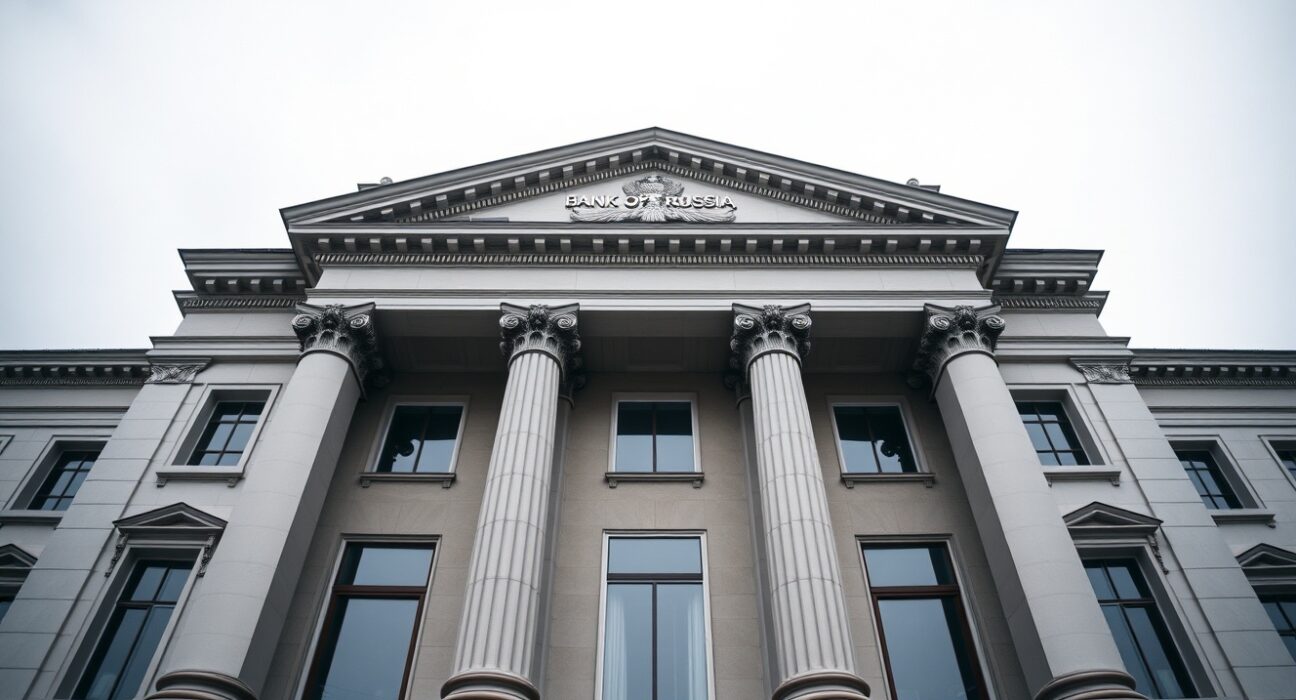
Bank of Russia headquarters in Moscow, Russia

Russia’s central bank reserves increased to $732.1 billion, according to the latest data, up from $722.9 billion in the previous reporting period. The $9.2 billion increase represents a notable shift in the country’s financial holdings, which include foreign currency, gold, and other reserve assets.

Understanding the Reserve Increase

The rise in reserves reflects changes in the valuation of assets held by the Bank of Russia. These reserves serve as a financial buffer for the country, helping to stabilize the ruble and meet international obligations. The composition of these reserves includes a mix of foreign currencies, gold, Special Drawing Rights (SDRs), and other reserve positions.

Implications for the Russian Economy

A growing reserve base can signal economic resilience, but it also depends on the underlying factors driving the increase. Currency fluctuations, gold price movements, and central bank interventions all play a role. The latest figures come amid ongoing international sanctions and adjustments in Russia’s trade patterns.

What This Means for Markets

For investors and analysts, changes in central bank reserves are a key indicator of a country’s financial health. The increase from $722.9 billion to $732.1 billion suggests a strengthening of Russia’s external position, at least in the short term. However, the sustainability of this trend depends on global commodity prices, particularly oil and gas, and the broader geopolitical landscape.

Conclusion

Russia’s central bank reserves have grown to $732.1 billion, a clear increase from the previous $722.9 billion. While the rise is positive for the country’s financial stability, it should be viewed within the context of ongoing economic pressures and global market conditions.

FAQs

Q1: What are central bank reserves?
Central bank reserves are assets held by a country’s central bank, including foreign currencies, gold, and other financial instruments. They are used to support the national currency and meet international payment obligations.

Q2: Why did Russia’s reserves increase?
The increase from $722.9 billion to $732.1 billion can be attributed to factors such as changes in the valuation of gold and foreign currency holdings, as well as potential central bank market operations.

Q3: How do sanctions affect Russia’s reserves?
International sanctions can restrict access to a portion of a country’s reserves, particularly those held in foreign currencies or assets in sanctioning countries. This can limit the central bank’s ability to use those reserves freely.

Disclaimer: The information provided is not trading advice, Bitcoinworld.co.in holds no liability for any investments made based on the information provided on this page. We strongly recommend independent research and/or consultation with a qualified professional before making any investment decisions.

Related Reading

  • British Pound Holds Steady Against Euro as Bank of England Leaves Interest Rate Unchanged
  • Pound Sterling Drops Against Peers After Bank of England Holds Rates Steady
  • US Dollar Outlook Clouded by Fed’s Unclear Reaction Function, Says MUFG
  • British Pound Outlook: Societe Generale Sees Extended BoE Rate Hold
  • Dollar Steadies as Fed Ambiguity and Rate Hike Fears Persist; Euro and Pound Digest Policy Decisions

Tags:

Central BankEconomyForexReserves.Russia

Share This Post:

Facebook Twitter Pinterest Whatsapp
Jayshree

Jayshree

CEO (Chief Everything Officer)
Jayshree covers foreign exchange and global macroeconomics for BitcoinWorld, with daily reporting on major and minor currency pairs, central-bank decisions, and the economic data that moves them. She tracks ECB, Fed, and BoJ policy paths, the US Dollar Index, and cross-asset moves between FX, equities, and rates. Her work draws on bank research notes and high-frequency economic releases, and is read by traders looking for actionable views on the dollar, euro, pound, yen, and emerging-market currencies. She joined the BitcoinWorld desk in 2024.
Previous Post

Germany Inflation Holds Steady at 2.8% in July, Meeting Forecasts

Next Post

Aviva Investors launches tokenized US dollar liquidity fund on XRP Ledger

Categories

92

AI News

Crypto News

Bitcoin Treasury Ambition: The Blockchain Group Seeks Staggering €10 Billion

Events

97

Forex News

33

Learn

Press Release

Reviews

Google NewsGoogle News TwitterTwitter LinkedinLinkedin coinmarketcapcoinmarketcap BinanceBinance YouTubeYouTubes

Copyright © 2026 BitcoinWorld | Powered by BitcoinWorld