

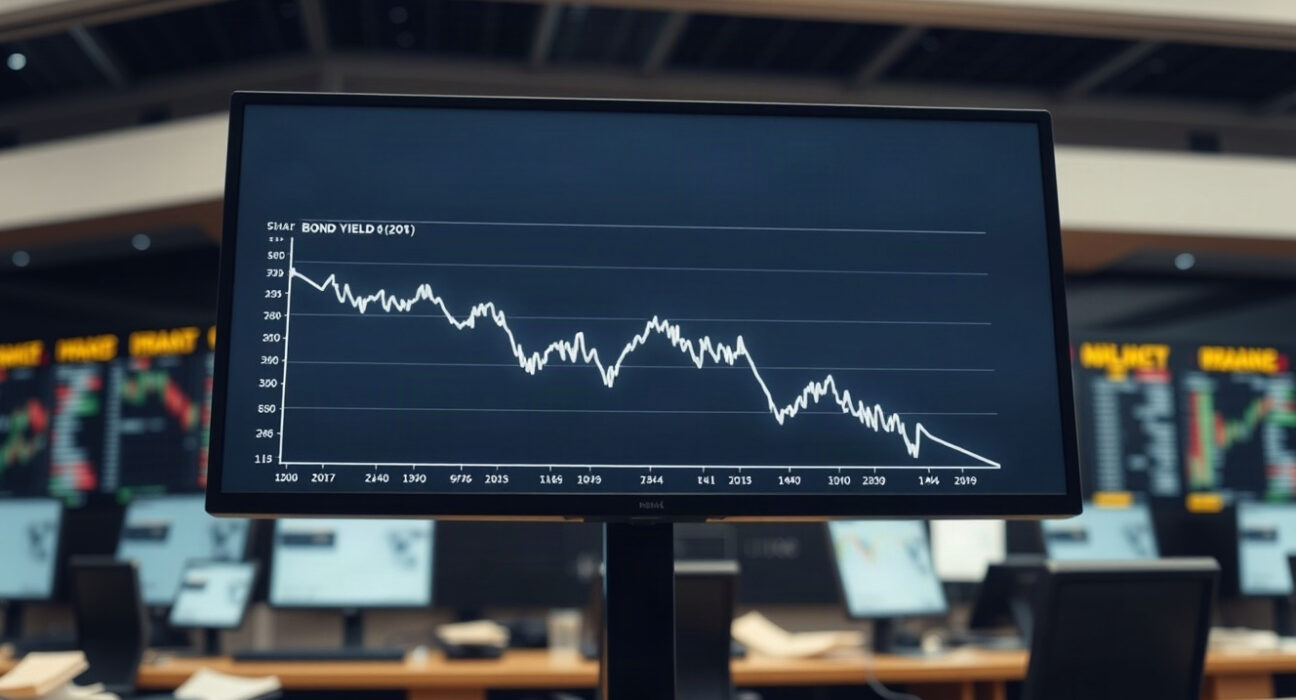
Strategists at ING believe the risk of a sustained rise in long-end US Treasury yields is contained, as of the latest market analysis.
What is Driving ING’s View on Long-End Yields?
The assessment is based on a combination of factors that are likely to keep a lid on longer-dated borrowing costs. Key among these is the expectation that the Federal Reserve’s policy path is largely priced in by the market. With the central bank’s next moves widely anticipated, the potential for a significant repricing in the short end of the curve, which often spills over to the long end, appears limited.
Furthermore, the term premium—the extra compensation investors demand for holding longer-term securities—is seen as staying contained. This is partly due to structural demand for US debt from domestic and international investors, which provides a steady bid for these securities.
Market Context and Implications for Investors
This analysis comes during a period of heightened focus on government debt levels and fiscal deficits. While these are long-term concerns that can influence yields, ING’s perspective suggests that in the near term, the market has found a level of equilibrium. For investors, this implies that a significant back-up in long-end yields may not be the primary risk, potentially offering some stability for fixed-income portfolios.
The view also reflects a broader market consensus that the next major move in yields will be driven by incoming economic data, particularly inflation reports, rather than policy surprises.
Why This Matters for the Broader Economy
Stable long-end yields are crucial for the economy as they influence mortgage rates, corporate borrowing costs, and the overall financial conditions. If ING’s assessment is correct, it suggests that these costs are less likely to spike, providing a more predictable environment for businesses and consumers planning long-term financial decisions.
Conclusion
In summary, ING’s analysis points to a period of relative stability for long-dated US Treasury yields, barring any unexpected economic shocks. The combination of a fully-priced Fed and contained term premium forms the basis of this view, offering a measure of predictability for financial markets.
FAQs
Q1: What are long-end Treasury yields?
Long-end Treasury yields refer to the interest rates on US government bonds with longer maturities, typically 10-year and 30-year notes. They are a key benchmark for many other interest rates in the economy.
Q2: Why does ING believe yield risks are contained?
ING suggests that the market has already priced in the Federal Reserve’s expected policy moves, and the term premium is likely to stay low due to steady demand for US debt. This limits the potential for a significant rise in long-term yields.
Q3: What could change this outlook?
A significant surprise in economic data, such as a sudden spike in inflation, or a major fiscal policy shift that alters the supply of government debt, could lead to a reassessment and put upward pressure on long-end yields.
Disclaimer: The information provided is not trading advice, Bitcoinworld.co.in holds no liability for any investments made based on the information provided on this page. We strongly recommend independent research and/or consultation with a qualified professional before making any investment decisions.
