
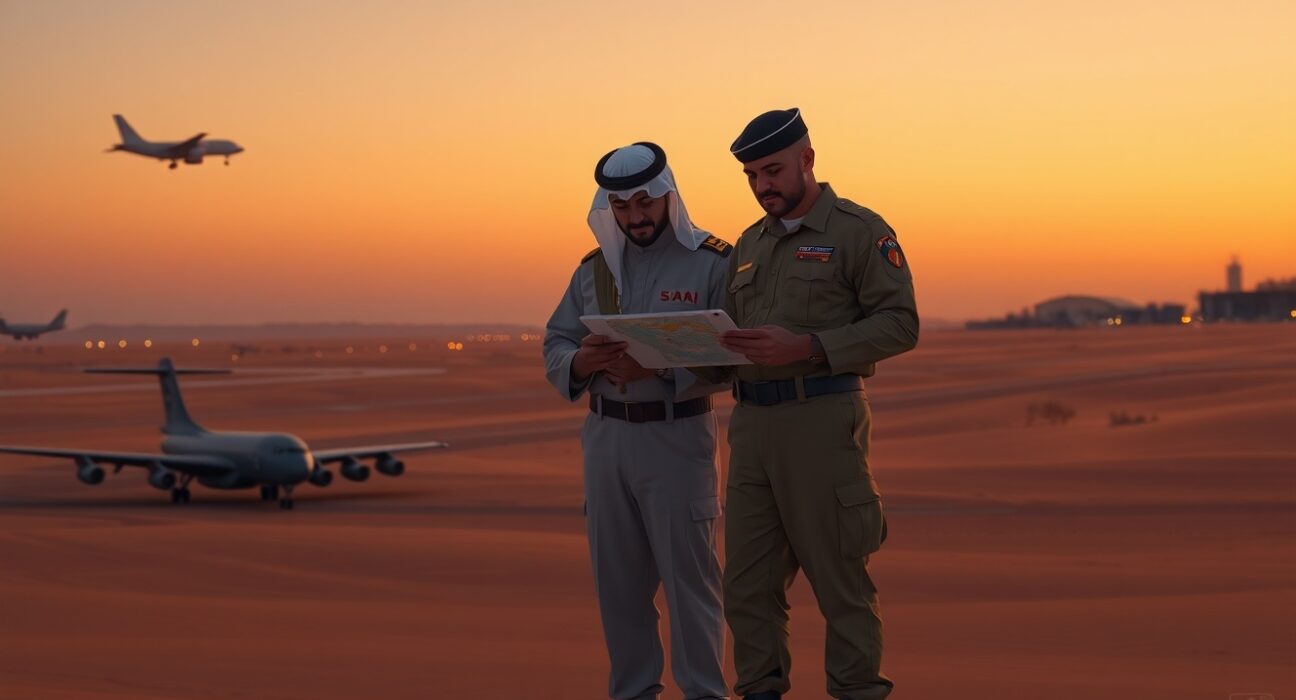
RIYADH, Saudi Arabia — March 2025 — Saudi Arabia and the United Arab Emirates are significantly accelerating military preparations for potential conflict with Iran, according to multiple intelligence sources and regional analysts. This strategic shift represents a critical development in Middle Eastern geopolitics as both Gulf nations respond to what they perceive as direct threats to their economic stability and national security. The escalating preparations follow months of heightened tensions across the region, particularly involving Iranian proxy forces and nuclear program advancements.
Saudi Arabia and UAE Military Strategy Evolution
Recent reports from The Wall Street Journal, cited by The Times of Israel, indicate both nations have adopted a markedly more active military posture. This transformation began when Saudi Arabia and the UAE permitted expanded U.S. military access to their airbases. Consequently, this decision has facilitated enhanced logistical capabilities for potential operations. Military analysts note that Saudi Arabia’s potential intervention now appears increasingly likely, with sources suggesting it’s becoming “a matter of time” rather than possibility.
However, Gulf state leaders remain deeply concerned about triggering a larger, uncontrollable regional war. Therefore, they have not yet launched direct attacks against Iranian territory. Instead, their preparations focus on defensive capabilities and rapid response mechanisms. The strategic calculus involves balancing deterrence with escalation management, a delicate equation that requires precise military and diplomatic coordination.
Economic Motivations Behind Military Preparations
The widening Middle East conflict poses direct threats to both nations’ economies, particularly their energy sectors and infrastructure projects. Saudi Arabia’s Vision 2030 economic transformation plan depends heavily on regional stability. Similarly, the UAE’s position as a global trade and tourism hub requires secure maritime routes through the Persian Gulf. Recent attacks on commercial shipping have demonstrated the vulnerability of these economic arteries.
Key economic concerns driving military preparations include:
- Oil infrastructure protection: Both nations possess critical oil production and export facilities
- Maritime security: The Strait of Hormuz handles approximately 20% of global oil shipments
- Foreign investment confidence: Regional instability directly impacts international investment decisions
- Tourism sector vulnerability: The UAE’s tourism economy requires perceived safety
Expert Analysis: Regional Power Dynamics
Regional security experts emphasize that Saudi and UAE preparations reflect broader strategic realignments. Dr. Amina Al-Jaber, a Middle East security analyst at the Gulf Research Center, explains: “The Gulf Cooperation Council states have increasingly recognized that they cannot rely exclusively on external security guarantees. Their accelerated preparations represent a pragmatic response to evolving regional threats and changing U.S. strategic priorities.”
This assessment aligns with observable military developments. Both nations have significantly increased defense spending and diversified their weapons procurement. Additionally, they have enhanced joint military exercises and intelligence sharing mechanisms. The table below illustrates recent defense expenditure trends:
| Country | 2023 Defense Budget | 2024 Defense Budget | Percentage Increase |
|---|---|---|---|
| Saudi Arabia | $69.4 billion | $75.8 billion | 9.2% |
| United Arab Emirates | $22.8 billion | $24.7 billion | 8.3% |
Historical Context and Diplomatic Background
The current tensions have deep historical roots in regional power competition. Saudi Arabia and Iran have engaged in proxy conflicts across the Middle East for decades. These conflicts have manifested in Yemen, Syria, Lebanon, and Iraq. The UAE, while historically maintaining more pragmatic relations with Iran, has increasingly aligned with Saudi security concerns. This alignment intensified following attacks on UAE shipping and infrastructure that were attributed to Iranian-backed groups.
Diplomatic efforts have proceeded alongside military preparations. Both nations have participated in regional dialogue initiatives. However, these talks have produced limited breakthroughs on core security issues. Consequently, military preparedness has become a parallel track to diplomacy. This dual-track approach reflects the complex security environment where negotiations continue while contingency planning accelerates.
Military Capabilities and Preparedness Levels
Saudi Arabia and the UAE possess some of the region’s most advanced military technologies. Their air forces feature modern fighter aircraft including F-15s, Eurofighter Typhoons, and F-16s. Both nations have invested heavily in missile defense systems, particularly Patriot and THAAD batteries. Naval capabilities have also expanded significantly, with both countries acquiring advanced corvettes and frigates.
Key preparedness measures reportedly include:
- Enhanced airbase readiness: Infrastructure improvements at strategic locations
- Logistical stockpiling: Increased reserves of munitions and spare parts
- Command and control upgrades: Improved coordination systems between services
- Cyber warfare capabilities: Enhanced defensive and offensive cyber operations
Intelligence Community Perspectives
Western intelligence assessments suggest that while preparations are accelerating, both nations remain cautious about direct confrontation. A senior NATO intelligence official, speaking on condition of anonymity, stated: “The Gulf states are preparing for multiple scenarios, including limited conflict, prolonged tension, and full-scale war. Their approach is methodical rather than impulsive, reflecting serious concerns about escalation dynamics.”
This cautious approach appears in their operational planning. Military exercises increasingly focus on defensive operations and rapid response to asymmetric threats. Additionally, both nations continue diplomatic outreach to regional partners and international organizations. This multidimensional strategy suggests recognition that military action alone cannot resolve underlying regional tensions.
Regional Reactions and International Response
Other Middle Eastern nations are closely monitoring these developments. Israel has expressed support for Gulf state preparedness while emphasizing the importance of coordinated action. Meanwhile, Qatar and Oman have called for renewed diplomatic efforts, reflecting their traditionally more neutral positions. Turkey has offered to mediate while continuing its own military modernization programs.
The international community has responded with mixed messages. The United States has reaffirmed security commitments to Gulf partners while urging restraint. European nations have emphasized diplomatic solutions and conflict prevention. China and Russia have called for regional dialogue while continuing economic and military cooperation with all parties. This complex international landscape adds layers of consideration to Saudi and UAE decision-making processes.
Conclusion
Saudi Arabia and the UAE are undeniably accelerating military preparations for potential conflict with Iran, driven by legitimate security concerns and economic vulnerabilities. Their approach combines enhanced military readiness with continued diplomatic engagement, reflecting the complex realities of Middle Eastern geopolitics. While the possibility of direct conflict remains concerning, current indications suggest both nations prioritize deterrence and defense over offensive action. The evolving situation requires careful monitoring as regional dynamics continue to shift, with the Saudi Arabia and UAE military preparations representing a significant factor in Middle Eastern security calculations for the foreseeable future.
FAQs
Q1: What specific military preparations are Saudi Arabia and the UAE undertaking?
Both nations are enhancing airbase infrastructure, increasing munitions stockpiles, upgrading command and control systems, conducting more frequent joint military exercises, and improving missile defense capabilities. They are also expanding intelligence sharing and cyber warfare preparedness.
Q2: Why are economic concerns driving military preparations?
Saudi Arabia’s Vision 2030 and the UAE’s position as a global trade hub depend on regional stability. Attacks on oil infrastructure and commercial shipping directly threaten their economies, making security preparedness an economic necessity as well as a military priority.
Q3: How does this situation affect global oil markets?
Increased tensions typically cause oil price volatility as markets react to potential supply disruptions. The Strait of Hormuz, through which approximately 20% of global oil shipments pass, represents a particular vulnerability that affects international energy security.
Q4: What role is the United States playing in these developments?
The U.S. maintains security commitments to Gulf partners and has increased military presence in the region. American officials are reportedly involved in coordination and intelligence sharing while simultaneously urging diplomatic solutions to regional tensions.
Q5: Are other Gulf Cooperation Council countries involved in these preparations?
While Saudi Arabia and the UAE are taking the lead, other GCC members are enhancing their own security measures. Bahrain and Kuwait have increased military readiness, while Qatar and Oman emphasize diplomatic approaches alongside defensive preparations.
Disclaimer: The information provided is not trading advice, Bitcoinworld.co.in holds no liability for any investments made based on the information provided on this page. We strongly recommend independent research and/or consultation with a qualified professional before making any investment decisions.