
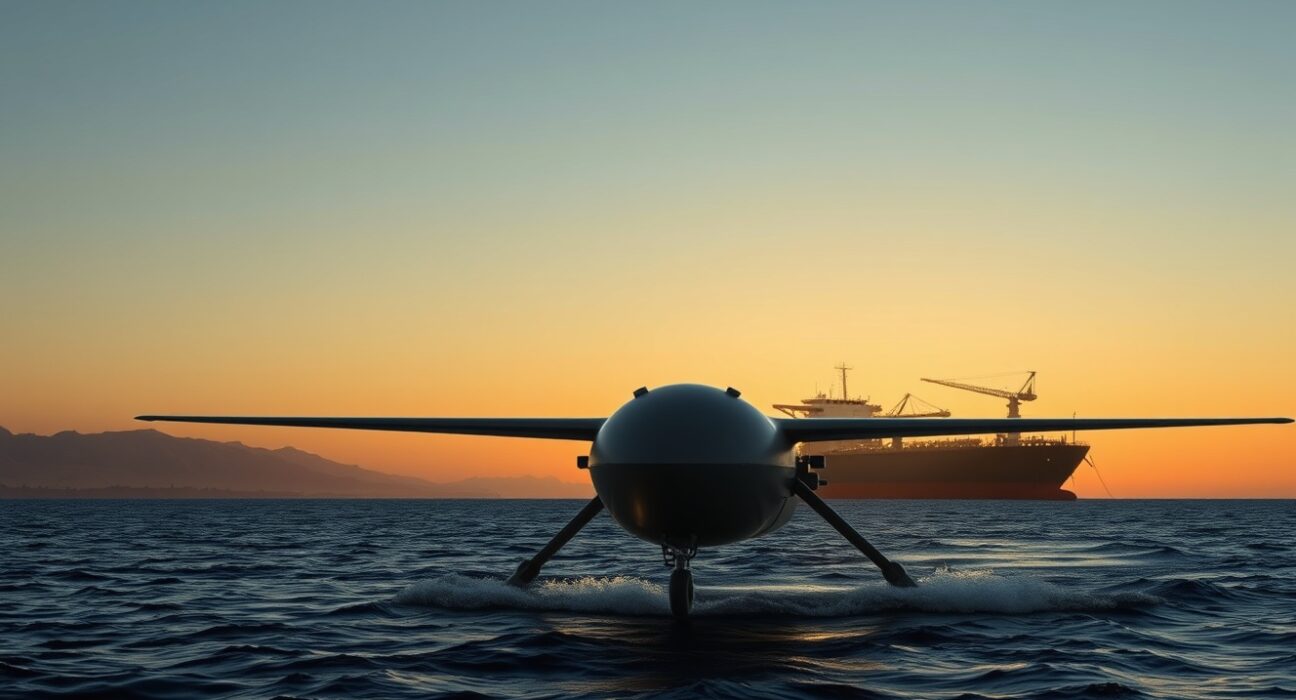
A new and unsettling chapter in maritime conflict has opened in the volatile waters of the Middle East. In recent months, a series of sophisticated attacks using unmanned surface vessels, commonly called sea drones, has targeted commercial oil tankers, dramatically widening the risks to global energy security. These incidents, concentrated around critical chokepoints like the Strait of Hormuz, represent a significant escalation in asymmetric warfare tactics. Consequently, they pose a direct threat to nearly 20% of the world’s seaborne oil trade that transits the region.
Sea Drones Emerge as a Primary Threat to Maritime Commerce
Unlike traditional naval mines or missile attacks, sea drones offer a low-cost, deniable, and highly precise method of harassment and sabotage. Naval intelligence analysts confirm these vessels are typically small, fast, and difficult to detect on radar. Furthermore, they can be operated remotely from great distances or programmed to navigate autonomously to specific coordinates. This technological shift fundamentally alters the risk calculus for commercial shipping. For instance, a single actor can now deploy multiple drones simultaneously, overwhelming traditional defensive measures. The table below outlines key differences between this new threat and older methods:
| Threat Vector | Sea Drone (USV) | Naval Mine | Anti-Ship Missile |
|---|---|---|---|
| Cost | Relatively Low | Low to Medium | Very High |
| Deniability | High | Medium | Low |
| Precision | High | Low | High |
| Defensive Counter | Complex | Established | Established |
Major shipping insurers have already noted a sharp increase in war risk premiums for vessels transiting the Red Sea and Persian Gulf. This financial pressure directly impacts consumer fuel prices worldwide. Therefore, the economic ramifications extend far beyond the immediate zone of conflict.
The Strategic Impact on Middle Eastern Oil Exports
The geography of the Middle East creates natural maritime bottlenecks. The Strait of Hormuz, in particular, is a linchpin for global energy flows. Any sustained disruption there would trigger immediate volatility in oil markets. Recent attacks have demonstrated a clear pattern of targeting vessels linked to specific nations, suggesting these are not random acts of piracy but calculated geopolitical signals. Energy analysts point to several immediate consequences:
- Rerouted Shipping: Some tanker companies are opting for longer, costlier routes around Africa.
- Increased Naval Presence: The United States and allied nations have bolstered patrols, raising the potential for direct military confrontation.
- Supply Chain Anxiety: Buyers in Asia and Europe are actively diversifying sources, impacting OPEC+ market influence.
This environment creates a persistent ‘security premium’ on oil prices. Moreover, it incentivizes investment in alternative energy sources, potentially accelerating the global energy transition.
Expert Analysis on Evolving Naval Warfare
Dr. Anya Petrova, a senior fellow at the Maritime Security Institute, explains the paradigm shift. “We are witnessing the democratization of naval power,” she states. “Non-state actors and smaller nations can now project force and create strategic disruption with tools that were once the exclusive domain of major navies. The defense against swarms of intelligent drones requires new technologies—like directed energy weapons and advanced electronic warfare suites—that most commercial vessels lack.” This expertise underscores the vulnerability of the current global fleet. Historical data from Lloyd’s List Intelligence shows a 300% year-on-year increase in reported drone-related incidents in the region, confirming the trend’s alarming trajectory.
Global Response and the Future of Shipping Security
The international response has been multifaceted but challenging to coordinate. Diplomatic efforts continue behind the scenes, while military task forces focus on interdiction and escort operations. However, the sheer size of the operating area makes complete security impossible. Consequently, the shipping industry itself is being forced to adapt rapidly. Key developments include:
- Enhanced onboard surveillance systems with drone-detection capabilities.
- Training crews in emergency procedures for drone sightings.
- Development of standardized best practices for transit in high-risk zones.
Looking ahead, the proliferation of this technology is inevitable. Similar drone threats are likely to emerge in other contested waterways, from the South China Sea to the Black Sea. The incident in the Middle East serves as a stark warning. Ultimately, it highlights the urgent need for new international norms governing the use of autonomous weapons systems in commercial sea lanes.
Conclusion
The use of sea drones against oil tankers marks a dangerous evolution in regional conflict, with direct implications for worldwide energy stability and maritime security. This low-cost, high-impact tactic successfully exploits the inherent vulnerabilities of global trade chokepoints. As the technology advances and diffuses, the challenge for governments, militaries, and the shipping industry will only intensify. Therefore, developing effective countermeasures and diplomatic frameworks is now a critical priority to safeguard the arteries of global commerce from this persistent and evolving threat.
FAQs
Q1: What exactly is a ‘sea drone’?
A sea drone, or Unmanned Surface Vessel (USV), is a remotely operated or autonomous boat. It can be used for surveillance, but weaponized versions carry explosives to collide with or detonate near target ships.
Q2: Why are oil tankers in the Middle East being targeted?
Oil tankers are targeted because they are high-value economic assets. Attacking them aims to inflict financial cost, create insurance chaos, and exert political pressure by threatening global energy supplies.
Q3: How do sea drone attacks differ from past attacks like those on the USS Cole?
The USS Cole attack in 2000 used a manned, explosive-laden small boat. Sea drones remove the human operator from the vessel, making attacks deniable and allowing for more complex, coordinated ‘swarm’ tactics without risk to personnel.
Q4: What can be done to protect ships from these drones?
Protection involves layered defense: naval patrols, onboard electronic jamming systems to disrupt drone controls, physical barriers, and, in extreme cases, directed energy weapons. However, no solution is yet 100% effective or affordable for all commercial vessels.
Q5: Could this lead to a wider war in the Middle East?
It increases the risk. A successful drone attack causing significant loss of life, a major oil spill, or the sinking of a vessel could trigger a severe military retaliation, potentially escalating into a broader regional conflict.
Disclaimer: The information provided is not trading advice, Bitcoinworld.co.in holds no liability for any investments made based on the information provided on this page. We strongly recommend independent research and/or consultation with a qualified professional before making any investment decisions.