
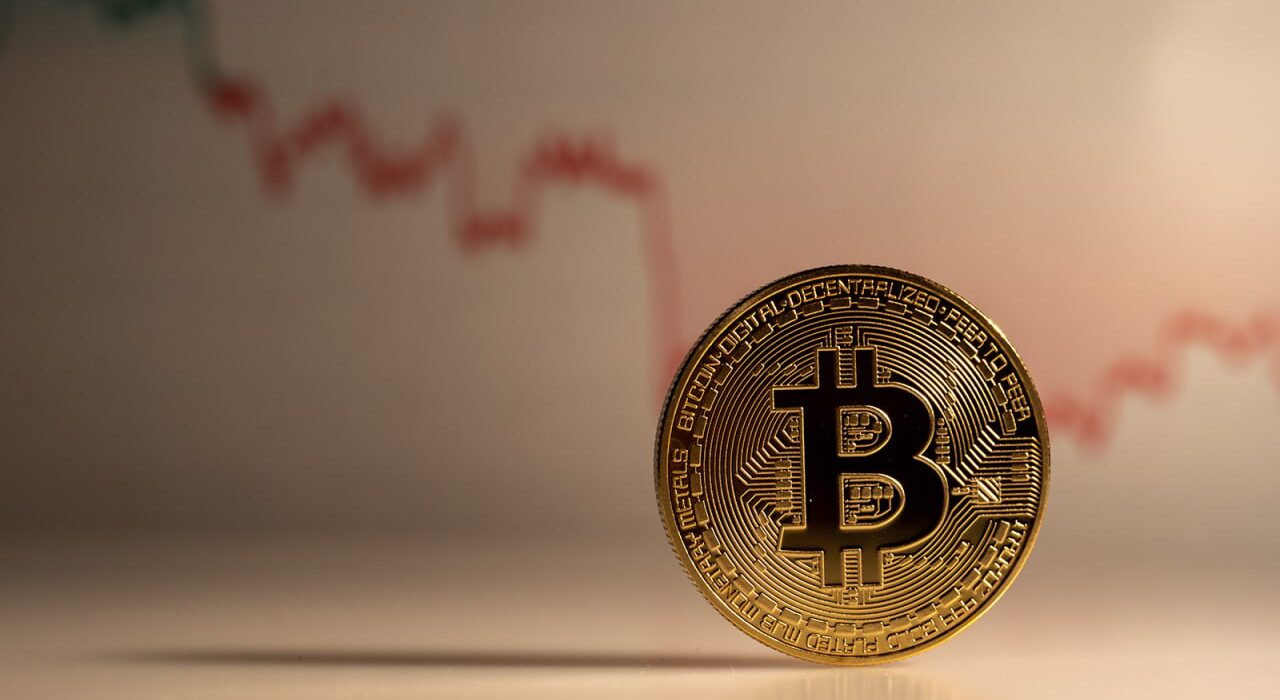
Bitcoin is trading near the upper five-figure range, recovering from recent corrections while maintaining long-term structural strength. After more than a decade of volatility, explosive rallies, and deep drawdowns, investors continue to ask the same question: Is now a good time to invest in Bitcoin?
The answer depends on two core factors: potential profitability and risk exposure.
Bitcoin’s Profitability Track Record
From a historical perspective, Bitcoin has been one of the best-performing assets of the past 15 years. Early adopters who invested even modest amounts saw exponential returns as BTC rose from cents in 2010 to tens of thousands of dollars today.
However, Bitcoin’s profitability has not been linear. The asset has experienced multiple drawdowns exceeding 70 percent, including major bear markets in 2014, 2018, and 2022. Each cycle tested investor conviction before eventually leading to new highs.
This boom-and-bust structure is critical to understand. Bitcoin has historically rewarded long-term holders, but only those able to withstand extreme volatility.
Using the Bitcoin Profit Calculator
One practical way to evaluate potential profitability is by using tools such as the CoinCodex Bitcoin Profit Calculator.
The calculator allows users to input an investment amount and a specific date to measure historical returns. It can also model hypothetical future scenarios based on projected prices.
For example, investors can compare how $1,000 invested during previous market peaks or corrections would have performed. This provides perspective on how entry timing affects outcomes.
While past performance does not guarantee future gains, analyzing historical cycles helps investors understand Bitcoin’s asymmetric upside potential relative to its volatility.
Understanding the Risks
Before investing, it’s essential to recognize Bitcoin’s primary risks:
1. Price Volatility
Bitcoin frequently moves 5 to 10 percent in a single day. Larger macro events can trigger double-digit weekly swings.
2. Regulatory Uncertainty
Government policy changes, ETF developments, and taxation frameworks can influence demand and sentiment.
3. Market Structure Shifts
Leverage, derivatives positioning, and institutional flows increasingly shape short-term price movements.
4. Psychological Pressure
Large drawdowns often cause panic selling. Many investors exit at losses during downturns, only to watch prices recover later.
Bitcoin is not a stable asset. It is a high-volatility, high-conviction investment.
Alternative Strategies: Earning Yield Instead of Trading
Not every crypto investor seeks price appreciation alone. Some choose to generate yield on their holdings through crypto savings products.
Platforms offering crypto savings accounts allow users to earn interest on idle assets, either through lending, staking, or structured products. These accounts function differently from traditional bank savings products and carry platform and counterparty risks, but they provide an alternative way to generate returns beyond price speculation.
Yield-based strategies may appeal to long-term holders who prefer earning passive returns while waiting for potential price appreciation.
Is Bitcoin a Good Investment Right Now?
The decision ultimately depends on your:
- Time horizon
- Risk tolerance
- Portfolio diversification
- Conviction in Bitcoin’s long-term thesis
Historically, Bitcoin has delivered strong returns over multi-year horizons. However, short-term timing remains unpredictable. Buying near cycle tops has historically required patience to recover, while buying during corrections has often improved long-term profitability.
Investors should view Bitcoin as a high-volatility asset with asymmetric upside potential. Position sizing, diversification, and realistic expectations are critical.
Disclaimer: The information provided is not trading advice, Bitcoinworld.co.in holds no liability for any investments made based on the information provided on this page. We strongly recommend independent research and/or consultation with a qualified professional before making any investment decisions.