

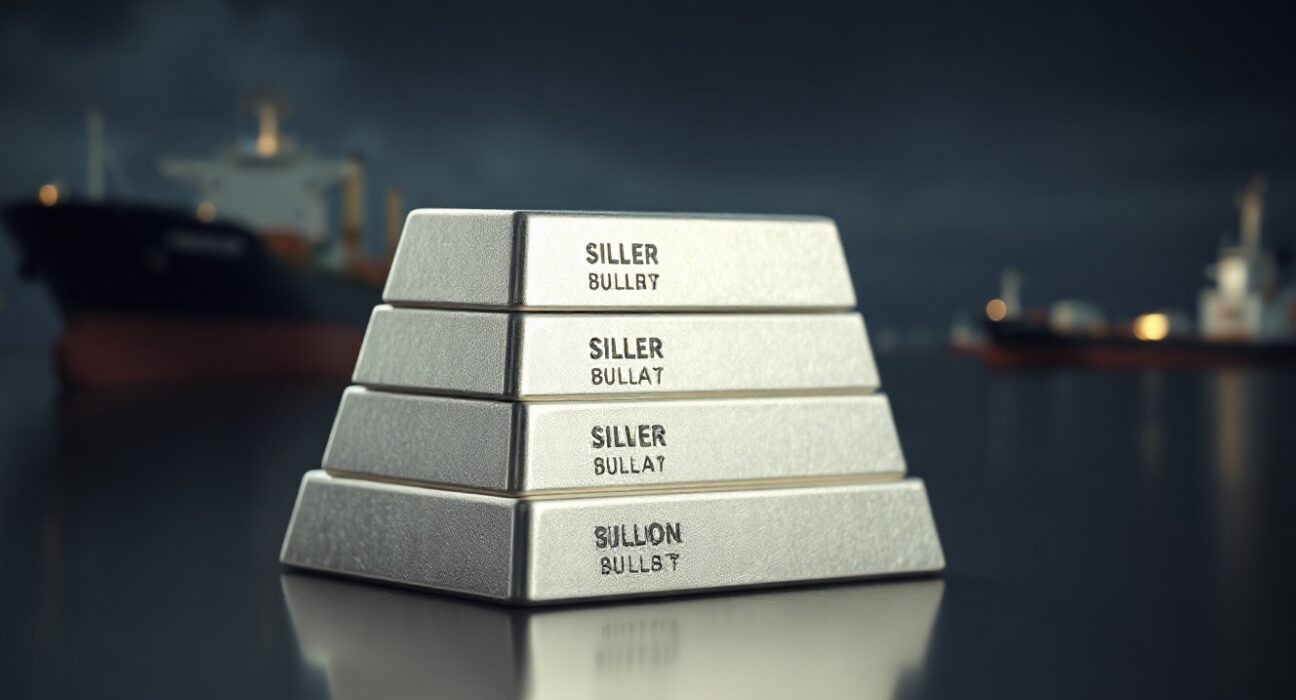
Silver prices moved higher on [Date], as market participants assessed the potential reopening of the Strait of Hormuz and its implications for global supply chains and safe-haven demand.
The advance comes amid shifting geopolitical signals, with traders balancing the prospect of eased tensions against persistent macroeconomic uncertainties. While the precise magnitude of the move was not specified, the upward bias reflects renewed interest in precious metals as a hedge against volatility.
Geopolitical Context and Supply Chain Impact
The Strait of Hormuz, a critical chokepoint for global energy and commodity flows, has been at the center of recent tensions. Hopes for its reopening have been fueled by diplomatic signals and negotiations, which could restore normal shipping routes and reduce supply disruption premiums.
For silver, which is both an industrial metal and a monetary asset, the reopening would likely ease supply chain bottlenecks that have supported prices. However, the market remains cautious, as any setback in negotiations could quickly reverse sentiment.
Market Drivers and Investor Sentiment
Silver’s dual role as an industrial input and a safe-haven asset makes it particularly sensitive to geopolitical developments. In recent weeks, investors have closely monitored the situation in the Middle East, alongside broader concerns about inflation and central bank policies.
Analysts note that while a reopening could reduce risk premiums, it may also diminish the urgency for safe-haven buying. Yet, the metal’s industrial demand—particularly from solar panel manufacturing and electronics—continues to provide underlying support.
Why This Matters for Investors
For market participants, the direction of silver prices will depend on the concrete outcomes of Hormuz negotiations and their impact on global trade flows. A successful reopening could signal a broader de-escalation, potentially pressuring prices in the short term. Conversely, a failure to reach an agreement could reinforce silver’s appeal as a defensive asset.
As of now, the market is pricing in a cautious optimism, with silver’s advance reflecting a balance between risk-on and risk-off sentiment.
Conclusion
Silver’s recent uptick underscores the metal’s sensitivity to geopolitical headlines and its role as a barometer for investor risk appetite. While hopes for a Hormuz reopening provide a supportive narrative, the market remains alert to the fragility of the situation. Traders and analysts alike will be watching for concrete diplomatic progress and its ripple effects on commodity markets.
FAQs
Q1: Why is the Strait of Hormuz important for silver prices?
The Strait of Hormuz is a vital route for global energy and commodity shipments. Disruptions there can affect supply chains and increase risk premiums, influencing silver prices due to its industrial and safe-haven demand.
Q2: How does geopolitical tension typically affect silver?
Geopolitical tension often boosts demand for safe-haven assets like silver, as investors seek stability. Conversely, easing tensions can reduce this demand, potentially weighing on prices.
Q3: What other factors are currently influencing silver prices?
Beyond geopolitics, silver is influenced by industrial demand, inflation expectations, central bank policies, and movements in the US dollar. These factors collectively shape investor sentiment and price trends.
Disclaimer: The information provided is not trading advice, Bitcoinworld.co.in holds no liability for any investments made based on the information provided on this page. We strongly recommend independent research and/or consultation with a qualified professional before making any investment decisions.
