
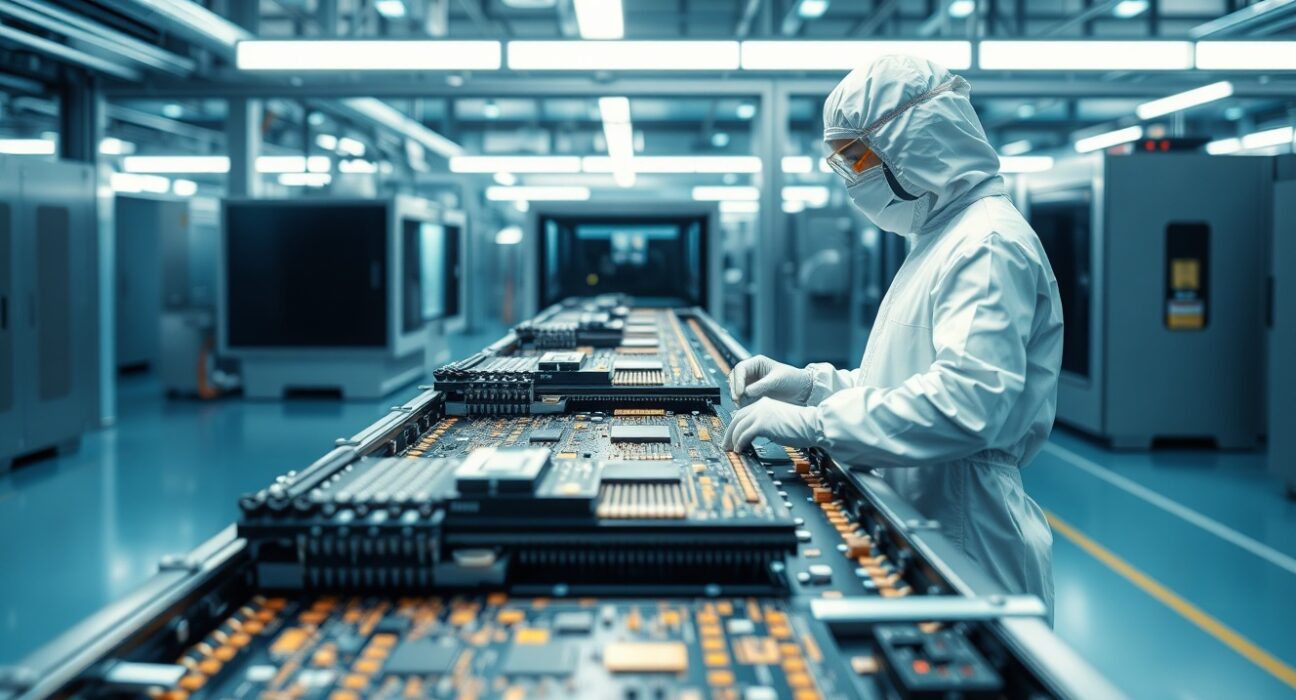
Singapore’s non-oil domestic exports (NODX) have surged, marking a significant turnaround driven primarily by a robust global electronics cycle, according to a recent analysis by DBS Bank. This development, observed in early 2025, signals a pivotal shift for the trade-reliant nation’s economy. Consequently, economists are closely monitoring the sustainability of this uptrend and its broader implications for regional supply chains and global demand.
Singapore Exports Rebound on Electronics Demand
The latest trade data reveals a strong performance for Singapore’s export sector. Specifically, electronics shipments have led the charge. This category includes integrated circuits, disk media products, and personal computer parts. For instance, exports of integrated circuits, a critical component in everything from smartphones to automobiles, have shown particularly strong growth. This uptick aligns with a broader global recovery in semiconductor demand after a period of inventory correction.
DBS economists attribute this surge to several key factors. Firstly, a cyclical recovery in the global technology sector is underway. Secondly, increased investment in artificial intelligence infrastructure worldwide is fueling demand for high-performance chips. Thirdly, restocking activities across global supply chains are contributing to the momentum. The bank’s report provides a detailed breakdown of month-on-month and year-on-year growth figures, highlighting the sector’s renewed vigor.
Analyzing the Global Electronics Cycle
The term “electronics cycle” refers to the periodic fluctuations in supply and demand within the global technology hardware industry. These cycles typically last several years. Currently, the industry appears to be in an expansionary phase. This phase follows a downturn characterized by excess inventory and softening consumer demand for devices like laptops and smartphones. The new cycle is being driven by emerging technologies.
- AI and Data Centers: Massive investment in AI infrastructure requires advanced semiconductors.
- Electric Vehicles (EVs): Modern EVs incorporate significantly more electronics than traditional vehicles.
- Industrial Automation: Smart manufacturing and Industry 4.0 initiatives rely on sensors and controllers.
- 5G Expansion: Continued rollout of 5G networks necessitates new telecommunications equipment.
Singapore, as a major hub for electronics manufacturing and a key node in the global supply chain, is positioned to benefit directly from these macro trends. The nation’s exports serve as a reliable barometer for regional and global tech health.
The DBS Perspective and Economic Context
DBS Bank, one of Southeast Asia’s largest financial institutions, regularly publishes economic research based on official data from Enterprise Singapore. Their analysis goes beyond headline numbers. It examines product-level trends, destination markets, and leading indicators. The bank’s researchers emphasize that while the electronics cycle is a primary driver, other export segments also contribute to stability.
For example, pharmaceuticals and specialized chemicals have shown resilience. However, their growth trajectories are less cyclical than electronics. The following table contrasts the recent performance of key export sectors:
| Export Sector | Primary Driver | Growth Characteristic |
|---|---|---|
| Electronics | Global Tech Cycle | High Growth, Cyclical |
| Pharmaceuticals | Production Volumes & New Products | Moderate Growth, Less Cyclical |
| Chemicals | Regional Industrial Demand | Stable, Tied to Broader Industry |
This diversification helps mitigate risk for Singapore’s economy. Nevertheless, the sheer scale of the electronics sector means its performance disproportionately impacts overall trade figures. The current cycle’s strength suggests positive spillover effects into related services like logistics and finance.
Impacts on Singapore’s Broader Economy
A sustained export recovery has significant downstream effects. Firstly, it boosts manufacturing output and industrial production indices. Secondly, it supports employment in the precision engineering and advanced manufacturing sectors. Thirdly, it improves the country’s current account balance. Strong exports translate into higher national income and increased government revenue through corporate taxes and other levies.
Furthermore, the Monetary Authority of Singapore (MAS), the nation’s central bank, monitors trade performance closely. Robust external demand can influence monetary policy settings, particularly those related to the exchange rate, which is MAS’s primary policy tool. A healthy export sector provides policymakers with greater flexibility to manage inflation and support sustainable economic growth.
However, analysts also caution about potential headwinds. Geopolitical tensions, supply chain disruptions, and a sharper-than-expected slowdown in major economies like China, the United States, and the European Union could dampen the cycle. The durability of the recovery will depend on the strength of end-user demand for finished products containing Singapore-made components.
Conclusion
The resurgence in Singapore exports, powered by the global electronics cycle, marks a positive development for the city-state’s economy in 2025. DBS analysis underscores the cyclical nature of this growth, linking it directly to worldwide technological investment and demand. While non-electronics sectors provide stability, the performance of tech shipments remains a critical watchpoint for economists, businesses, and policymakers. The coming quarters will be crucial for determining whether this export boost represents a short-term spike or the beginning of a more durable expansion phase for Singapore’s trade-dependent economy.
FAQs
Q1: What exactly is the “electronics cycle” mentioned in the article?
The electronics cycle refers to the recurring pattern of boom and bust in the global technology hardware industry. It is driven by factors like product innovation, inventory levels, corporate investment cycles, and consumer demand for devices like phones and computers.
Q2: Which specific electronics products are driving Singapore’s export growth?
Key products include integrated circuits (semiconductors), disk media products, and parts for personal computers and data processing equipment. Integrated circuits, essential for all modern electronics, are typically the largest contributor.
Q3: How does strong export performance benefit the average person in Singapore?
Strong exports support economic growth, which can lead to job creation and stability in manufacturing and related service sectors. It also contributes to national income, which can fund public services and infrastructure, and provides the government with more fiscal flexibility.
Q4: Are Singapore’s exports only going to Western countries?
No, Singapore’s exports are highly diversified. Major destinations include China, Hong Kong, Malaysia, the United States, and the European Union. The regional Asian market is a significant and growing destination for its electronics and other goods.
Q5: What are the main risks to this export recovery?
Primary risks include a global economic slowdown reducing demand, escalating geopolitical tensions disrupting supply chains, a rapid inventory build-up leading to another correction, and increased competition from other manufacturing hubs.
Disclaimer: The information provided is not trading advice, Bitcoinworld.co.in holds no liability for any investments made based on the information provided on this page. We strongly recommend independent research and/or consultation with a qualified professional before making any investment decisions.