

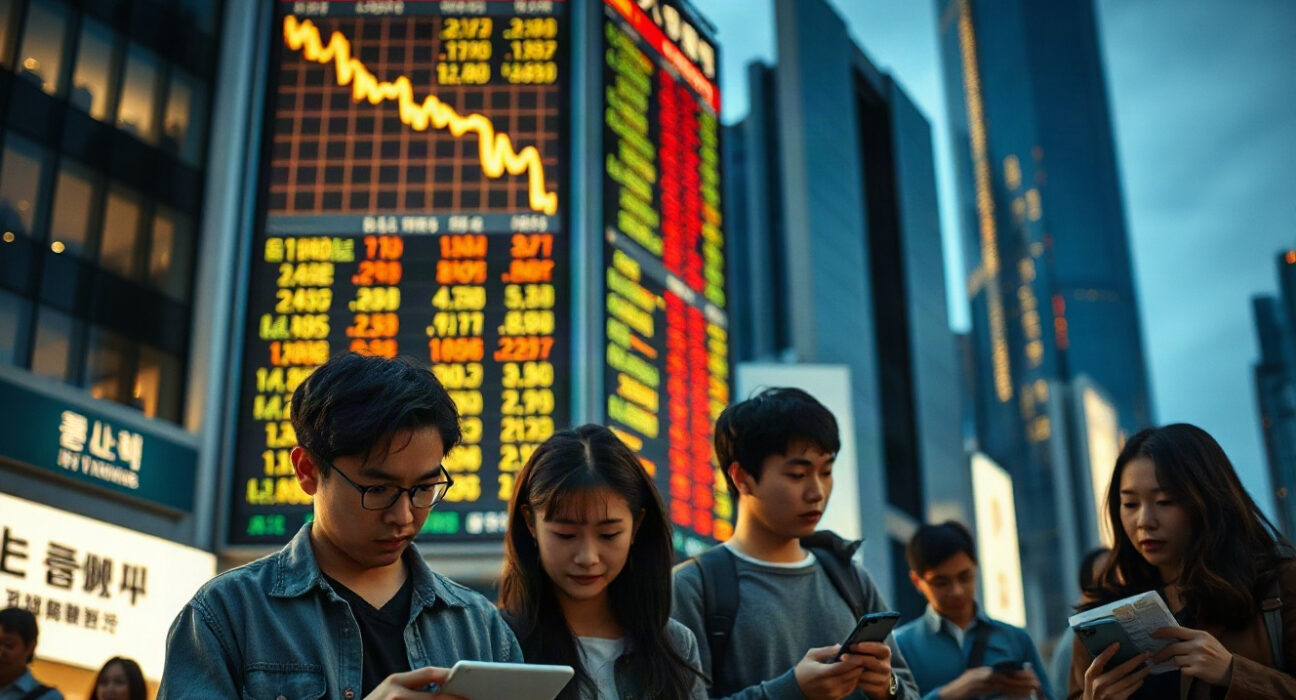
South Korea’s five largest won-based cryptocurrency exchanges have collectively listed more than 1,200 altcoins over the past three years, but have also delisted hundreds of them, raising concerns about growing investor losses, according to a new report from Hankyung Business.
The data, submitted by lawmaker Park Sung-hoon of the ruling People Power Party to the National Policy Committee, shows that Upbit, Bithumb, Coinone, Korbit, and GOPAX newly listed a combined 1,236 altcoins from 2022 through the end of July this year. Over the same period, they ended trading support for 430 altcoins.
Delisting ratios vary sharply across exchanges
The delisting ratio—the share of newly listed altcoins that were later removed—varies significantly among the five platforms. GOPAX had the highest ratio, delisting 67 of the 106 altcoins it had newly listed, or 63.2%. Coinone followed with a 46.6% ratio, while Bithumb recorded 31.5%, Korbit 20.3%, and Upbit 19.2%.
These figures indicate that a substantial portion of altcoins listed in recent years failed to maintain their trading status, often due to issues such as low liquidity, regulatory concerns, or project failures.
Why this matters for investors
The Hankyung Business report warns that if this pattern continues, exchanges may have an incentive to expand their tradable asset lists and trading volumes through new listings, while investors could bear increasing losses as problematic virtual assets are removed only after problems emerge.
For retail investors, the delisting of an altcoin can lead to sudden price drops and liquidity crunches, making it difficult to exit positions. The report highlights the need for more rigorous vetting of tokens before they are listed, as well as clearer delisting criteria to protect investors.
Regulatory and market implications
The findings come amid broader regulatory scrutiny of South Korea’s cryptocurrency market. Authorities have been working to establish clearer guidelines for token listings and delistings, partly in response to concerns about market manipulation and investor protection.
Exchanges have defended their practices, noting that delisting is often a necessary measure to maintain market integrity and comply with regulatory requirements. However, the high delisting ratios, especially at smaller exchanges like GOPAX, suggest that initial screening processes may not be sufficiently rigorous.
Conclusion
The data presented by lawmaker Park highlights a significant challenge for South Korea’s crypto market: balancing the desire for a wide range of tradable assets with the need to protect investors from the risks associated with low-quality or failing altcoins. As the market matures, exchanges and regulators will need to work together to establish more transparent and consistent listing and delisting standards.
FAQs
Q1: What is an altcoin delisting?
An altcoin delisting occurs when a cryptocurrency exchange removes a digital asset from its trading platform. This can happen for various reasons, including low trading volume, regulatory issues, or the project failing to meet the exchange’s standards. When a coin is delisted, investors may face difficulties selling their holdings, and the price often drops significantly.
Q2: How can investors protect themselves from delisting risks?
Investors can reduce delisting risks by researching the credibility of a coin’s project, its trading volume, and the exchange’s listing policies. Diversifying holdings and avoiding investments in obscure or low-liquidity altcoins can also help. Monitoring exchange announcements and regulatory updates is essential for staying informed.
Q3: What are the regulatory requirements for crypto exchanges in South Korea?
South Korean crypto exchanges must register with the Financial Services Commission (FSC) and comply with anti-money laundering (AML) and know-your-customer (KYC) regulations. They are also required to implement measures to protect investors, such as maintaining transparent listing and delisting procedures. Recent regulations have focused on strengthening these requirements to enhance market integrity.
Disclaimer: The information provided is not trading advice, Bitcoinworld.co.in holds no liability for any investments made based on the information provided on this page. We strongly recommend independent research and/or consultation with a qualified professional before making any investment decisions.
