

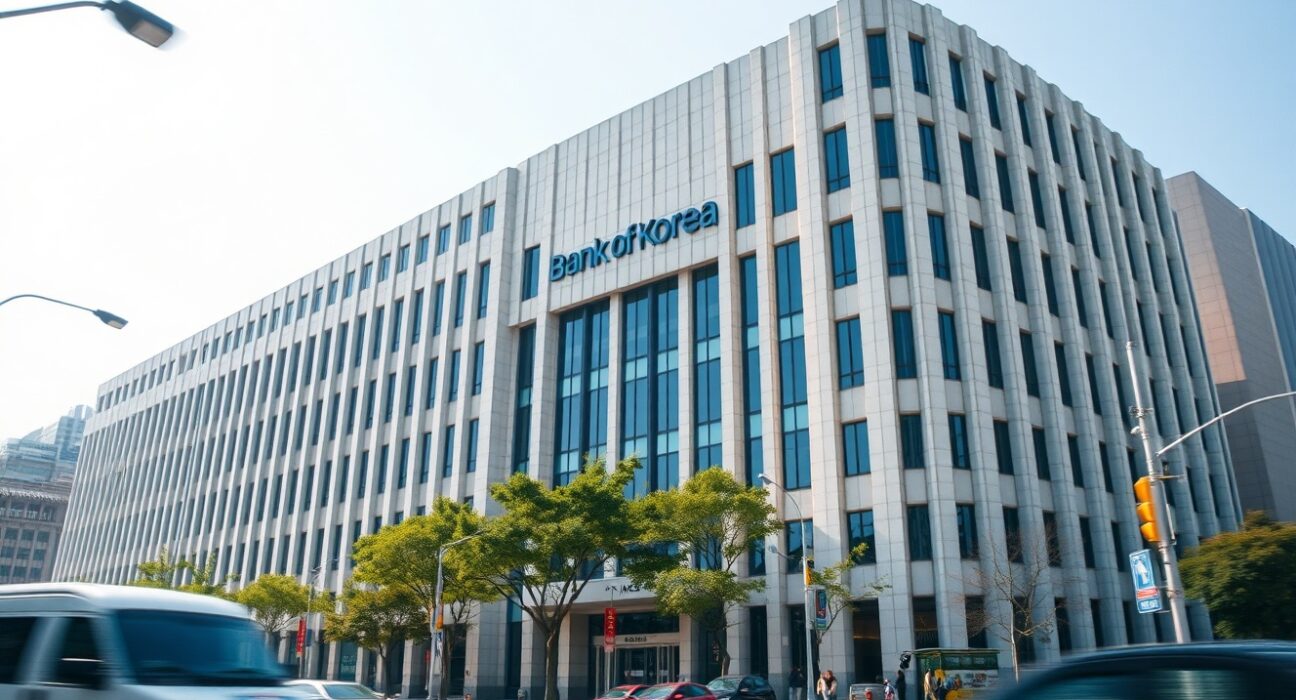
Singapore-based DBS Group Research has indicated that South Korea’s robust export performance and persistent inflationary pressures continue to support the case for further monetary policy tightening by the Bank of Korea (BOK). The assessment, released in a recent economic note, provides a data-driven perspective on the central bank’s likely path forward as it balances growth and price stability.
Exports Remain a Key Growth Driver
South Korea’s export sector has shown remarkable resilience, with outbound shipments of semiconductors, automobiles, and petrochemicals maintaining strong momentum. According to the DBS analysis, this sustained export strength is a critical factor underpinning the BOK’s hawkish stance. Strong external demand, particularly from key markets like the United States and China, has helped offset some domestic economic headwinds, providing the central bank with room to prioritize inflation control.
Inflation Pressures Persist
Despite some moderation in recent months, headline inflation in South Korea remains above the BOK’s target range of 2%. Core inflation, which strips out volatile food and energy prices, has also proven sticky, driven by rising service costs and wage pressures. The DBS report emphasizes that these persistent price pressures are a primary reason the central bank is unlikely to pivot to an easing cycle anytime soon. The analyst noted that the BOK’s focus will remain on ensuring inflation expectations remain anchored.
Implications for Borrowers and Businesses
For South Korean households and businesses, the prospect of additional rate hikes translates into continued higher borrowing costs. Mortgage holders, in particular, face increased financial strain, while companies may see higher financing costs for expansion. However, the DBS analysis suggests that the export-driven nature of the economy provides a buffer, as strong corporate earnings in key sectors can help absorb some of the impact. The path forward hinges on upcoming inflation data and the BOK’s quarterly economic outlook.
Conclusion
The DBS analysis reinforces the view that the Bank of Korea’s tightening cycle is not yet over. The combination of strong export growth and stubborn inflation creates a compelling case for further rate increases, even as global economic uncertainties persist. Investors and market participants should monitor upcoming BOK meetings and key economic indicators for clearer signals on the timing and magnitude of future moves.
FAQs
Q1: What is the Bank of Korea’s current interest rate?
The Bank of Korea’s base rate is currently at 3.50%, following a series of hikes that began in late 2021.
Q2: How do South Korea’s exports influence the rate decision?
Strong export performance supports economic growth, giving the BOK more confidence to raise rates to combat inflation without derailing the economy.
Q3: What are the main risks to the BOK’s rate hike path?
Key risks include a sharper-than-expected global economic slowdown, a sudden drop in export demand, or a significant cooling of the domestic housing market.
Disclaimer: The information provided is not trading advice, Bitcoinworld.co.in holds no liability for any investments made based on the information provided on this page. We strongly recommend independent research and/or consultation with a qualified professional before making any investment decisions.
