

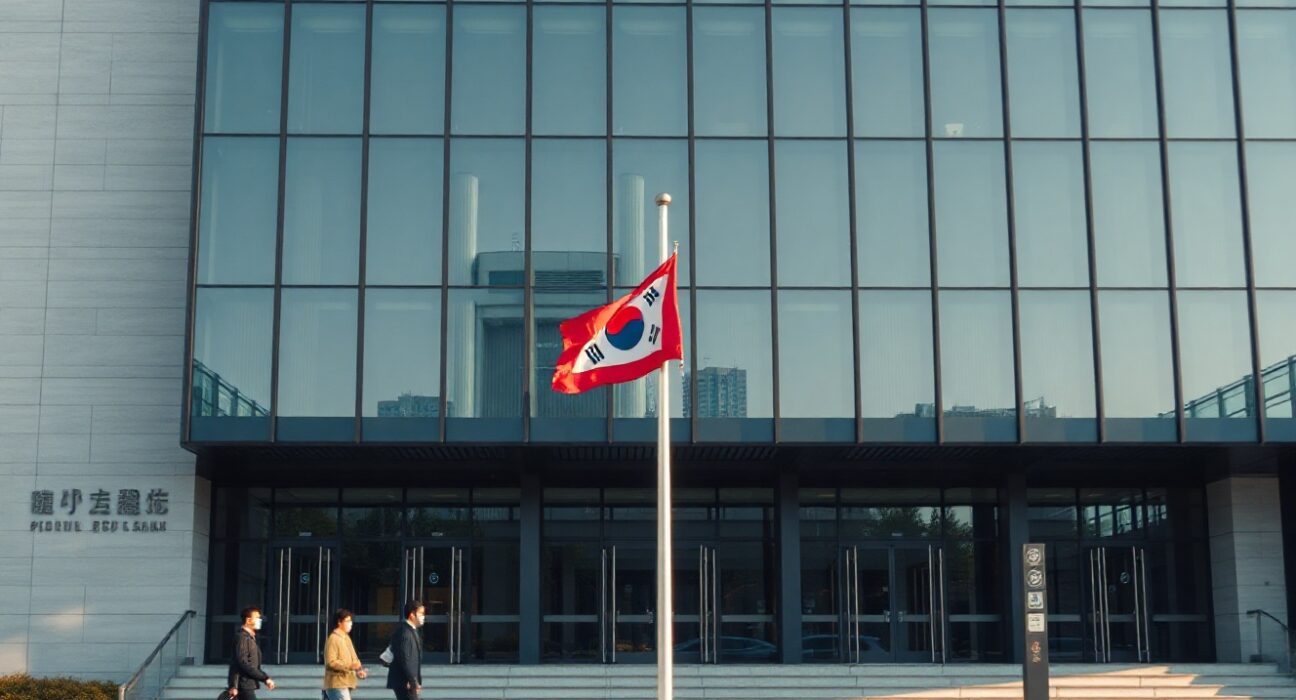
South Korea’s Financial Intelligence Unit (FIU) has clarified that virtual asset service providers (VASPs) may face administrative delisting even after completing the registration process if they charge listing fees in exchange for token listings. The clarification, reported by Digital Asset, specifies that receiving money or other benefits through improper means in connection with operations—such as charging a listing fee—can be grounds for deregistration.
Regulatory Context and Legal Basis
The FIU’s position is rooted in the Specific Financial Information Act, which governs the registration and supervision of VASPs in South Korea. The provision was reportedly added to the FIU’s regulatory manual in July 2024 through the legislative process, indicating a deliberate effort to curb potential conflicts of interest in the crypto listing process.
Under the Act, businesses that acquire funds or assets to give to others—or receive them improperly—may be subject to administrative action. The FIU’s example of listing fees as a trigger for delisting underscores the regulator’s focus on market integrity and investor protection.
Implications for Crypto Exchanges and Token Issuers
This clarification carries significant weight for South Korean crypto exchanges, which often face intense competition to list popular tokens. Charging listing fees has been a common practice in the global crypto industry, but the FIU’s stance signals a stricter regulatory environment in South Korea.
Exchanges now need to reassess their listing policies to ensure compliance. Token issuers, on the other hand, may find it more challenging to secure exchange listings without offering financial incentives, potentially shifting the dynamics of token distribution in the Korean market.
Why This Matters to the Crypto Industry
The FIU’s move is part of a broader regulatory trend in South Korea to enhance transparency and fairness in the digital asset market. By explicitly identifying listing fees as a potential violation, the regulator aims to prevent practices that could distort market competition or harm retail investors.
For businesses operating in South Korea, this serves as a clear warning that compliance with anti-corruption and fair-trade principles is non-negotiable. The FIU’s action also aligns with global efforts to bring crypto exchanges under stricter anti-money laundering (AML) and counter-terrorism financing (CTF) frameworks.
Conclusion
The FIU’s clarification that listing fees can lead to deregistration marks a notable development in South Korea’s crypto regulatory landscape. VASPs must now carefully review their business practices to avoid administrative penalties, while the industry as a whole watches how this policy will be enforced in practice.
FAQs
Q1: What does the FIU’s clarification mean for crypto exchanges in South Korea?
Exchanges that charge listing fees for token listings may face administrative delisting from the FIU registry, even if they are already registered. This requires exchanges to align their listing practices with the regulator’s expectations.
Q2: When was this provision introduced?
The provision was added to the FIU’s manual in July 2024 through the legislative process, as reported by Digital Asset.
Q3: Are there other grounds for deregistration under the FIU’s rules?
Yes, the FIU can deregister businesses that receive money or benefits through improper means in connection with their operations, or that acquire funds to give to others, beyond the specific example of listing fees.
Disclaimer: The information provided is not trading advice, Bitcoinworld.co.in holds no liability for any investments made based on the information provided on this page. We strongly recommend independent research and/or consultation with a qualified professional before making any investment decisions.
